


More news on this day
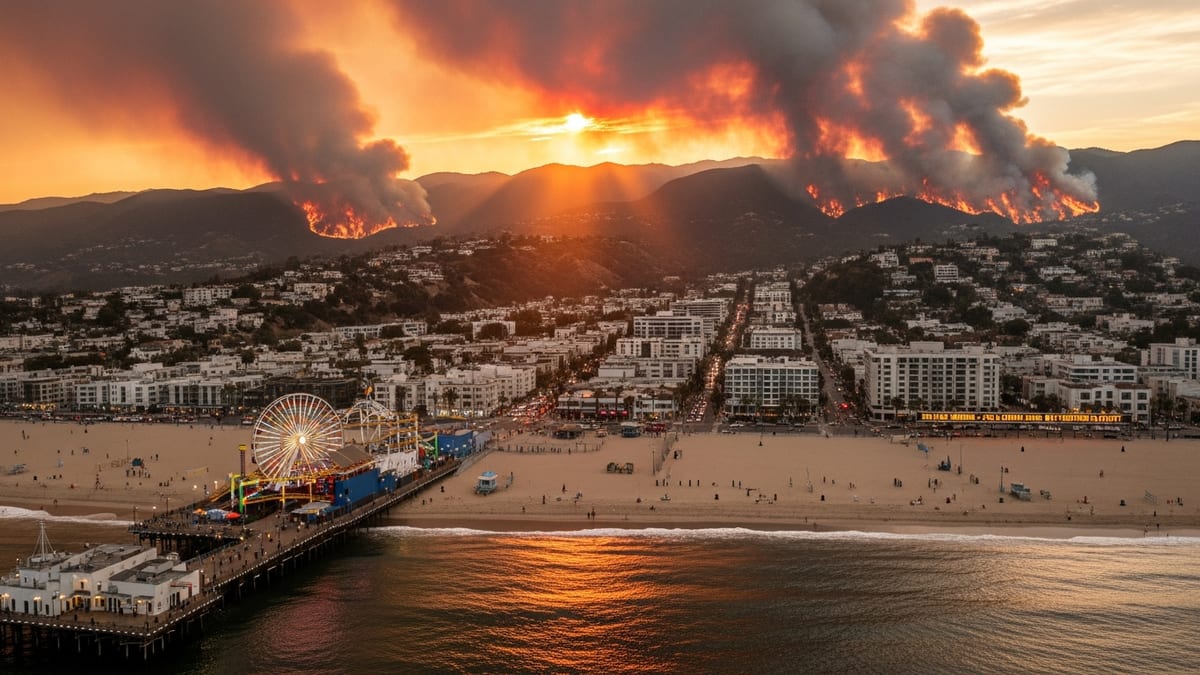
The UK Foreign, Commonwealth & Development Office (FCDO) has updated its travel advice to highlight heightened wildfire risks in popular Mediterranean destinations including Turkey, Italy and Cyprus, as searing summer temperatures and dry conditions raise the likelihood of fast-spreading blazes in resort areas.
Get the latest news straight to your inbox!
Fresh guidance as peak holiday season begins
The latest updates to the FCDO’s country pages for Turkey and Cyprus, published in mid July 2026, draw renewed attention to the impact of extreme heat and wildfire activity on tourism hotspots during the main UK school holiday period. The advice forms part of wider UK government messaging on overseas summer risks, which also stresses the importance of checking insurance cover before travel.
Publicly available information indicates that the revised guidance does not advise against travel to major Mediterranean resorts, but it does underline the possibility of rapidly changing local conditions as wildfire alerts are issued by national and regional authorities. Travellers are urged to follow instructions from local emergency services if fires break out near coastal resorts or rural holiday rentals.
In practice, the new wording means visitors are being asked to treat wildfire risk in the same way as other natural hazards, such as storms or flooding, that can disrupt journeys at short notice. The FCDO continues to remind travellers that going ahead with a trip in areas where official advice has shifted to “all but essential travel” can affect the validity of standard travel insurance policies.
According to recent UK government communications, the move comes alongside the publication of a new National Risk Register and health-focused guidance aimed at holidaymakers heading overseas this summer. Together, the measures reflect a broader effort to prepare British travellers for a season shaped by climate related disruption, from fires in southern Europe to heatwaves in other long haul destinations.
Turkey: coastal resorts on alert for fast moving fires
Turkey’s Aegean and Mediterranean coasts, which host some of the country’s most visited beach destinations, have seen repeated wildfire emergencies in recent summers. Open source reporting has documented large scale blazes in and around Izmir and other western provinces, with evacuations affecting both residents and tourists and smoke occasionally disrupting operations at regional airports.
The updated FCDO advice draws attention to the potential for fires to develop quickly in wooded areas close to hotels, campsites and holiday villas. Travellers are encouraged to monitor local news and municipal social media channels for alerts, as well as to familiarise themselves with evacuation routes from accommodation located near forests or hillside scrub.
Recent travel advisories also sit against a backdrop of separate security related cautions for parts of Turkey, including long standing guidance against travel to areas close to the Syrian border. While these security considerations are unrelated to wildfire risk, their coexistence on the same advisory pages reinforces the message that conditions can vary widely within the country and that itineraries should be planned with geography in mind.
Tourism operators in Turkey’s main resort belts have, in recent years, introduced additional contingency planning around fire season, including coordination with local fire services and the use of dedicated air and ground assets. Travellers booking rural retreats or self catering properties away from the main resort centres are being encouraged to check what emergency information and support is available on site.
Italy: dry conditions add pressure along the peninsula
Italy has experienced a succession of intense fire seasons, with previous years’ blazes affecting regions from Sicily and Calabria in the south to parts of Sardinia and central Italy. Media coverage in 2025 highlighted dozens of large incidents, with national authorities deploying aircraft and additional firefighting resources as persistent heat and wind complicated efforts to contain outbreaks.
While the UK’s core security advice for Italy broadly focuses on routine issues such as petty crime and transport disruption, the recent emphasis on wildfires reflects concern that another hot, dry summer could bring renewed pressure to tourist regions. British visitors often concentrate along coastal belts, islands and inland national parks where vegetation can become extremely dry by late July and August.
Travel coverage notes that regional civil protection agencies in Italy routinely publish wildfire risk bulletins, which can trigger park closures, restrictions on barbecues and bans on lighting fires in the open. The FCDO’s reminder encourages visitors to observe these restrictions closely and to avoid any activities that could accidentally spark a blaze, such as discarding cigarettes or parking vehicles on dry grass verges.
In addition, airlines and tour operators are being monitored by travellers for any schedule changes linked to smoke or fire fighting activity near airports. Previous seasons have shown that even short term closures or diversions can create knock on delays across holiday routes at the height of summer.
Cyprus: lessons from recent major wildfire seasons
Cyprus, another long standing favourite for UK holidaymakers, has also faced severe wildfire episodes in recent summers. European Union documents assessing disaster impacts have pointed to significant economic and environmental losses from recent fires in rural districts, including damage to agricultural land, olive groves and forest habitats.
Updates to the FCDO’s Cyprus advice in July 2026 reinforce the message that visitors should remain aware of local fire danger levels, particularly when driving through interior mountain roads or visiting villages surrounded by forest. Notices about open fire bans and restrictions on outdoor grilling are common across picnic sites and nature trails during periods of elevated risk.
Travel reporting indicates that accommodation providers in hillside and forest fringe locations have become more proactive in supplying guests with information on evacuation procedures and emergency contact numbers. British travellers booking such stays are advised to review this material on arrival, rather than assuming that fire risk is confined to remote, uninhabited areas.
Cyprus has also been affected by broader regional security tensions in 2026, but current travel advice differentiates clearly between wildfire related cautions and the separate geopolitical situation. For holidaymakers heading to beach resorts such as those around Paphos, Limassol and Larnaca, the most immediate seasonal concern remains the combination of extreme heat, strong winds and dry vegetation.
What UK travellers are being urged to do now
Across Turkey, Italy and Cyprus, the key message for UK travellers is to treat wildfire risk planning as a standard part of preparing for a Mediterranean holiday. That includes checking the latest FCDO country pages shortly before departure, ensuring that travel insurance covers disruption due to natural disasters, and signing up for travel advice email alerts where available.
Travel industry commentary also points to the value of basic on the ground precautions once in destination. These include keeping passports and essential medicines in an easily accessible place, noting emergency exits in hotels and apartments, and maintaining charged mobile phones with roaming enabled so that alerts and local updates can be received quickly.
Public information campaigns this summer are additionally highlighting the role visitors can play in reducing the likelihood of fires starting. Simple measures such as disposing of glass bottles responsibly, respecting local bans on open flames and avoiding off road driving in very dry areas are being promoted as practical steps that directly support local fire prevention efforts.
With schools in England, Scotland, Wales and Northern Ireland entering the main holiday period, millions of UK residents are expected to travel to Mediterranean destinations despite the elevated risks. The latest FCDO wildfire reminders are designed to ensure that those trips go ahead with greater awareness of the environmental conditions that can transform familiar sun and sea breaks into rapidly evolving emergency situations.