


More news on this day
Thick fog settled over Auckland early Tuesday, shrouding motorways and the city’s main airport, slowing the morning commute and disrupting at least 17 regional flights as visibility briefly dropped to less than a kilometre.
Get the latest news straight to your inbox!
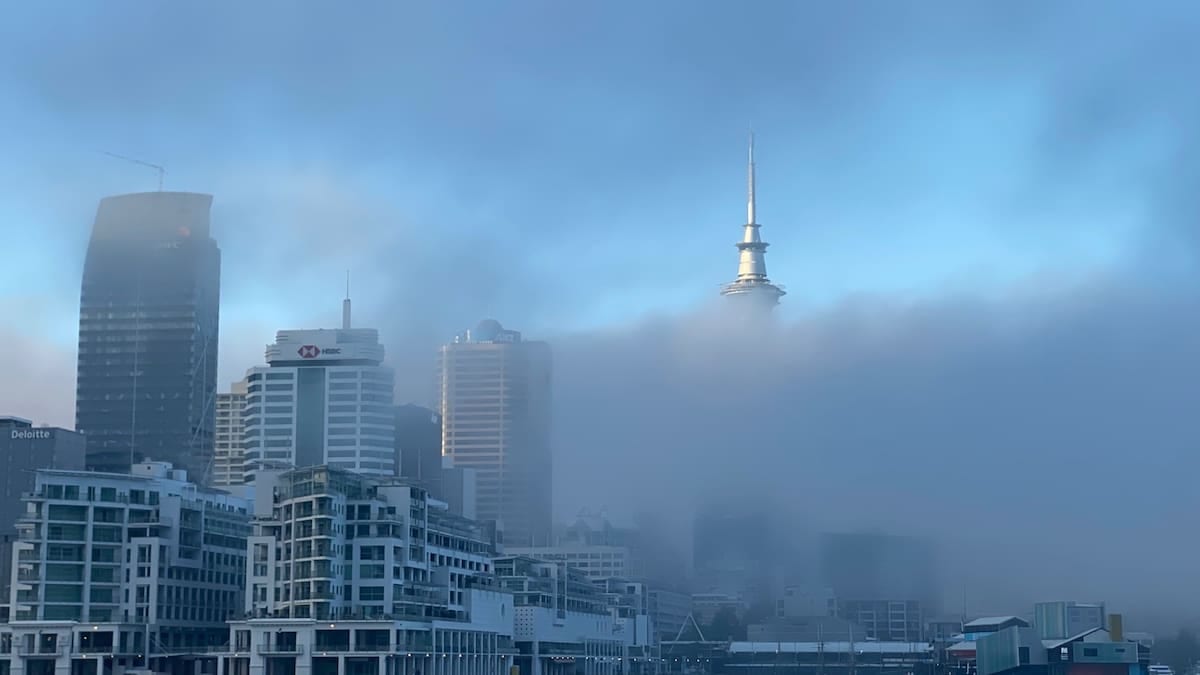
Motorways slowed by low visibility
Commuters across Auckland reported a murky start to the day as dense fog rolled through key arterial routes, including sections of State Highway 1 and the Southern and Southwestern Motorways. Electronic message boards warned drivers to reduce speed, and traffic maps showed noticeably slower travel times on several inbound corridors during the early peak.
Transport bulletins described areas of patchy but at times very low visibility, particularly on higher overpasses and near the Manukau Harbour approaches. Motorists travelling from satellite communities into the city encountered a mix of clear patches and sudden fog banks, increasing the potential for abrupt braking and congestion.
Publicly available traffic data indicated that while no major crashes were immediately linked to the conditions, speeds were generally lower than typical for a mid-July weekday. Travel times improved as daylight strengthened and the fog gradually began to lift later in the morning.
Road safety advice in such conditions typically urges drivers to slow down, increase following distances and avoid sudden lane changes, especially on multilane motorways where some stretches of road can clear more quickly than others.
Flight delays and cancellations at Auckland Airport
The poor visibility extended across the Manukau coast to Auckland Airport, where arrival and departure boards showed a cluster of early-morning disruptions. According to published airport and airline information, a total of 17 domestic regional services were affected, with a mix of delays and cancellations.
Most of the impacted flights were shorter regional hops operated by turboprop aircraft linking Auckland with centres such as Hamilton, Tauranga and smaller North Island destinations. Main trunk jet services to Wellington and Christchurch, as well as long-haul international flights, continued to operate largely to schedule, though with occasional minor delays as traffic was resequenced.
Real-time weather observations for the airport showed patches of fog with visibility reduced to under one mile at times, along with low cloud obscuring the sky and relative humidity near 100 percent. Such conditions require increased separation between aircraft and can trigger the use of low-visibility procedures, which slow the overall flow of take-offs and landings.
Airlines advised passengers through usual channels to monitor their flight status and allow extra time at the airport, particularly for domestic connections involving regional links that were more vulnerable to disruption from the changing conditions.
Weather pattern behind the murky start
The fog event formed under a classic mid-winter pattern for Auckland, with clear overnight skies, light winds and cool ground temperatures combining to create ideal conditions for radiation fog. Moist air near the surface cooled quickly before dawn, allowing microscopic water droplets to condense and blanket low-lying areas and open expanses such as runways and harbour flats.
Forecasts from national meteorological services had signalled a risk of fog and low cloud across the upper North Island, including Auckland and neighbouring regions. Outlooks pointed to gradual improvement by late morning as the July sun warmed the surface, encouraging the fog to break into low cloud and then disperse.
Similar events are a recurring feature of Auckland’s winter climate, periodically disrupting early flights and slowing traffic on key corridors. Recent climate summaries for the country have highlighted several past mid-year mornings where airport operations were constrained by fog that took hours to clear.
While Tuesday’s disruption was relatively modest compared with some historic episodes that have grounded dozens of flights, the combination of motorway congestion and aviation delays once again underscored how sensitive the city’s transport network can be to short-lived but intense weather phenomena.
Travel ripple effects across New Zealand
Early-morning fog in Auckland can produce knock-on effects across New Zealand’s tightly timed domestic network. When the country’s largest hub slows, regional airports often see subsequent delays as aircraft and crews arrive late or are temporarily held.
On Tuesday, tracking data showed several services into Auckland arriving behind schedule, with minor delays then cascading onto onward legs. Some southbound departures left later than timetabled as operators adjusted sequences to manage the backlog of aircraft waiting for a safe slot to land or depart in the reduced visibility.
Travel industry observers note that winter weather disruptions at key hubs frequently lead to missed connections, longer days for passengers and additional logistical challenges for airlines. Even when the number of directly affected flights is relatively small, the tightly interconnected nature of domestic schedules means that delays in one location can ripple through the system for several hours.
For travellers, publicly available guidance consistently emphasises checking flight status before leaving home, travelling with essential items in carry-on baggage in case of missed connections, and building extra time into itineraries during periods when fog or frost is forecast.
Managing fog risk for future winters
While weather cannot be controlled, New Zealand’s transport agencies, airports and airlines have been investing in technology and procedures designed to better manage events like Tuesday’s fog. Navigation systems, runway lighting upgrades and refined approach procedures can help maintain safe operations at lower visibility thresholds, reducing the likelihood of extended closures.
Recent aviation performance reports have noted that seasonal weather, including fog and strong crosswinds, continues to be a leading factor in delays across the network. Industry analyses stress that improved forecasting, data sharing and collaborative decision-making between operators are central to minimising disruption on days when conditions change quickly.
On the roads, ongoing messaging encourages drivers to treat dense fog with the same caution as heavy rain or ice, slowing down and allowing extra time for commutes. Transport planners also look at how incidents and congestion during such events can inform future investments in signage, lighting and real-time information tools for motorists.
For Aucklanders, Tuesday’s murky morning served as another reminder that even relatively routine winter fog can reshape the rhythm of the city, from slower-than-usual motorway journeys to quiet boarding gates waiting for the sky to clear just enough for flights to move again.