

More news on this day
Air travelers moving through Detroit Metropolitan Wayne County Airport on May 22 faced a fresh wave of disruption as publicly available flight-tracking data showed 108 delays and 4 cancellations, affecting multiple airlines and itineraries across the United States, Canada, Germany, the Netherlands and Puerto Rico.
Get the latest news straight to your inbox!
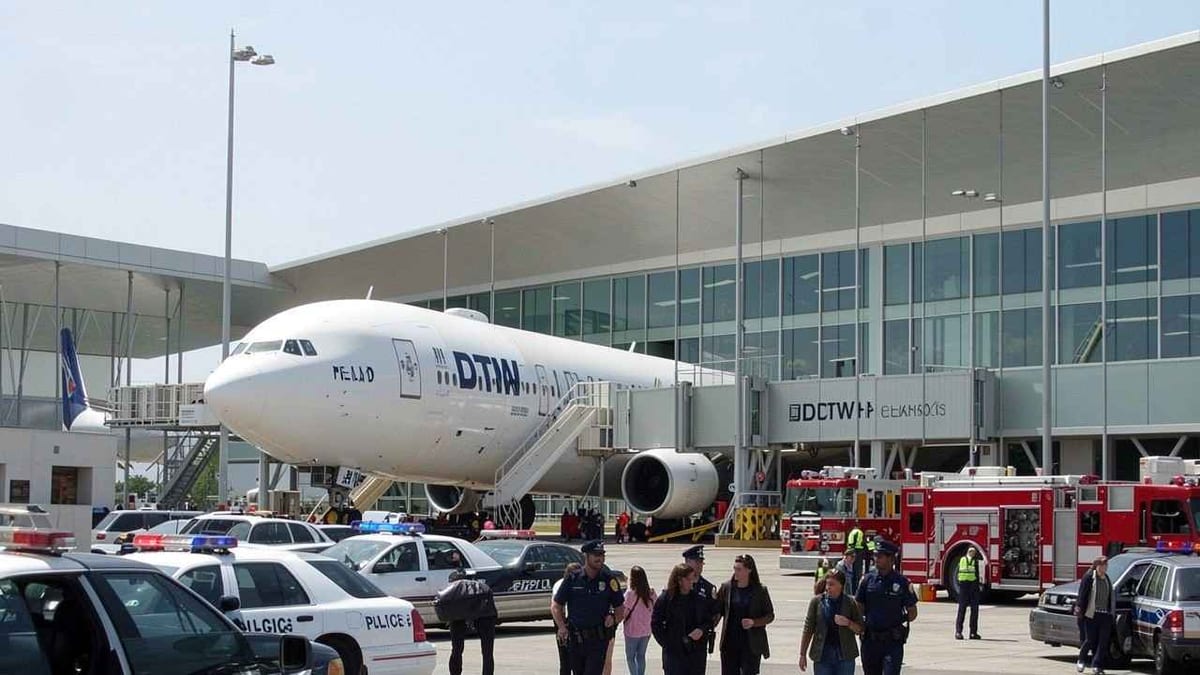
Detroit Hub Turbulence Ripples Across Key Routes
The latest operational strain at Detroit Metro, one of Delta Air Lines’ most important hubs, translated into a concentrated spike in delayed departures and arrivals throughout Friday’s schedule. Tracking dashboards indicated pressure building from the early morning hours, with regional partners and mainline operations alike accumulating hold times at gates and on taxiways.
Delta-branded services, including flights operated by Endeavor Air and SkyWest, formed the bulk of the impacted schedule as the carrier funneled connecting traffic through Detroit to dozens of domestic and international destinations. Publicly available records showed a mix of moderate and extended delays on routes linking Detroit with major U.S. cities such as Grand Rapids, Raleigh, Las Vegas, Washington, D.C., and Anchorage, while a smaller number of cancellations hit scattered departures.
The pattern at Detroit aligned with a broader day of strain across the U.S. aviation system, where disruption at several large hubs has recently tended to cascade through interconnected schedules. Historical data for Detroit Metro shows that when operations begin to slip during peak banks, the knock-on effects can stretch well beyond Michigan, particularly for travelers relying on tight connections.
Delta, Endeavor, Alaska and SkyWest Among Most Affected
Delta and its regional affiliates again sat at the center of the turbulence. Endeavor Air and SkyWest, which operate numerous Delta Connection flights into and out of Detroit, saw a series of regional jets depart behind schedule on routes that serve as vital feeders into the carrier’s long-haul network. Flight-status boards showed late operations on short-haul links such as Grand Rapids to Detroit, with pushback times sliding by 30 minutes or more and arrival estimates adjusted accordingly.
Alaska Airlines, which uses Detroit for select transcontinental services and connections via partner networks, also appeared among the affected carriers, though at a smaller scale compared with Delta and its branded operations. Publicly accessible airport and airline data lists Alaska alongside other non-SkyTeam airlines using Detroit’s Evans Terminal, underscoring how infrastructure or congestion issues at a single hub can reach into a variety of route maps.
SkyWest’s presence was particularly visible because it flies under multiple brands, including Delta and Alaska, meaning a single operational bottleneck can simultaneously impact customers ticketed on different airlines. The combination of mainline and regional disruptions translated into crowded departure lounges, longer customer-service lines and increased rebooking activity as passengers looked for alternatives.
Travelers to Canada, Germany, the Netherlands and Puerto Rico Feel the Strain
While the majority of Friday’s delayed flights were domestic, the effects were felt well beyond U.S. borders. Detroit Metro functions as a connecting point for itineraries into Canada and Europe, including links to major cities in Ontario and Western Canada and transatlantic services into Germany and the Netherlands. Even when specific international departures stayed nominally on time, knock-on delays from inbound feeder flights made connections more precarious for travelers.
Publicly available information on recent traffic patterns at Detroit underscores the airport’s role as a key link between U.S. interior markets and European gateways. When departure banks run late, passengers bound for hubs in Germany and the Netherlands face compressed or missed connections, often requiring rerouting through alternative hubs and overnight stays. On Friday, the elevated delay count at Detroit raised that risk for a broad mix of leisure travelers, business passengers and those heading onward to other European destinations.
Connections to Puerto Rico were also vulnerable. Detroit serves as a waypoint for travelers heading to San Juan and other Caribbean points on both nonstop and one-stop itineraries. Longer-than-normal waits in Detroit can mean missed evening departures from southeastern hubs or a loss of same-day travel options, particularly at the start of a busy late-spring travel weekend.
Operational Pressures Build on a Fragile Spring Travel Season
The disruption comes during an already fragile period for U.S. aviation, with spring weather patterns, ongoing crew and aircraft positioning challenges, and heavy leisure demand combining to create frequent pockets of turbulence in airline operations. Earlier in the season, Detroit Metro and several other Delta hubs experienced days with elevated delay and cancellation counts, illustrating how quickly schedules can unravel when small issues compound.
Industry observers note that large hub airports like Detroit must manage a complex web of factors, including air traffic flow constraints, runway and taxiway availability, and maintenance or staffing issues that can ripple through multiple carriers. When those pressures intersect during peak departure banks, even minor slowdowns can quickly grow into triple-digit delay tallies, as seen in Friday’s statistics.
Recent financial and operational reports from the Wayne County Airport Authority highlight the breadth of airlines now serving Detroit, from global network carriers and their regional affiliates to low-cost and international operators. That diversity offers travelers more choice but also means that any day of heightened disruption is widely felt across different fare classes, cabin products and loyalty programs.
What Passengers Can Expect in the Coming Days
With delays and cancellations already elevated at Detroit on Friday morning, travel planners warn that residual impacts may linger into the weekend. Aircraft and crew displaced by late arrivals can trigger additional schedule adjustments on subsequent days, affecting routes that may not currently show disruption in booking systems. Publicly available flight-tracking platforms often show this pattern in the form of rolling delays on aircraft already flagged for earlier late operations.
Passengers with upcoming itineraries through Detroit are being encouraged by travel advisories and airline notices to monitor their reservations closely, enable mobile alerts and build additional buffer time into connections where possible. Same-day change policies and travel waivers, when offered, can provide more flexibility to shift to earlier or later flights, especially for those connecting to long-haul services to Europe or to sun destinations such as Puerto Rico.
The experience of travelers on this latest difficult day at Detroit Metro underscores how localized operational challenges can quickly evolve into continent-spanning disruptions. With demand forecast to remain strong into the summer season, even relatively modest tallies of delays and cancellations at a major hub can have outsize consequences for passengers spread across the United States, Canada, Germany, the Netherlands and beyond.