


More news on this day
Disney Cruise Line guests on a recent sailing saw a planned port call removed from their itinerary after an onboard medical emergency prompted an early return to port and a compressed schedule at sea, according to multiple passenger accounts and cruise-tracking information.
Get the latest news straight to your inbox!
Medical Situation Forces Course Change
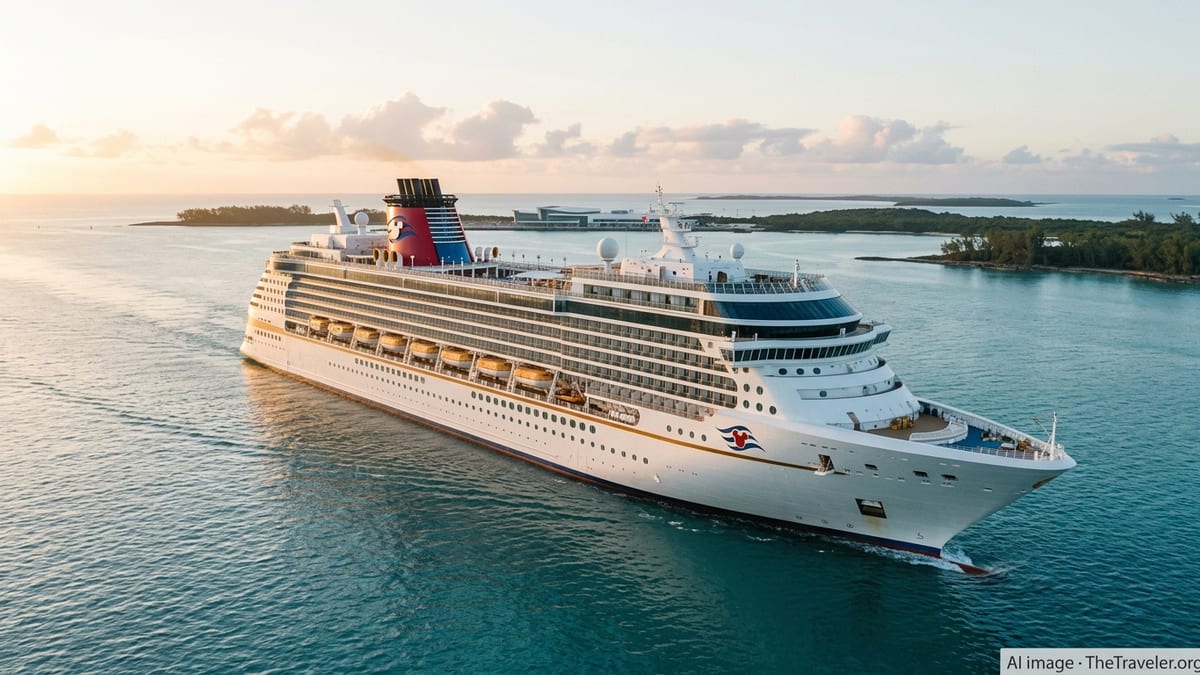
Reports from passengers and public cruise coverage indicate that a Disney Cruise Line ship recently reversed course shortly after departure due to a medical emergency involving a person on board. Tracking data and first-hand accounts suggest the vessel returned to its home port so the guest could receive shoreside care, a maneuver that effectively consumed a large portion of the first day at sea.
On affected itineraries, the unplanned return added hours of extra sailing and handling time, leaving the ship off its original schedule for the remainder of the voyage. With limited room to make up lost time, the line ultimately removed a scheduled port call, turning what had been marketed as a multi-stop cruise into an itinerary with one fewer destination.
Passenger posts shared on social media and cruise forums describe unusual turns visible from shore, late-night or early-morning port calls, and announcements about diverting for a medical issue. While details about the individual involved have not been made public, commenters consistently emphasize that the deviation was linked to an urgent health concern.
Such situations remain relatively rare, but they can be disruptive. When they do occur, cruise lines operate under maritime obligations that prioritize safety and medical access ahead of the advertised schedule, even when that means upending carefully planned port visits.
How Disney Cruises Handle Onboard Emergencies
Disney Cruise Line, like most major operators, maintains a medical center on each ship staffed by doctors and nurses who provide routine care and respond to urgent situations. Public information from the company explains that clinicians are on call around the clock for emergencies and that the onboard facilities are designed to stabilize patients and coordinate further treatment ashore when necessary.
If medical staff determine that a guest requires care beyond what can be provided on board, the bridge team works with shoreside partners and local authorities to identify the safest and fastest option. Depending on the ship’s position and the severity of the case, that can mean diverting to the nearest port with appropriate medical infrastructure, arranging a helicopter evacuation, or, as in the recent case, returning to the embarkation port shortly after departure.
Disney’s publicly available contracts and guest guides note that “medical problems on board the ship or at intended ports” are among the circumstances that may force itinerary changes. These materials frame such events as situations beyond the company’s control, underscoring that the master of the ship has broad discretion to alter course in the interest of safety.
For guests, that can translate into missed ports, late arrivals, or extended days at sea. Although disappointing, cruise commentators point out that rapid access to land-based hospitals is often decisive in serious medical cases, particularly for cardiac events, strokes, and traumatic injuries where minutes matter.
Missed Ports and What Guests Can Expect
When a ship loses hours or an entire day to an emergency return, cruise planners have limited options to recover lost time. Industry analysis notes that itinerary teams may shorten time in port, swap the order of calls, skip a stop entirely, or convert a sailing into an additional day at sea.
In the recent Disney sailing, passengers report that one of the planned ports was dropped and the rest of the schedule adjusted, with the ship spending more time underway and less time alongside than originally advertised. Some guests described the change as a surprise, while others said they learned of the final plan through onboard announcements and updated daily programs.
Travel experts observe that contracts for most major lines, including Disney, explicitly state that ports, times and routes are not guaranteed and may be changed for reasons such as weather, mechanical issues, or emergencies. In practice, compensation for a skipped port is generally limited to refunds of pre-booked shore excursions sold by the cruise line for that destination, although some companies may extend additional goodwill gestures depending on the circumstances.
For travelers who build their vacations around a particular stop, this can be frustrating. However, consumer advocates routinely encourage cruise passengers to understand that no port can be absolutely guaranteed and to view the ship itself and its amenities as a central part of the trip rather than focusing solely on specific destinations.
Growing Awareness of Medical Diversions at Sea
The Disney itinerary change is part of a broader pattern that frequent cruisers say they are seeing more publicly discussed, even if overall numbers remain low relative to the millions of passengers who sail each year. Posts on fan forums describe diversions across multiple lines for conditions ranging from severe illnesses to injuries sustained in cabins or on deck.
Commentary from cruise bloggers and enthusiast sites indicates that passengers are increasingly aware of how quickly a sailing can change course when something serious happens on board. Some recount similar experiences on Disney ships in recent months, including returns to port within the first hours of a voyage and unexpected calls in interim ports to disembark a patient.
While these diversions are disruptive, safety specialists note that they also reflect improvements in detection and response. Wider availability of onboard diagnostics, better training, and closer coordination with shoreside medical networks can all lead to earlier decisions to divert, which in turn may improve outcomes for the individuals involved.
Industry observers add that the widespread use of ship-tracking websites and social media means these events now unfold in public view. Unusual course changes, extended holds outside ports, and delayed departures are quickly noticed and discussed by guests and by observers following along from shore.
Planning Future Sailings With Flexibility in Mind
For travelers considering a Disney cruise, the recent incident serves as a reminder to build flexibility into vacation expectations. Travel writers note that while emergency diversions and missed ports are not everyday occurrences, they are an inherent possibility whenever a ship sails far from land with thousands of people on board.
Advisers often recommend reviewing cruise contracts and travel insurance policies in advance to understand what is and is not covered in the event of an itinerary change. Policies that address missed ports, trip interruption, and emergency medical evacuation can be useful safeguards, particularly for guests with complex health needs or those traveling long distances to reach their embarkation port.
Families may also wish to think of port days as one component of the overall experience rather than the sole focus. Disney ships place heavy emphasis on onboard entertainment, youth activities, and themed programming, which can help soften the blow if a long-anticipated beach day or city tour does not happen as planned.
Ultimately, the recent voyage illustrates the delicate balance cruise lines must strike between delivering the itineraries they advertise and responding swiftly to urgent medical needs. When that balance tips toward safety, as it did in this case, guests can find themselves trading a port stop for the knowledge that their ship diverted course to give someone on board the best possible chance at timely care.