


Planning a romantic Greek island escape can feel overwhelming when you are choosing between hundreds of dreamy photos and too-good-to-be-true descriptions. This guide narrows the field to eight islands that genuinely work for couples, with real examples of where to stay, which beaches to aim for, and how to find quiet corners even in peak season. From Santorini’s caldera views to the slow rhythms of Hydra and Sifnos, here is how to match each island’s character to the kind of trip you want together.
Get the latest updates straight to your inbox!
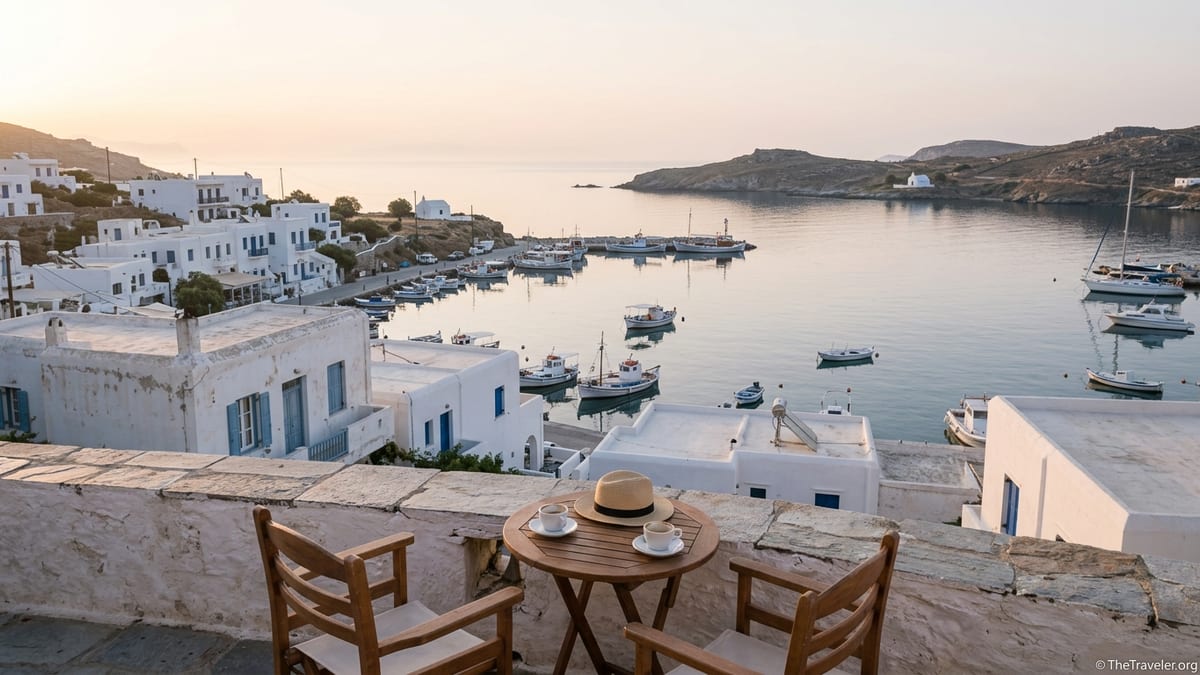
How to Choose the Right Greek Island for Two
For couples, the best Greek island is rarely the most famous one. It is the place where the rhythm fits the way you like to travel together. Santorini brings sweeping caldera sunsets, luxury suites and honeymoon energy. Milos, Folegandros, Sifnos, Paros and Naxos offer softer prices, swimmable beaches and more space to breathe. Hydra and Corfu add a different flavor again, with neoclassical mansions and lush green landscapes. Thinking clearly about your priorities before you book will help you build an itinerary that feels balanced rather than rushed.
If sunset views and private plunge pools are your priority, spending most of your time on Santorini, Milos and Folegandros makes sense. If you care more about long beach days, taverna-hopping and driving around to explore, focus on Paros, Naxos and Sifnos, where car hire is easy and mid-range beachfront hotels are common. For couples who prefer wandering atmospheric towns, art and architecture, Hydra’s car-free harbor and Corfu Old Town’s Venetian lanes are ideal bookends to a Cycladic trip.
Your budget will shape the experience. A caldera-view cave suite on Santorini in July can easily run from around 500 to over 1,000 euros per night, while a stylish small hotel a street back from the sea on Naxos or Paros can be closer to 120 to 250 euros in the same period. Many couples now mix one or two “wow” nights in a high-end boutique property with longer stays on quieter, better-value islands. Ferries knit these destinations together, so you can, for example, start in Santorini and hop to Milos and Folegandros in one trip.
Santorini: Iconic Sunsets and Cave-Style Boutique Suites
Santorini is the classic Greek honeymoon postcard. Villages like Oia, Imerovigli and Fira are perched along the volcanic caldera, so even a short walk at dusk feels cinematic. For couples who have always imagined a private terrace with the sea turning orange and pink in front of them, a caldera-view room is the splurge that makes sense. Adults-only boutique properties around Imerovigli, such as Honeymoon Petra Villas, are built into the cliff with cave-style suites, shared infinity pools and terraces facing the sunset, creating a cocooned atmosphere that can justify a higher nightly rate for at least part of your stay.
If your budget is tighter, look at smaller properties in Fira and Firostefani that still face the caldera but are a step back from the most famous viewpoints. Panorama Boutique Hotel in Fira, for example, sits on the rim with direct sunset views across the volcano and a compact pool terrace where many couples linger over local white wines in the early evening. Rooms like caldera-view doubles or junior suites are usually more affordable than big villas in Oia and still put you within walking distance of restaurants and late-night bars.
Beach time on Santorini is different from other islands because the sand is volcanic. Perissa and Perivolos on the southeast coast are long, black-sand stretches lined with sunbed sets, beach clubs and simple hotels, many in the 120 to 250 euro per night range in high summer. For a quieter atmosphere, couples often gravitate to smaller coves like Pori or the village of Akrotiri, where you can stay in low-key studios with partial caldera or sea views and drive to the Red Beach or ancient site in a few minutes.
Food here skews more polished than rustic, especially in caldera-facing restaurants. Expect to pay more for the view: a shared starter, two mains and a bottle of local Assyrtiko with front-row sunset seating can easily reach 90 to 150 euros, while a satisfying dinner in a family taverna inland might be half that. To escape the crowds, many couples opt for a late lunch in busy spots like Oia, then retreat to their hotel balcony with takeaway baklava or a small cheese plate from a deli to watch the sky change color in peace.
Milos & Folegandros: Wild Coastlines and Quiet Romance
Milos is a strong choice for couples who want dramatic coastlines, endless swimming spots and a more relaxed scene than Santorini. The island is ringed with beaches, from the lunar white rock formations of Sarakiniko to the sheltered turquoise water at Firiplaka and Tsigrado. Many couples base themselves in Pollonia, a small fishing village on the northeast coast that has evolved into a low-key hub with wine bars and beachfront rooms that rarely feel crowded, even in August. Boutique hotels and stylish guesthouses in Pollonia often fall in the 150 to 300 euro bracket in summer, with sea-view rooms and balconies close enough to the water that you can hear the waves at night.
A highlight for many is a day cruise around the island, especially to the Kleftiko caves on the southwest coast. Small-boat operators typically take 8 to 20 passengers, serve a simple onboard lunch and stop for snorkeling in coves only reachable by sea. Prices vary, but couples can expect to pay somewhere in the range of 80 to 140 euros per person for a full-day trip with drinks. Booking a smaller or adults-oriented vessel gives you a quieter experience, and May, June, September and early October usually mean fewer crowds and more reasonable temperatures.
Nearby Folegandros feels like a secret, even as it grows in popularity. The main village, Chora, sits dramatically on a clifftop with whitewashed lanes, tiny squares and a path up to the Panagia church for one of the most romantic sunset walks in Greece. Accommodation here skews toward small hotels and pensions rather than big resorts. Properties like Anemomilos Boutique Hotel and Chora Resort Hotel & Spa combine pool areas with views across the cliffs and village, while places like Solaris Hotel sit a short walk from Chora, offering peaceful terraces where you can watch the sky change over the sea.
Beaches on Folegandros are small and simple, reached mostly by bus and short walks or by boat from the main port. Agali Bay is a favorite, with clear water and tavernas backing the sand where you can linger over grilled octopus and local wine after a swim. Because nightlife is low-key, evenings tend to revolve around sharing meze plates in Chora’s squares and moving between a couple of mellow bars. Couples who want to talk, read and unwind find this rhythm ideal, especially in shoulder season when room prices and ferry queues drop.
Paros & Naxos: Easygoing Beaches and Charming Villages
Paros and Naxos work well for couples who like the idea of a “base” island with everything you need within a short drive, plus a good mix of beaches and evening atmosphere. Paros has two main hubs: Naoussa in the north, which is photogenic and fashionable, and Parikia, the port town that is a little more mixed in terms of price and style. In Naoussa, boutique hotels and design-led guesthouses near Piperi Beach or up the hillside might range between 160 and 320 euros per night in high season. Many offer intimate pools, white-and-wood interiors and breakfast courtyards where couples linger late into the morning.
Naxos is larger and more agricultural, often considered the best all-rounder in the Cyclades. For couples, one of the most practical choices is to stay behind the long sandy sweep that runs from Agios Georgios, walkable from Naxos Town, through Agios Prokopios and Agia Anna to Plaka Beach. Here you find small, often family-run hotels and studios steps from the sand, with sea-view balconies and easy access to tavernas on the shore. In July and August, expect to pay roughly 120 to 260 euros a night for stylish, mid-range beach hotels with breakfast included.
Both islands are excellent for renting a car for a day or two. On Naxos, you might drive up to hill villages like Halki and Apeiranthos for cooler air and stone-paved alleys; on Paros, a loop around the island brings you to beaches such as Kolymbithres with its sculpted rocks and the quieter stretches near Aliki. Daily car rental rates in high season often fall somewhere around 40 to 70 euros for a small vehicle, and fuel costs remain manageable given the short driving distances.
Food is a highlight here, with more traditional tavernas than overtly fine-dining spots. Grilled fish priced by the kilo, plates of fava and capers, locally made cheeses and Naxian potatoes appear on most menus. A medium-priced dinner for two with shared starters, two mains and house wine might come to 40 to 70 euros in most places, far less if you stick to gyros, bakery lunches and beachfront snack bars. For romantic evenings, aim for tavernas right on the sand in Plaka or Agia Anna on Naxos, or harbor-view spots outside the tightest cluster of Naoussa’s bars, where you can hear the waves while still being close to a glass of late-night ouzo.
Sifnos & Hydra: Slow Living, Food Culture and Car-Free Romance
Sifnos is a quietly confident island that attracts people who care about food and understated style. There are no huge resorts or wild nightlife zones. Instead, you find calm beach villages like Platis Gialos and Vathi, where low-rise hotels sit almost on the sand and sunset comes with the sound of cutlery and conversation drifting from waterfront tavernas. Prices for tasteful rooms right on or near the beach often hover in the 130 to 260 euro range in summer, though you can spend more for suites in designer properties. Many couples split their time between a beach base and a few nights near the village of Apollonia or Artemonas for access to hiking trails and hillside dining.
Sifnos has a long culinary tradition, and you feel it in the number of serious yet relaxed tavernas using local pots and recipes. Sharing a clay pot of revithada, the island’s slow-cooked chickpea stew, or mastelo, lamb baked with wine and dill, can be as memorable as any white-tablecloth meal. Dining here is still relatively affordable compared with more famous islands, so you can comfortably eat out every night without worrying that each meal will be a major splurge. Many couples build their days around a swim, a nap, a long early dinner and a stroll under the stars.
Hydra, by contrast, is almost entirely about atmosphere. Just a short ferry ride from the mainland, it feels removed from everyday life in a way that surprises many first-time visitors. No cars are allowed, so transport comes by foot, donkey or water taxi, and the main harbor curls around a horseshoe lined with stone mansions. For a romantic stay, couples often choose historic hotels just behind the port, like Leto Hydra or Hydrea Luxury Hotel, or smaller design-forward guesthouses hidden in the alleys. Many rooms open to sea-facing terraces or courtyards where you can hear church bells and harbor sounds instead of traffic.
Hydra is not a classic beach destination, but it shines for couples who like to swim from rocky platforms and then settle into a waterfront cafe. Spots like Hydronetta, within walking distance of the port, offer ladders down into clear water, sunset views and cocktails without the need to rent a vehicle. For more conventional beaches such as Vlychos or Bisti, you can take short boat rides from the harbor. Because space is limited, accommodation prices tend to be higher than on similarly small islands, especially in July and August, but visiting in May, June, September or early October can bring room rates down and soften the crowds.
Corfu: Lush Landscapes, Elegant Towns and Secluded Coves
Corfu sits in the Ionian Sea off Greece’s northwest coast and feels very different from the Cyclades. The island is green and hilly, with cypress trees, olive groves and hidden bays edged by clear, calm water. For couples, the decision is often between staying in or near Corfu Town, with its Venetian architecture and UNESCO-listed old quarter, or heading straight for a beach resort area. Many travelers now choose a combination: two or three nights in a small townhouse hotel or guesthouse inside the old town to enjoy evening strolls under stone arcades, followed by a longer stay in a coastal village.
On the coast, popular couples’ areas include Paleokastritsa on the west side, with cliff-backed coves and a monastery perched above the sea, and the northeast coast around Nissaki and Agni, where waterfront tavernas sit beside pebble beaches and small hotels or villas climb the hills behind. Boutique hotels in these areas often blend traditional stone elements with modern pools and sea-view balconies, with summer rates commonly in the 160 to 320 euro range depending on location and room type. Many couples also rent small apartments or studios with kitchenettes, which can reduce eating-out costs and give you the option of simple breakfasts on your balcony.
Corfu is well suited to hiring a car or small boat to find quieter corners. A day’s rental for a basic motorboat along the northeast coast often starts around 80 to 150 euros plus fuel, allowing you to nose into coves that larger tour boats skip. Inland drives through mountain villages like Lakones provide cooler air and panoramic views back down to the coast, and stopping at roadside viewpoints near the “Kaiser’s Throne” above Pelekas for sunset can feel just as romantic as any beachfront dinner. Because Corfu is larger and more developed than most Cycladic islands, it is possible to find restaurants and cafes at varied price points, from simple grill houses to high-end hotel dining rooms.
Weather here is a little wetter outside peak summer than in the drier Cyclades, which is worth factoring into shoulder-season travel plans. In practice, though, May, June, September and early October usually still bring long stretches of warm, sunny days that are well suited to swimming and hiking. For couples who want a mix of culture, greenery and beach time without flying or ferrying between multiple islands, a week or more on Corfu can be a complete trip in itself.
Planning Your Route, Budget and Quiet Moments
When you combine several of these islands, logistics matter. Ferry routes in the Cyclades are well established between hubs like Santorini, Milos, Paros and Naxos, and you can usually move between them in one to four hours by high-speed or conventional boat. Folegandros is connected to Santorini and Milos several times a week in season, but schedules thin out in spring and autumn, so couples traveling in April, early May or late October should build in flexibility. Hydra and Corfu sit in completely different island groups; it is more practical to pair Hydra with Athens and perhaps another Saronic island, and Corfu with mainland road trips or nearby Ionian islands, than to try to link them directly to Cycladic hops.
Costs add up fastest on transport and high-end accommodation. Return ferry tickets between nearby islands may run from around 40 to 120 euros per person depending on distance and ferry type. Internal flights, for example between Athens and Santorini or Corfu, can sometimes be competitive if booked early, but prices climb as dates approach. A realistic mid-range daily budget for a couple who choose comfortable but not ultra-luxury hotels, eat out once or twice daily and move islands a couple of times might land somewhere in the 200 to 350 euro range, not including flights to Greece.
To protect your romantic time from crowds, think in terms of timing rather than just place. Even busy islands have calm pockets at sunrise, during extended lunch hours and late at night once day-trippers have left. Walking the caldera path on Santorini before breakfast, heading to Sarakiniko on Milos in the late afternoon after most tours have departed, or visiting Hydra’s swimming spots early in the day can transform the experience. Booking accommodations with balconies, small private terraces or shared hotel lounges with good views gives you a built-in retreat when popular lanes or viewpoints feel too packed.
Finally, remember that what feels romantic is personal. Some couples will happily spend every evening dressed up for cocktails and multi-course dinners with a dress code. Others will find their happiest moments buying peaches and local cheese from a mini-market, driving to a hillside lay-by and watching the sunset from the hood of a rental car. The islands covered here give you options for both, so building in a mix of simple and special experiences will help keep the trip feeling both grounded and memorable.
FAQ
Q1. When is the best time for couples to visit these Greek islands?
May, June, September and early October usually offer warm weather, swimmable seas and fewer crowds than July and August, with better room availability and prices.
Q2. Which island is best for a classic honeymoon with sunset views and private pools?
Santorini is still the top choice for dramatic sunsets and cave-style suites with plunge pools, especially in villages like Imerovigli and Oia that directly face the caldera.
Q3. Which islands are better if we care more about beaches than views?
Milos, Paros, Naxos, Sifnos and parts of Corfu all offer long sandy or pebble beaches, clear water and more casual, swimmable settings than cliffside Santorini or Hydra.
Q4. Are these islands suitable for couples on a mid-range budget?
Yes. While high-end suites can be expensive, mid-range couples can find stylish guesthouses and small hotels, especially on Paros, Naxos, Sifnos, Milos and parts of Corfu.
Q5. Is it necessary to rent a car on islands like Paros, Naxos or Milos?
Public buses cover main routes, but renting a small car for at least a day or two makes it easier to reach quieter beaches, hill villages and sunset viewpoints together.
Q6. How many islands should couples combine in one trip?
For a 10 to 14 day trip, most couples are happiest with two or three islands plus Athens, rather than trying to see everything and spending too much time on ferries.
Q7. Is Hydra worth it for couples even without sandy beaches?
Yes, if you value atmosphere, car-free streets and harbor views. You can still swim from rocky platforms and small coves, then return to romantic mansions and tavernas.
Q8. Which island works best as a first stop after flying into Athens?
Santorini and Paros have good flight and ferry connections, while Hydra is an easy first or last stop because ferries from the mainland take only around 1.5 to 2 hours.
Q9. Are these islands a good choice for couples who do not like nightlife?
Yes. Folegandros, Sifnos, much of Milos and many coastal areas of Corfu lean more toward long dinners and quiet bars than loud clubs, which suits low-key couples.
Q10. How far in advance should we book romantic boutique hotels?
For July, August and popular weekends in May, June and September, booking three to six months ahead is wise, especially for small adults-focused properties with few rooms.