


More news on this day
Rail passengers in Wales are being urged to avoid non essential journeys later this week, after rail industry guidance combined with a rare red weather warning for extreme heat prompted operators to advise against non essential travel across parts of the network.
Get the latest news straight to your inbox!
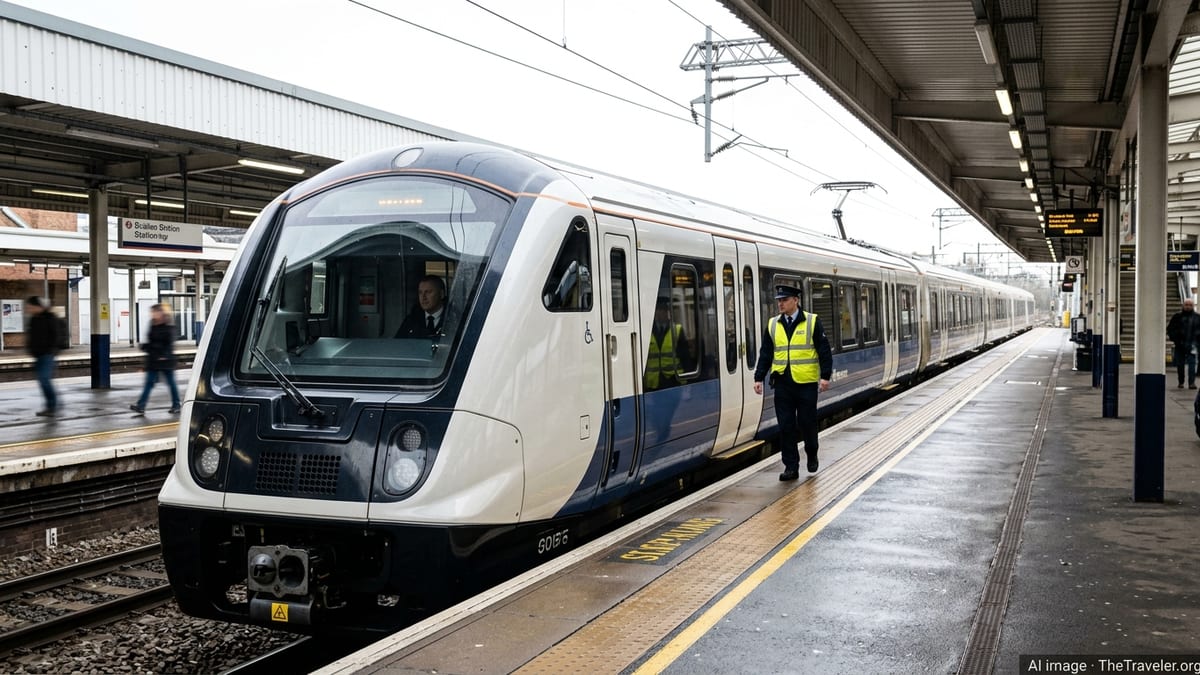
Rare red weather alert coincides with rail disruption risk
Publicly available information from the Met Office shows that a red weather warning for extreme heat is in force across parts of Wales this week, covering key rail corridors and urban centres. The alert signals an expectation of dangerously high temperatures capable of affecting critical infrastructure and everyday services.
Operational guidance from the National Severe Weather Warning Service indicates that when red alerts are issued, people are advised to avoid travelling where possible, due to a high likelihood of serious impacts on transport, energy and communications systems. In response, rail operators serving Wales have begun to publish revised timetables and pre emptive service changes.
According to industry updates, the combination of track temperature limits, potential power supply issues and a high risk of lineside equipment failure is expected to slow trains, reduce capacity and increase the chance of short notice cancellations. Passengers have therefore been advised that only essential rail journeys should be attempted over the period of peak heat.
Published coverage of the current heatwave notes that temperatures in parts of Wales could reach the high thirties Celsius, with humidity raising the perceived temperature further. Rail infrastructure across Britain is generally designed for a more moderate climate, which increases vulnerability when records are challenged or exceeded.
Why rail operators issue ‘Do Not Travel’ notices
Guidance issued within the rail industry sets out how and when so called ‘Do Not Travel’ messages should be used for passengers. The documents describe these notices as a last resort, reserved for situations where severe disruption is highly likely and where travelling could lead to passengers becoming stranded for extended periods on trains or at stations.
The latest heat driven disruption risk in Wales aligns with several of the criteria highlighted in that guidance, including the expectation of widespread delays, reduced train speeds, temporary line closures and pressure on replacement road transport. Extreme weather, whether heat, storms or flooding, is one of the scenarios under which these alerts are considered appropriate.
Rail planning information shows that on days of intense heat, track side speed restrictions are routinely applied to limit the risk of rails buckling. While this safety measure reduces the likelihood of accidents, it also sharply cuts capacity. When combined with potential signalling faults or power failures, the network can quickly become congested, leaving operators with little flexibility to recover from problems.
In such circumstances, rail companies and Network Rail typically coordinate their messages so that passengers receive clear, consistent advice. For this week’s heatwave, the thrust of that advice is for anyone who can defer or re route their journey to do so, allowing limited capacity to be focused on essential travel.
Which routes and passengers are most affected in Wales
Transport updates indicate that the impact of the heatwave will be felt across much of the Welsh network, but some routes are expected to be more exposed than others. Lines running through the hottest parts of south and southeast Wales, along with inter urban sections that cross into England, face the highest likelihood of disruption and restrictive speed limits.
Key commuter and intercity corridors used by Transport for Wales services, including links towards Cardiff and the Marches, may experience longer journey times and changes to stopping patterns. Trains that rely on overhead electric power or that share infrastructure with long distance English services could also be subject to additional constraints, as operators attempt to balance safety margins with the need to keep some level of service running.
Passengers travelling for leisure, particularly to coastal destinations or major events, are being singled out in public messaging as the group most strongly encouraged to reconsider travel plans. Industry information stresses that those who must travel for work, caring responsibilities or urgent appointments should prepare for difficult conditions and allow significantly more time than usual.
Published advice from journey planning and rail information services also recommends that passengers check for updates right up to the time of departure, as timetables may continue to change at short notice while the heatwave evolves.
What passengers are being advised to do
Across the network, publicly available travel notices set out a consistent set of steps for anyone who decides they still need to travel despite the ‘Do Not Travel’ guidance. Passengers are being urged to carry plenty of drinking water, wear light clothing, and be prepared for crowded, warmer trains and stations.
Information provided by National Rail and individual operators highlights the importance of checking both outward and return journeys before setting off, as disruption late in the day can leave travellers with limited options for getting home. Where tickets were originally booked for the affected days, many operators are allowing passengers to travel on alternative dates, or to seek refunds or fee free changes.
Guidance for vulnerable passengers, including older people, those with health conditions and anyone travelling with young children, notes that the combination of heat and disruption can be particularly challenging. Public health messaging associated with the red warning emphasises that staying at home in a cooler environment will often be the safest option during the hottest hours.
Staffing plans and contingency arrangements published ahead of the heatwave indicate that additional personnel will be deployed at some major stations to support wayfinding and provide information. However, given the likely extent of disruption, operators are continuing to stress that avoiding rail travel altogether remains the most reliable way to stay safe and minimise inconvenience during the peak of the extreme heat.