


More news on this day
The United Kingdom has joined France, Spain, Italy, Germany, Belgium and other major European tourism destinations in grappling with an intense early-summer heatwave, as Network Rail issues rare guidance to avoid non-essential journeys amid heat-related disruption across key rail corridors.
Get the latest news straight to your inbox!
Record Temperatures Put European Summer Travel Under Strain
Publicly available meteorological data shows much of Western and Southern Europe entering another phase of extreme heat, with temperatures widely approaching or exceeding 38 to 40 degrees Celsius in parts of France, Spain, Italy and Germany. National forecasters in these countries have activated high-level heat alerts as forecasters warn of several consecutive days of unusually hot conditions for late June.
In France, reports indicate that the national weather service has expanded its top-tier heat alert across dozens of departments, affecting tens of millions of residents and visitors. Local coverage describes temperatures potentially reaching the low 40s Celsius in some southwestern cities, with Paris and other major urban centers also expected to endure prolonged periods of oppressive heat.
Similar patterns are evident across Spain and Italy, where large inland cities and popular coastal regions are reporting temperatures several degrees above seasonal norms. Tourism industry updates describe altered sightseeing schedules, reduced outdoor activity during peak afternoon hours and intensified demand for shaded terraces, indoor attractions and coastal resorts offering sea breezes.
Germany and Belgium, typically viewed by many travelers as relatively moderate summer destinations compared with the Mediterranean, are also seeing elevated temperatures. Weather services there have highlighted readings in the mid to high 30s Celsius, setting the stage for discomfort on crowded urban streets and packed public transport, particularly during commuter peaks and major events.
Network Rail Issues Essential Travel Warning as Infrastructure Struggles
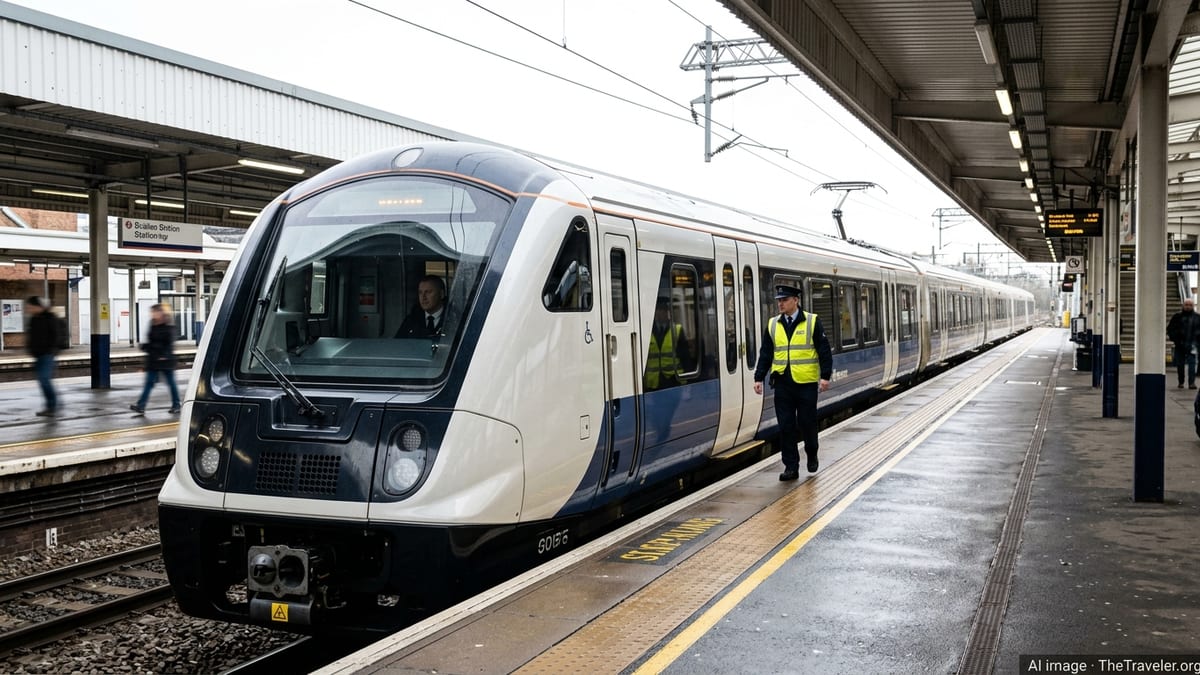
Within the United Kingdom, the escalating heat has prompted Network Rail to activate measures that are usually reserved for only the most severe weather events. According to public service updates, sections of the railway are operating with heat-related speed restrictions designed to reduce the risk of rails buckling as steel tracks expand in the sun.
In addition to slower services, widespread announcements from train operators and Network Rail have advised passengers to consider travelling only if journeys are essential on the hottest days. This rare form of guidance mirrors language used during major storms and prior extreme heat episodes and underscores the extent to which high temperatures are now affecting core transport links.
Service alterations reported across parts of England and Wales include reduced frequencies, extended journey times and last-minute cancellations where rails or overhead power systems are deemed at risk. Social media feeds and operator bulletins show images of heavily crowded platforms at peak times, as travelers attempt to rebook or reroute around gaps in timetables.
The situation closely echoes previous European heatwaves, when rail providers in countries such as the United Kingdom, France and Germany imposed blanket speed limits and urged passengers to defer non-essential trips during the hottest periods of the day to safeguard infrastructure and limit the risk of failures.
Tourism Hotspots Confront Disruption, Closures and Heat Adaptations
Across the continent, the latest heatwave is reshaping the summer tourism experience in real time. Reports from France describe some outdoor school activities and events being curtailed, while coverage from Spain notes that fan zones and other large gatherings have adjusted hours or reduced programming to protect attendees from peak afternoon heat.
Travel trade publications outline a growing list of heat-related impacts: shorter operating hours for some attractions, temporary closures of smaller museums or heritage sites lacking effective cooling, and changes to excursion schedules that shift walking tours and city sightseeing to early mornings and late evenings. Tour operators are emphasizing hydration, sun protection and rest breaks as essential components of itineraries.
In major Mediterranean cities such as Rome, Barcelona and Seville, visitors are reportedly concentrating their outdoor sightseeing during cooler windows and seeking refuge in air-conditioned hotels, shopping centers and transit hubs during midday. Coastal resorts, already in high demand for peak season, are experiencing additional pressure on beaches, pools and shaded outdoor spaces as both residents and tourists flock to the water.
Germany, Belgium and the UK are seeing similar behavioral shifts. Parks, fountains and riverside promenades have become focal points for relief, while rail and metro systems, already strained by heat, are carrying large numbers of passengers searching for cooler spaces. Public health messaging in multiple countries emphasizes checking on vulnerable individuals, particularly older travelers and those unaccustomed to prolonged high temperatures.
Rail Networks Across Europe Highlight Climate Vulnerabilities
The heatwave is also drawing renewed attention to the climate resilience of European rail systems, which form the backbone of low-carbon tourism across the continent. Recent assessments from European rail bodies describe mounting financial and operational impacts from extreme weather, including heat, floods and storms, and call for sustained investment in adaptation measures.
During this latest spell of extreme temperatures, rail infrastructure in France and Germany has again come under pressure. National rail operators, according to published coverage, are deploying additional technical staff to monitor track temperatures, overhead lines and signaling equipment, while also adjusting timetables to reduce stress on infrastructure at peak heat hours.
Industry reporting suggests that measures such as heat-resistant track materials, improved overhead line design and expanded vegetation management along rail corridors are being prioritized, but implementation remains uneven. Smaller regional lines and older infrastructure are often more vulnerable, leading to localized disruptions that can ripple through cross-border tourism routes.
For travelers, the combination of heat-sensitive infrastructure and high seasonal demand means that flexibility is increasingly important. Rail experts recommend allowing extra time for connections, monitoring operator updates closely and considering alternative travel days when forecast temperatures are at their highest.
What International Visitors Need to Know Right Now
For visitors planning trips to the UK, France, Spain, Italy, Germany, Belgium and neighboring destinations in the coming days, publicly available guidance highlights several practical considerations. First, itineraries that rely heavily on rail travel may need adjustment, particularly in and out of major hubs where heat-related restrictions are most likely to be imposed.
Second, accommodation choices can play a significant role in comfort and safety during a heatwave. In parts of Northern Europe, including the UK and Belgium, not all hotels, guesthouses and rental apartments are equipped with full air conditioning. Travel industry advisories therefore suggest confirming cooling options in advance, especially for stays in urban areas prone to retaining heat overnight.
Third, standard heat-safety advice takes on added importance for travelers unfamiliar with European summer extremes. Tourism boards and health agencies consistently emphasize frequent hydration, light clothing, sun protection and limiting strenuous outdoor activity during the hottest hours, especially for families with young children or older travelers.
Finally, the current conditions underline a wider trend identified by climate researchers and tourism analysts: heatwaves in Europe are becoming more frequent, longer-lasting and disruptive. For the summer travel season, this means that flexibility, real-time information and careful planning are increasingly central to successfully navigating some of the continent’s most popular destinations during periods of extreme heat.