


More news on this day
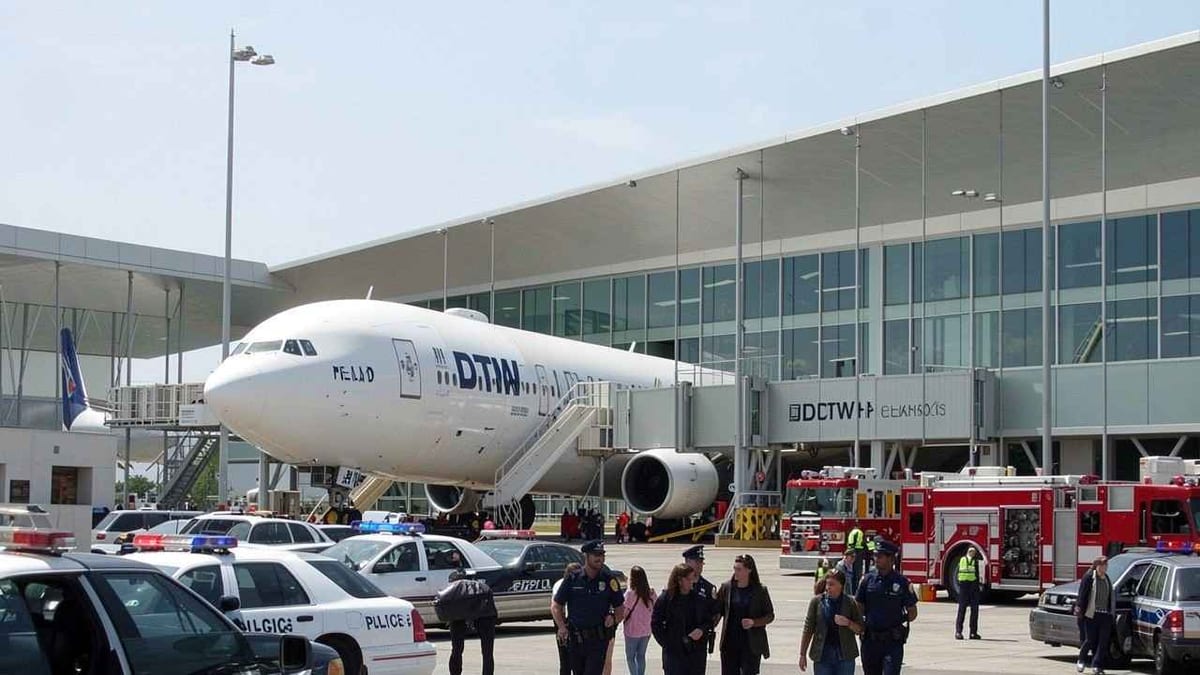
Travelers moving through Detroit Metropolitan Wayne County Airport on Friday faced another morning of disruption, with 64 flight delays and at least one cancellation reported as operational issues rippled across major domestic and Caribbean routes.
Get the latest news straight to your inbox!
Operational Snags Hit Major Carriers
Publicly available tracking data showed disruption affecting several of the airport’s largest operators, including Delta Air Lines and its regional affiliate Endeavor Air, along with Southwest and SkyWest. The pattern mirrored a broader trend of operational strain seen at Detroit in recent months, with carriers working to recover schedules after weather, crew availability and congestion in other hubs combined to slow down the system.
Delta, which maintains a major hub operation at Detroit Metro, appeared to bear a significant share of the disruption as a wave of late departures built through the morning and early afternoon. Endeavor-operated Delta Connection flights, which handle a large portion of regional traffic to and from Detroit, were among those experiencing extended ground times and revised departure estimates.
Southwest and SkyWest services were also touched by delays, particularly on busy short- and medium-haul routes where tight turnarounds leave less room to absorb upstream disruptions. As aircraft and crews arrived late from other airports, pushback times at Detroit slid later, leaving passengers waiting at gates and on board.
According to published coverage and historical data, Detroit’s role as a connecting hub increases the impact of these disruptions, as a single late inbound aircraft can cascade into multiple delayed departures over the course of a day.
Key City Pairs Affected From Detroit Hub
The day’s delays centered on several of Detroit Metro’s most important city connections, including services linking the airport with Atlanta, Chicago, Dallas, San Juan and other high-demand destinations. These routes form critical arteries for both business and leisure travelers, meaning even modest schedule disruptions can strand large numbers of passengers.
Flights operating between Detroit and Atlanta, a particularly busy domestic corridor for Delta, were among those experiencing schedule pressure. Tracking data for Detroit to Atlanta services showed altered departure and arrival times as carriers worked to re-sequence aircraft and recover punctuality across their networks.
Connections to key Midwestern and Southern hubs, including Chicago and Dallas, were also subject to knock-on effects as congestion elsewhere in the national airspace system fed into Detroit’s timetable. When inbound flights from those hubs run late, the resulting aircraft swaps, crew reassignments and gate changes can ripple through the schedule at a large connecting airport such as Detroit.
Caribbean-bound traffic, including the important Detroit to San Juan link, felt some of the strain as well. Even where flights ultimately departed, extended waits at the gate or on the taxiway added stress for travelers with tight onward connections and for those beginning long-haul journeys that already entail lengthy travel days.
At Least One Cancellation Amid Dozens of Delays
While delays accounted for the vast majority of schedule changes, at least one Detroit Metro departure was recorded as canceled in the midst of the disruption. For affected passengers, a cancellation can prove significantly more challenging than a late departure, particularly when alternative flights from Detroit are already heavily booked.
Rebooking options on popular routes such as Detroit to Atlanta, Chicago or Dallas can quickly dry up once a wave of delays and one or more cancellations appear in the system. Travelers whose journeys include onward international segments, for example through European gateways or Caribbean connections, can face missed long-haul flights and the need for overnight stays.
Airline network structures at hubs like Detroit mean that a single cancellation may reflect wider pressure on available aircraft, crews or maintenance windows. Public data and past federal reports on airline operations show that when fleets are operating close to full utilization, even relatively minor disruptions can force carriers to remove individual flights from the schedule to restore overall reliability.
Passengers caught up in these events often turn to airline apps and airport information screens, but in fast-moving situations the status of a flight can shift several times before a final outcome is clear, adding to frustration for those waiting to board.
Stranded Passengers Navigate Crowded Terminals
Within the terminals at Detroit Metro, the combination of delayed departures and a cancellation left some travelers stranded for hours. Longer-than-expected waits led to busy gate areas as passengers remained near departure boards, while food outlets and seating zones around heavily affected concourses grew noticeably more crowded.
The mix of airlines involved, from large network carriers to regional operators flying under major brands, meant that impacts were spread across both the McNamara Terminal, which hosts Delta’s hub operation and its partners, and the Evans Terminal, where a variety of other domestic and international airlines operate. For some travelers, that added an extra layer of complexity when seeking alternative options or new routings.
Publicly available information on previous disruption days at Detroit indicates that travelers connecting through the airport are particularly vulnerable to missed itineraries when delays stack up. With many flights timed to facilitate tight connections between regional jets and mainline services, even moderate ground holds can leave connecting passengers racing between gates or facing overnight stays.
Families heading to vacation destinations, business travelers on day trips and international passengers beginning longer multi-leg journeys all felt the effects as the day’s irregular operations unfolded.
Why Detroit Metro Is Susceptible to Knock-On Effects
Detroit Metropolitan Wayne County Airport functions as a key hub for Delta and its regional partners, while also serving Southwest, SkyWest and other carriers that rely on the airport’s extensive domestic and international links. That hub role helps make Detroit a powerful connecting point for the Upper Midwest, the Great Lakes region and parts of Canada, but it also leaves schedules vulnerable when weather or operational issues emerge anywhere along the network.
Federal air travel reports and historical performance data highlight how regional affiliates such as Endeavor and SkyWest, which operate many shorter routes under mainline brands, can be disproportionately affected during days of disruption. When those flights are delayed, passengers bound for larger planes to cities like Atlanta, Dallas or San Juan often find their onward connections at risk.
Industry analyses of recent seasons suggest that tight staffing levels, high aircraft utilization and continued strong passenger demand across the United States have all contributed to a fragile operational environment. In such conditions, a single day involving dozens of delays and a small number of cancellations at a hub like Detroit Metro can quickly evolve into a wider challenge for airlines and travelers across multiple regions.
For now, the day’s tally of 64 delays and one cancellation at Detroit underscores how even limited schedule disruptions can leave hundreds of travelers stranded or significantly delayed on some of the country’s most heavily used routes.