


More news on this day
Travelers moving through Los Angeles International Airport on June 26 are facing extensive disruption, with publicly available data indicating 171 flight delays and three cancellations affecting major routes to New York, London, Chicago, Sydney and other key U.S. destinations.
Get the latest news straight to your inbox!
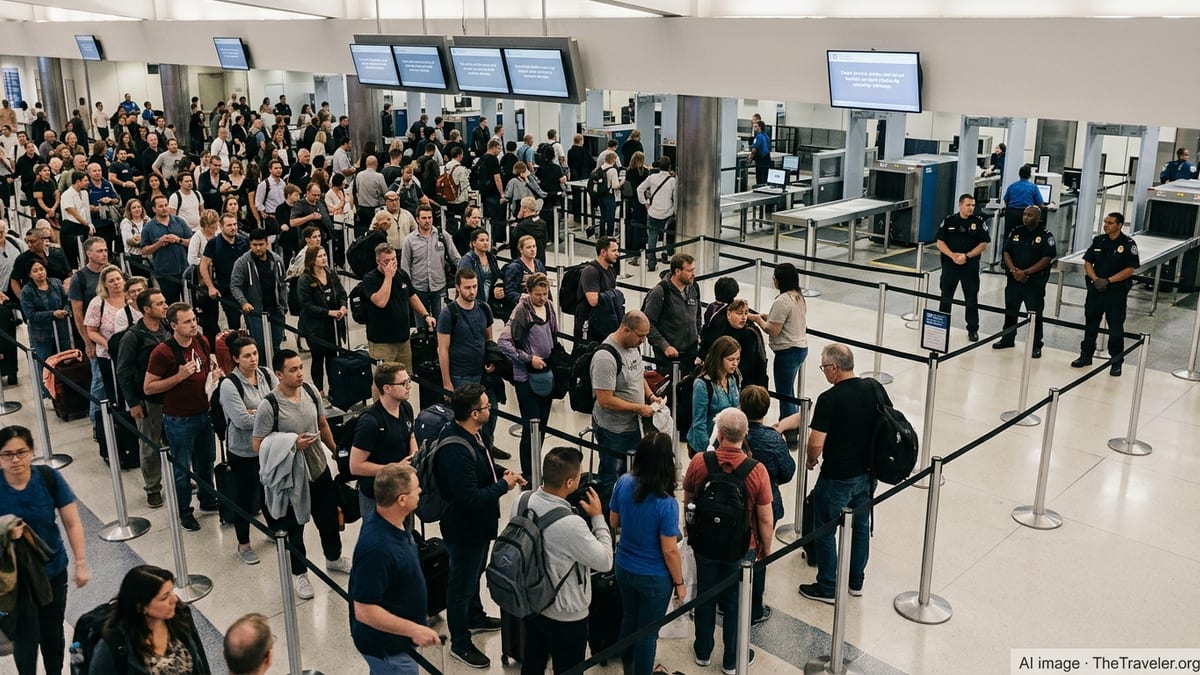
Delays Mount Across Major Carriers at LAX
Operational data from flight-tracking and airport information platforms on Friday show that Los Angeles International Airport is experiencing a pronounced spike in late departures and arrivals, leaving passengers grappling with extended wait times at terminals across the sprawling hub. The disruption is concentrated among large network carriers including United Airlines, Delta Air Lines, American Airlines and British Airways, all of which maintain substantial schedules linking LAX with domestic and long haul international cities.
In total, 171 flights are reported delayed and three have been cancelled, a level of disruption that represents a significant share of the day’s scheduled movements. While the majority of affected services are running behind schedule by under an hour, a considerable number are experiencing longer holds, especially during peak morning and early afternoon departure banks.
The delays are notable because they cut across both departures and arrivals, affecting aircraft turns and crew rotations throughout the day. Publicly accessible airport dashboards and carrier status pages indicate that the knock-on effects are being felt across multiple terminals, with concurrent congestion at security checkpoints, gate areas and baggage claim halls.
Although weather reports for Los Angeles show largely clear conditions, the elevated volume of flights associated with the busy summer travel period, combined with pressure on airline staffing and aircraft utilization, appears to be amplifying delays once they begin to accumulate.
Key Routes to New York, London, Chicago and Sydney Disrupted
The disruption at LAX is especially visible on marquee routes connecting Southern California with major global and domestic centers. Services to New York, including flights to John F. Kennedy International and other area airports, are reporting rolling departure holds and arrival delays, affecting business travelers and vacationers trying to connect onward to Europe and other regions.
Transatlantic operations are also feeling the strain. British Airways and U.S. partners serving London are recording delayed departures from Los Angeles, which in turn compress connection windows at Heathrow and other European hubs. Some travelers booked onto evening departures from LAX are being warned via airline apps and status tools to anticipate schedule adjustments and plan for possible missed onward flights.
Chicago, a key midcontinent connecting point for United and American, is likewise seeing ripple effects from the LAX slowdown. Delayed west coast departures shorten connection times for passengers transferring in Chicago to East Coast, Canada and transatlantic services, raising the prospect of rebookings and overnight stays if the day’s operations do not recover.
On the Pacific side, long haul routes involving Sydney and other Asia-Pacific gateways are exposed to even modest schedule changes in Los Angeles. Because these flights operate as part of tightly timed global rotations, delays at LAX can make it harder for carriers to position aircraft and crews for subsequent journeys, potentially affecting operations into the weekend.
Passenger Experience Strained by Terminal Crowding
Inside LAX, the operational turbulence is translating into longer lines and fuller gate areas as passengers wait out delays. Reports from traveler-facing platforms describe crowded concourses, busy airline service counters and heavier than usual demand for food, seating and charging points in terminals used by United, Delta, American and international partners such as British Airways.
With many delays announced incrementally, some customers are finding it difficult to predict the real departure time of their flights. This uncertainty is particularly challenging for families with young children, travelers with reduced mobility and passengers on tight international connections who must navigate additional security or immigration checks at their next stop.
Publicly available guidance from travel and aviation agencies continues to emphasize the importance of arriving at the airport well ahead of departure time, especially during high demand periods. For LAX, that often means arriving at least two hours before domestic flights and three hours or more before long haul international departures, though on days with widespread disruption some travelers are opting to build in even greater buffers.
The current wave of delays is also testing airline customer service infrastructure. Phone lines, chat services and airport help desks are experiencing heavier loads as travelers seek rebooking options, compensation information and updated arrival times for friends and family awaiting them at destination airports.
Operational and System Factors Behind the Disruption
Public flight status data suggests that Friday’s disruption at LAX stems from a combination of operational factors rather than a single, easily identifiable cause. Airlines are contending with packed summer schedules that leave limited slack in aircraft and crew rotations, meaning a relatively small early delay can propagate across multiple flights throughout the day.
Across the industry, staffing remains a sensitive variable, from flight and cabin crews to ground handling and maintenance teams. Any mismatch between staffing levels and the day’s operational demands can slow boarding, baggage loading, pushback and turnaround times, all of which contribute to extended delays when traffic volumes are already high.
Air traffic management constraints also play a role. While Los Angeles itself is not experiencing severe weather, congestion along busy coastal and transcontinental corridors can still trigger flow control measures, spacing requirements and holding patterns that delay arrivals and force airlines to adjust departure times from LAX. These measures are designed to maintain safety, but they can significantly disrupt tightly planned schedules.
At the same time, LAX is in the midst of a multi year modernization program that affects roadways, terminal access and airside operations. Even when construction work is proceeding as planned, temporary gate changes, ramp closures or revised taxi routes can marginally extend turn times and contribute to broader schedule instability during peak travel windows.
What Travelers Can Expect in the Coming Hours
Given the scale of Friday’s disruption, passengers scheduled to travel through LAX later in the day are being advised by publicly available airline and airport information sources to monitor their flight status frequently and build in extra time for check in and security. Rolling delays mean that a service listed as on time in the morning may still be affected if earlier flights on the same aircraft run late.
Travelers on high profile routes to New York, London, Chicago, Sydney and other long haul destinations should pay particular attention to connection times at intermediate hubs. Even a modest late departure from LAX can leave little margin for clearing immigration, rechecking bags or transferring between terminals at busy airports overseas.
For those already at the airport and facing prolonged waits, planning around the current conditions can help mitigate some of the stress. That may include adjusting ground transport pick up times at destination, using airline apps to join standby lists or alternative flights where available, and making early arrangements for lodging if misconnected flights push onward travel into the following day.
With the summer peak still building, aviation analysts expect that similar episodes of concentrated disruption may recur, particularly at major hubs such as LAX where domestic and international networks intersect. Friday’s wave of delays and cancellations highlights how quickly conditions can change for travelers and how dependent global connectivity remains on a finely balanced system of aircraft, crews and airspace capacity.