


Dubrovnik has a way of overwhelming first-time visitors. The medieval walls, marble alleys, pebbly coves and island views are packed into a compact space, yet ticket prices, cruise crowds and summer heat can make even a short stay feel intense. This guide breaks Dubrovnik down into practical 1, 2, 3 and 4 day itineraries that balance Old Town highlights, Lokrum Island, Mount Srđ, beaches, boat trips and slow moments in the shade of a stone piazza.
Get the latest updates straight to your inbox!
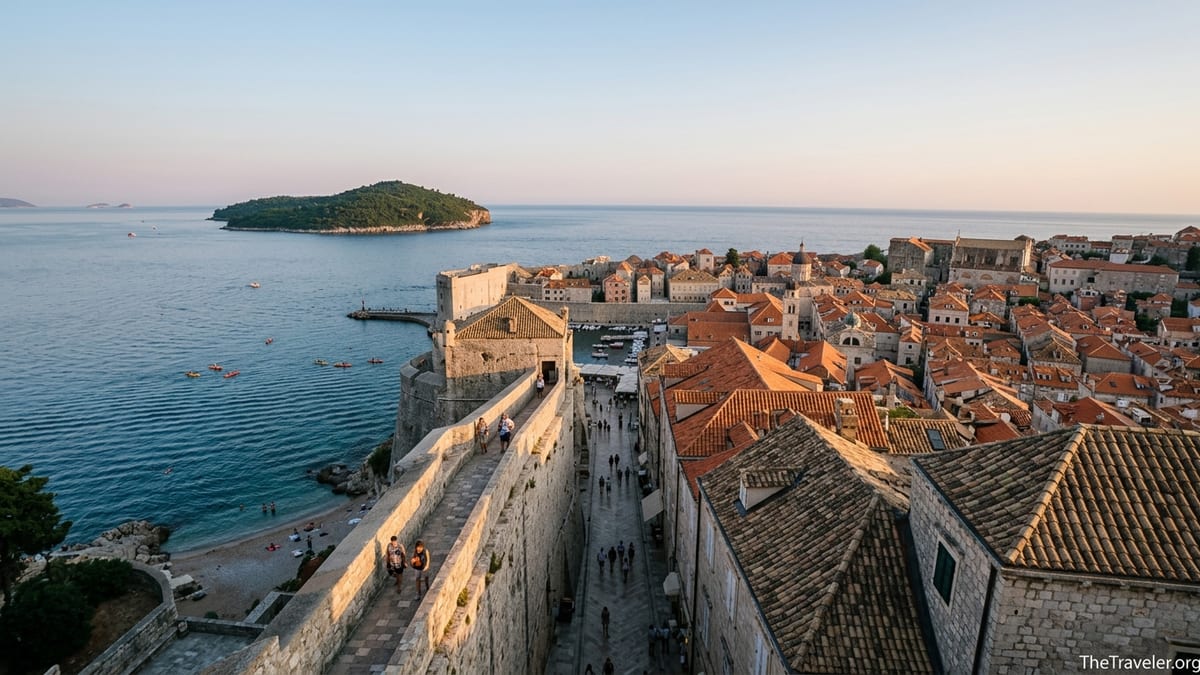
How Long to Spend in Dubrovnik and Where to Stay
If you only have one day in Dubrovnik, you can still walk the Old Town, circle the iconic walls and catch a sunset from Mount Srđ. Two days give you time to add Lokrum Island or a half day at the beach. With three days, you can mix in a short boat trip to the Elafiti islands or extra museum time. Four days allow for a more relaxed pace, longer swims and possibly a day trip to nearby Cavtat or Mljet.
For most first-time visitors, two or three full days in Dubrovnik hits the sweet spot. That is enough to see the big sights, adjust to the rhythm of the city and still have time to linger at a café on Gundulić Square instead of racing between viewpoints.
Where you stay will shape your days. Inside the Old Town walls you are steps from everything but will carry luggage over cobblestones and stairs, and prices tend to be highest. Just outside Pile Gate or in Ploče you can reach the Old Town in under ten minutes on foot and still escape some of the evening noise. Lapad and Babin Kuk, about 10–15 minutes away by local Libertas bus from Pile, offer more modern hotels, access to family-friendly beaches and slightly lower prices in high season.
If you plan to follow these itineraries closely and visit the city walls and several museums in one or two days, factor in the Dubrovnik Pass, which often costs about the same as a standalone city walls ticket but adds public bus rides and museum entries. Check the current pass price just before your trip, as it is updated regularly.
Day 1: Classic Old Town and City Walls
Start your first morning early at Pile Gate, ideally before 8:30 a.m. in July and August, to walk the Stradun while it is still quiet and shaded. Grab a simple breakfast at a bakery near the gate, such as a burek or croissant and coffee for roughly 4–6 euros, then stroll the marble boulevard, noticing the polished stone underfoot and laundry lines above the side alleys.
Head straight to the city walls when they open to avoid midday heat. Adult tickets are expensive by Croatian standards, often close to 35–40 euros, which is why many visitors opt for the 1-day Dubrovnik Pass instead. Allow 1.5 to 2 hours to complete the full loop, including time to stop at the Minčeta Fortress viewpoint and the seaside bastions facing the Adriatic. Take water, sunscreen and a hat; there is almost no shade on the ramparts and very limited opportunities to buy drinks once you are halfway around.
After the walls, drop back into the Old Town side streets to cool off. You might visit the Franciscan Monastery cloister and its historic pharmacy or the Rector’s Palace with its small but atmospheric exhibits on the Republic of Ragusa. If you bought a Dubrovnik Pass, several of these museum entries are included, which can save you 10–20 euros over paying individually in a single day.
In the late afternoon, walk out through Pile Gate and follow the coastal path around to Lovrijenac Fortress, perched on a cliff just west of the walls. Entry is typically bundled with your city walls ticket or included in the Dubrovnik Pass. From the top, you can look back over the Old Town rooftops and down to the small cove where local kayak tours depart. Finish the day with dinner at a konoba-style restaurant just outside the Old Town, where you will often find slightly lower prices on grilled fish, black risotto and local wine than on the main tourist streets inside the walls.
Day 2: Lokrum Island and Sunset on Mount Srđ
On your second day, trade city stones for greenery and sea. Make your way to Dubrovnik’s Old Port in the morning and buy a combined ferry and nature reserve ticket for Lokrum Island. In 2026, adult tickets commonly cost around 30 euros and include the 10–15 minute boat ride each way plus the island entry fee. Boats usually start around 9 a.m. in season and depart every 15–30 minutes, but exact times vary by month, so confirm the schedule the evening before.
Lokrum is car-free and mostly shaded by pine and cypress trees. Once you arrive, you can walk to the Benedictine monastery ruins, float in the small “Dead Sea” saltwater lagoon or climb up to the Napoleonic Fort Royal for panoramic views back to Dubrovnik. There are rocky swimming spots along the south side of the island; bring sturdy water shoes for getting in and out of the sea. Food and drink on Lokrum are usually more expensive than in Dubrovnik, so many visitors pack sandwiches and water from a supermarket near the Ploče or Gruž areas to keep costs down.
Return to Dubrovnik by mid-afternoon and take a break during the hottest hours, perhaps at your hotel pool or in a shaded café. Around two hours before sunset, head to the lower station of the Dubrovnik Cable Car, just above the Old Town, or consider taking a taxi or rideshare to the top if the cable car queue is long. A round-trip cable car ticket for adults is typically in the mid-20 euro range, though prices can change year by year, so always check the current rate. At the summit of Mount Srđ you will find sweeping views over the Old Town, Lokrum and the open sea, along with a restaurant terrace and the small but powerful Homeland War Museum inside the old fort.
Many travelers time their visit so they are on the terrace or at one of the rocky lookouts just as the sun sets over the Elafiti Islands. If you prefer to save money, you can hike up the marked trail from the city in about an hour, but it is steep, dusty and very exposed, so it is best tackled outside the midday heat and with proper shoes, water and a flashlight for the descent if you stay for sunset.
Day 3: Beaches, Kayaks and Island-hopping
With a third day, you can slow down and explore Dubrovnik’s coast. Start at Banje Beach, just east of the Old Town walls, which offers postcard views of the city and Lokrum. It is a mix of pebbles and coarse sand, and part of the shoreline is reserved for a beach club that charges for loungers and umbrellas, often around 20–30 euros per set in peak season. The public section is free, though more crowded. Alternatively, walk a little farther to Sveti Jakov, a scenic cove accessed by stairs with clearer water and fewer people, or head by bus to Lapad Bay, which is popular with families.
In late morning or early afternoon, consider joining a sea kayak tour that paddles under the city walls and around Lokrum. Typical trips of 2.5 to 3 hours cost roughly 35–45 euros per person, including equipment, a guide and a short stop at Betina Cave Beach or another sheltered spot for swimming. For a more relaxed option, you can rent a stand-up paddleboard directly on some beaches or stick to coastal promenades such as the one circling Lapad.
Later in the day, you might add a short island-hopping cruise. From the Gruž harbor, a variety of tour boats head out to the Elafiti Islands of Koločep, Lopud and Šipan. Full-day trips with lunch and several swim stops often run between 50 and 80 euros per adult depending on the boat size and inclusions. A typical itinerary might give you an hour to wander Koločep’s quiet paths, several hours on Lopud’s sandy Šunj Beach on the far side of the island and a final stop on Šipan to see stone villas and small chapels before cruising back to Dubrovnik by early evening.
If you would rather stay local, use the afternoon to explore the Gruž market for fresh fruit, local cheese and olive oil, then have dinner along the harbor, where restaurants generally offer views of fishing boats and ferries without the Old Town crowds. The local Libertas buses connect Gruž, Lapad and the Old Town; in 2026, a single ride bought from the driver costs around 2.50 euros, while discounted single or daily tickets purchased at kiosks are a bit cheaper. A 24-hour bus ticket is roughly in the 5–6 euro range, which can be good value if you plan multiple rides in one day.
Day 4: Day Trips and Slow Corners of the City
If you have a fourth day, you can either deepen your relationship with Dubrovnik or use the city as a base for a nearby excursion. One popular option is Cavtat, a small seaside town about 30 minutes away. You can reach it by local bus from the main station for a modest fare, usually under 5 euros each way, or by seasonal boat from Dubrovnik’s Old Port for a more scenic approach. Once there, walk the pine-fringed peninsula paths, visit the Račić family mausoleum and swim from the smooth stone platforms ringing the bay.
Another rewarding day trip, especially for nature lovers, is to Mljet National Park, though it works best if you are prepared for a long day. In high season there is usually a morning catamaran from Dubrovnik’s Gruž harbor to either Polače or Pomena on Mljet, taking around two hours. Tickets can cost roughly 20–30 euros one way depending on the route and season, followed by a national park entry ticket once you arrive near the lakes. On site, you can rent bikes, swim in the tranquil saltwater lakes and take a small boat out to the monastery on St Mary’s Island.
If you prefer to stay put, use day four to explore quieter corners of Dubrovnik. Seek out the residential lanes near the Buža sea bars on the north side of the walls, where local children still play football in the alleys. Visit the Maritime Museum inside the St John Fortress to learn how the Republic of Ragusa traded with both the Ottomans and Venetians, or spend more time in the Dominican Monastery cloister, a peaceful space often overlooked by cruise passengers.
As the day winds down, find a café or wine bar in a side street, not directly on the Stradun, to end your stay with a glass of local Dingač or Pošip. Prices will vary by venue, but expect roughly 5–8 euros for a glass of decent local wine in central areas. This is also a good moment to reflect on any last-minute purchases, such as locally made cosmetics from Croatian lavender and olive oil or small ceramics produced in nearby villages.
Practical Transport, Tickets and Money Tips
Dubrovnik is compact enough that you will likely walk most of the time, but understanding local transport can save you energy and money. The Libertas bus network connects the Old Town (Pile Gate), Lapad, Babin Kuk, Gruž harbor and outlying suburbs. As of 2026, a ticket purchased on board from the driver typically costs around 2.50 euros and is valid for one ride within the city zone. Cheaper one-hour or daily tickets are sold at Libertas kiosks near Pile, the main bus station and some larger stops, usually for around 1.70–1.80 euros for a one-hour ticket and a little over 5 euros for a daily pass.
If you expect to ride the bus several times a day between your hotel and the Old Town, a 24-hour or 3-day ticket can be better value than paying each fare separately. For example, someone staying in Babin Kuk and going into town and back twice in a day would use four single tickets; buying a daily card instead would likely save a few euros and is more convenient than paying the driver every time.
For boats, most island and excursion tickets can be bought either online ahead of time or at small ticket booths in the Old Port and Gruž harbor. Local catamarans and ferries to islands like Mljet and the Elafiti often have dynamic pricing by season and sometimes by day of the week. In July and August, it is wise to buy at least a day in advance if you have a fixed plan, as popular morning departures can fill up. Outside of peak summer, same-day tickets are usually easier to find.
Card payments are widely accepted in Dubrovnik at hotels, restaurants and major sights, though it is still useful to carry some euros in small denominations for bus tickets, ice cream, market stalls and tips. Croatia uses the euro as its currency, and ATMs are common around Pile Gate, Stradun side streets and the Gruž ferry terminal. Avoid dynamic currency conversion when given the choice on a card terminal; always opt to be charged in euros instead of your home currency.
Seasonal Considerations and Crowd-avoidance
The feel of Dubrovnik changes dramatically with the season. In July and August, daytime temperatures often climb above 30 degrees Celsius and cruise arrivals can flood the Old Town between late morning and mid-afternoon. If you visit then, structure your days with early morning and evening sightseeing, retreating to your hotel or a beach during the busiest, hottest hours.
In shoulder seasons such as late April to early June and September to early October, the weather is usually warm enough for swimming, yet crowds and prices are slightly lower. You may find shorter opening hours on some attractions and fewer daily boat departures, but overall the experience is often more relaxed. In winter, some hotels and restaurants close and island ferries run less frequently, though the Old Town itself remains atmospheric and far quieter.
To avoid feeling overwhelmed, pay attention to cruise schedules posted around town or mentioned by hotel staff. On days when two large ships are in port, plan to walk the city walls either when they first open or late in the afternoon, and consider scheduling indoor visits or a trip to Lapad or Cavtat at peak cruise times. Booking key tickets such as the cable car or full-day boat trips at least a day ahead also reduces disappointment if a departure sells out.
Finally, be realistic about pacing. The Old Town is built on steps and slopes, and even short distances can feel tiring in the heat. It is better to fully enjoy the walls, one or two museums and a quiet drink by the harbor than to rush through every church and fortress on a checklist. Factor in at least one long sit-down lunch or coffee break each day, both for comfort and for the pleasure of watching Dubrovnik life swirl around you.
FAQ
Q1. Is one day in Dubrovnik enough to see the main sights?
One day is enough to walk the Old Town, circle the city walls and catch a sunset viewpoint, but you will not have time for Lokrum, a beach afternoon and a boat trip. If you are limited to a single day, prioritize the walls, Stradun, one or two key churches or monasteries and either Mount Srđ or a quick swim at Banje Beach.
Q2. Should I buy the Dubrovnik Pass or individual tickets?
If you plan to walk the city walls and visit at least one or two museums or galleries in a single day, the Dubrovnik Pass is often better value than separate tickets and includes local bus transport. If you only want the walls and do not care about museums or buses, buying a single city walls ticket can be fine. Compare the current pass price with the walls ticket just before your trip, as they change over time.
Q3. How much should I budget per day for sightseeing in Dubrovnik?
Sightseeing budgets vary, but many visitors spend roughly 50–80 euros per person per day on activities in peak season, covering the city walls, a cable car ride or boat trip, museum entries and public transport. You can spend less by choosing one major paid attraction per day and filling the rest of your time with free walks, beaches and viewpoints.
Q4. Is Lokrum Island worth visiting if I only have two days?
Yes, Lokrum is one of the easiest ways to escape crowds and heat without a long journey. The combined ferry and nature reserve ticket is not cheap, but the island offers shade, swimming spots, peacocks, botanical gardens and views back to Dubrovnik in a compact half-day. With two days, you can usually fit Lokrum in one morning and the city walls on the other day.
Q5. What is the best area to stay in for a short visit?
For a one or two night stay focused on sightseeing, the Old Town or just outside Pile Gate is most convenient, putting you within a few minutes’ walk of the walls, museums and restaurants. If you prefer more space and easier beach access, Lapad or Babin Kuk work well and are still only a short bus ride from the Old Town.
Q6. How crowded are the Dubrovnik city walls in summer?
In July and August, the walls can be very busy from about 10 a.m. to mid-afternoon, especially on heavy cruise ship days. Expect narrow sections to slow to a shuffle at times. To avoid this, start as soon as they open in the morning, or walk in the last two hours before closing when the light is softer and tour groups have gone.
Q7. Can I swim in Dubrovnik without paying for a beach club?
Yes, there are several free-access swimming areas around the city. Parts of Banje Beach are public, as are the rocky platforms near the Buža sea bars and many spots around Lapad Bay and Sveti Jakov. You only pay if you want sunbeds, umbrellas or beach club services. Bring water shoes to make entering the sea over pebbles and rocks more comfortable.
Q8. Do I need to book boat trips and the cable car in advance?
In peak season it is sensible to book popular activities at least a day ahead, especially full-day Elafiti cruises, smaller kayak tours and sunset cable car rides. Outside July and August, same-day bookings are often fine, but checking the next day’s schedules and reserving in the evening gives you more flexibility and reduces the risk of sold-out departures.
Q9. Is Dubrovnik walkable for travelers with limited mobility?
Dubrovnik’s Old Town has many steps, uneven stone surfaces and steep side streets, which can be challenging for travelers with mobility issues. The main Stradun is flat and relatively smooth, and some viewpoints are accessible without major climbs, but many attractions require stairs. Staying outside the Old Town in areas with better vehicle access and flatter promenades, such as parts of Lapad, can make things easier.
Q10. What is the best time of year to visit Dubrovnik for a relaxed pace?
Late April to early June and mid-September to early October generally offer a good balance of pleasant weather, open services and manageable crowds. Sea temperatures are usually warm enough for swimming from around late May into October, but prices and visitor numbers are lower than in high summer. Winter brings a quieter, more local atmosphere, though some island services and seasonal restaurants close.