


Choosing where to stay in Dubrovnik can feel overwhelming. The city’s compact size hides a surprising variety of neighborhoods, from stone houses within the medieval walls to modern beach hotels and quiet seaside villages. This guide compares Dubrovnik’s key areas – Old Town, Pile, Ploče, Lapad, Babin Kuk, Gruž and Cavtat – by views, prices, stairs, beaches, cruise port access and transport, with concrete examples to help you pick the right base.
Get the latest updates straight to your inbox!
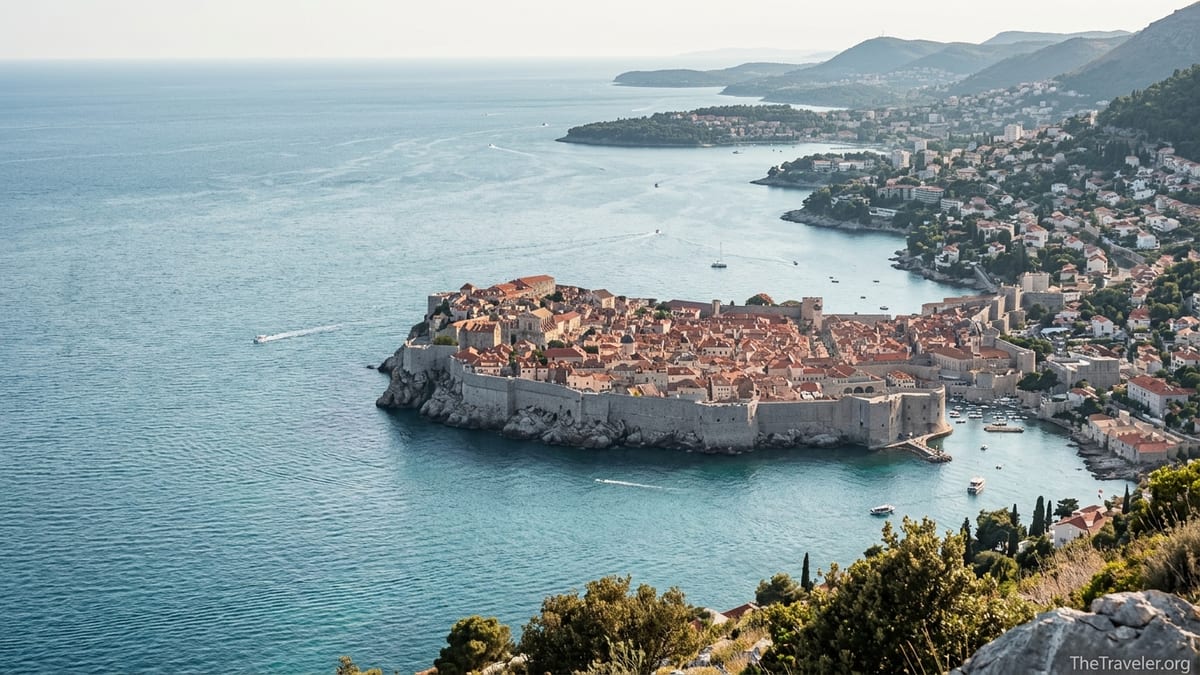
How Dubrovnik’s Areas Compare at a Glance
First-time visitors are often surprised that Dubrovnik’s famous old town is only one small part of the wider city. Most hotels are actually outside the walls, spread along the coast and around the working harbour. Where you stay will shape your experience far more than in many European cities, simply because of the hills, stairs and summer crowds.
In peak season, a simple room inside the walls can start around 150 to 200 euros per night, while comfortable rooms in Lapad or Gruž can be closer to 90 to 130 euros for the same dates. Prices change quickly with demand, but the pattern is consistent: the closer you are to the old town and the best views, the more you pay. Many visitors compromise by sleeping in a quieter or more affordable district, then riding the bus or boat into the historic center.
Stairs are another factor that is easy to underestimate on a map. Large parts of Old Town, Pile and Ploče climb steeply away from the sea. It is common to find guesthouses where you must climb 50 to 100 steps from street to front door, then more inside. By contrast, Lapad’s Uvala promenade and much of Babin Kuk are relatively flat and suitable for travelers with mobility concerns or families pushing strollers.
Transport is straightforward but not always fast. Dubrovnik has no trams or metro; local operator Libertas runs orange buses that fan out from the Old Town’s Pile Gate and the main bus station in Gruž. Buses from Lapad and Babin Kuk to Pile typically take about 10 to 15 minutes in light traffic, but this can stretch during busy cruise days. Cavtat, further along the coast, relies on boats and regional buses rather than city services, which changes how you plan each day.
Old Town: Atmosphere, Stairs and Late-Night Charm
Staying inside Dubrovnik’s UNESCO-listed walls is the dream scenario for many travelers. You wake up among baroque churches and stone alleys, step straight onto Stradun before the cruise crowds arrive, and wander home on foot after dinner or a late drink. Accommodation here is almost entirely boutique hotels, small inns and private rooms in historic houses rather than big resorts.
The trade-offs are price, stairs and noise. Space is limited, so even simple doubles can run well above 150 euros in July and August. Many guesthouses sit up narrow lanes that climb sharply from Stradun; it is normal to haul luggage up dozens of steps. If you choose a renovated apartment off streets like Prijeko or near Buža Bar, expect to trade sea views for a lot of climbing. This is part of the charm for some, but can be difficult for anyone with knee issues or heavy bags.
There is no direct beach inside the walls, although you can reach nearby swimming spots in minutes. The small stone platforms under the sea gates and the cliffside Buža bars are popular for quick dips, while the main sand-and-pebble options like Banje Beach and Šulić Beach sit just outside the gates. If daily swimming is a priority, Old Town works best if you are comfortable walking 10 to 15 minutes each way and climbing back up afterward.
Old Town suits travelers who value immersion over convenience: couples wanting a romantic atmosphere, history enthusiasts who will spend hours touring the walls and museums, and photographers who enjoy early-morning and late-night access. If you plan to take frequent day trips by bus or ferry, be prepared for regular walks to Pile Gate or the old harbor, as cars and tour buses cannot enter the streets inside the walls.
Pile: Gateway to the Walls and a Practical Base
Immediately west of the Old Town, Pile centers on the main gate and the busy traffic circle where most city buses arrive. Staying here means you are just outside the walls but with easier vehicle access, making it a practical compromise for visitors who want quick entry to the old town without sleeping amid the tightest crowds.
Pile’s accommodation mix ranges from mid-range hotels to small guesthouses tucked onto the steep lanes above the main road. Properties closer to the sea and the small cove of Šulić Beach often involve steep walks but reward you with dramatic views of Fort Lovrijenac and the city walls. A typical mid-range room here might be slightly cheaper than an equivalent option inside the walls, but you are still paying a premium for proximity.
Traffic and bus stops make Pile one of the city’s busiest corners, especially on days when several cruise ships are in port and shuttle buses are dropping passengers at the gate. The advantage is that you rarely wait long for a bus toward Lapad, Babin Kuk or Gruž, and taxis find it easy to drop you off near your door. The drawback is noise and congestion in high season, with coaches idling and groups forming for walking tours.
Pile works well for short stays of two or three nights, particularly if you want to see the main sights, walk the walls, and maybe take a ferry to Lokrum Island. You can swim at Šulić Beach or walk around to the more developed Banje Beach in about 15 to 20 minutes. Expect some stairs if you choose a room with the best views, but the overall elevation is slightly less punishing than the steepest corners of the Old Town itself.
Ploče: Big Views, Beach Access and Higher Prices
On the opposite side of the Old Town, the Ploče district stretches uphill along the coastal road toward the cable car station. This is one of Dubrovnik’s most scenic hotel areas, with several long-established properties lining up terraces that look directly across the water to the old walls and Lokrum Island. Many of the city’s classic postcard views are effectively taken from Ploče’s perspective.
The premium setting comes at a cost. Ploče hotels are often among the priciest in the city, especially those with private terraces or infinity pools overlooking the harbor. Rooms in large seafront properties can be significantly more expensive than similar categories in Lapad or Gruž, particularly in July and August. On the other hand, you are within a 5 to 10 minute downhill walk to the Ploče Gate, and only a little farther to the lower cable car station for sunset trips to Mount Srđ.
Ploče is a top choice if you want a blend of beach and city. Banje Beach, one of Dubrovnik’s best-known stretches of pebbles and sand, sits just below the coastal road, with sunbed rentals, beach clubs and direct views of the walls. Beyond it, smaller coves and platforms offer quieter swimming spots. The climb back to your hotel can be steep, though there are some properties on or just above the main road that involve fewer steps than those high on the hillside.
This area suits travelers comfortable with higher budgets who prioritize views and easy access to both the Old Town and the beach. It is especially popular with couples on special trips and guests who plan to spend time relaxing by the hotel pool rather than exploring all day. If you are sensitive to noise, check whether your chosen hotel hosts weddings or events in summer, as music can carry across the bay.
Lapad & Babin Kuk: Beaches, Space and Better Value
West of the historic center, the Lapad peninsula and its northern extension Babin Kuk form Dubrovnik’s main resort zone. Here you find a long seafront promenade, family-friendly beaches, and a cluster of larger hotels and apartment buildings. For many visitors, this area strikes the best balance between price, comfort and access to the Old Town.
Uvala Lapad, the main bay, is lined with hotels, restaurants and cafes, with a mostly pedestrian promenade behind the beach. The terrain is notably flatter than in the Old Town or Ploče, making it easier for families, older travelers and anyone pushing a stroller. Pebble beaches and concrete bathing platforms run along the shore, and several hotels maintain pools and sunbed decks above the water. A mid-range double in Lapad often costs less than an equivalent room closer to the walls, even in peak weeks.
Babin Kuk, at the tip of the peninsula, is home to several large modern hotels and beachfront complexes. Here you gain more greenery, wider paths and access to beaches such as Copacabana and Coral, which are popular with both guests and locals. The area feels more like a self-contained resort than a traditional neighborhood, with on-site restaurants, beach clubs and rental activities. It suits travelers who want an easy holiday with frequent swimming and sunbathing, and who are happy to take the bus in for sightseeing.
Transport from Lapad and Babin Kuk to the Old Town is relatively simple. Buses run frequently from stops along the main roads, often taking 10 to 15 minutes to reach Pile Gate in low traffic. In high season, allow extra time as the roads can be busy, especially when multiple cruise ships are in port. For example, guests staying near Uvala Lapad commonly walk a few minutes to major stops like the post office in Lapad to catch buses that go straight toward the city walls.
Gruž: Cruise Port Access and Everyday Dubrovnik
Gruž is Dubrovnik’s working harbour, about 2 to 3 kilometers northwest of the Old Town. This is where most large cruise ships dock and where ferries arrive from other Croatian ports and nearby islands. The main intercity bus station also sits here, making Gruž a practical choice for travelers focusing on day trips or arriving by coach or ferry.
The area feels more local and less polished than Lapad or Ploče. You will see supermarkets, bakeries, car rental offices and everyday apartment blocks mixed with smaller hotels and guesthouses. Accommodation here is generally more affordable than in seafront districts, with mid-range rooms often noticeably cheaper than those inside or directly overlooking the Old Town. Some properties on the slopes above the harbor offer sweeping views across the bay in exchange for walking up and down hills or stairs.
From Gruž, buses to Pile Gate typically take around 10 minutes in light traffic, which makes it convenient for sightseeing. At busy times, the road can clog with port traffic and tour coaches, so build in a buffer if you have timed entries or dinner reservations. For cruise passengers who want to stay overnight before or after a sailing, Gruž makes logistics easy: you can walk or take a short taxi ride to the ship in the morning without worrying about cross-town traffic.
Gruž is not a classic beach destination, but you can quickly reach Lapad’s promenades and swimming spots by bus or taxi. It suits budget-conscious travelers, visitors combining Dubrovnik with island hopping, and anyone who prefers a neighborhood with a more everyday feel and easier access to large supermarkets and practical services. If you choose a property close to the bus station, check recent reviews for noise from early-morning departures and port operations.
Cavtat: Quieter Seaside Base with Boat Access
About 20 kilometers south of Dubrovnik, Cavtat is a small coastal town that many travelers use as a quieter base. With its pine-fringed promenades, stone waterfront houses and calmer pace, it appeals to visitors who find Dubrovnik’s prices and crowds challenging, especially in high summer.
Accommodation in Cavtat is a mix of small hotels, guesthouses and private apartments. Prices can be lower than in central Dubrovnik for comparable quality, particularly outside the highest-demand weeks. You also gain easier access to small beaches and swimming platforms around the peninsula, often only a few minutes’ walk from your door. The trade-off is that you give up the ability to stroll to Dubrovnik’s Old Town in return for more space and a village feel.
Transport between Cavtat and Dubrovnik centers on boats and regional buses. In season, regular boat services run from Cavtat’s harbor to the Old Town’s old port, often taking around 45 minutes each way and offering a scenic approach past the city walls. Buses are usually somewhat faster but less picturesque, traveling inland to a stop near the city. Travelers who choose Cavtat as a base often plan fewer but longer trips into Dubrovnik, perhaps spending one full day exploring the Old Town and another focused on museums or the city walls.
Cavtat suits repeat visitors who have already spent time in Dubrovnik itself, couples and families who prefer evenings in a quieter town, and travelers who are combining the southern Dalmatian coast with trips to Montenegro or Konavle. When comparing prices, consider the cost and schedule of boat or bus tickets, especially if you plan to visit Dubrovnik several times during your stay.
Views, Stairs, Beaches and Transport: Choosing What Matters Most
To decide where to stay, start by ranking your priorities. If you imagine opening your window to stone alleys and church bells, focus on the Old Town and Pile. If your priority is waking up by the sea and swimming every day, Lapad, Babin Kuk and Ploče will make more sense. For a quieter and more local feel with good transport, consider Gruž, and for a retreat-like atmosphere look at Cavtat.
Views usually come with elevation. Rooms high above Ploče or on the hills above Gruž offer sweeping panoramas of the walls and harbor but demand a tolerance for climbing. In contrast, beachfront hotels in Lapad and Babin Kuk provide sea views from a flatter base, trading direct vistas of the Old Town for easier walking. When reading property descriptions, pay attention to phrases like “sea view on the upper floors” or “located on a hillside,” which often imply steps or steep approaches.
Beach access differs sharply between areas. Banje Beach and Šulić Beach are the closest options to the Old Town, but both involve walks and, in Banje’s case, a steep set of steps down to the sand and back up. Lapad and Babin Kuk have longer, more developed waterfronts with promenades, shallow-entry pebble beaches, and more space to spread out. Cavtat provides several small coves and swimming platforms spread around its two peninsulas, rarely more than a ten-minute stroll from accommodation in the compact center.
Transport questions are especially important in high season when crowds and traffic add delays. If you stay in Lapad or Babin Kuk, expect to rely on buses into the Old Town and plan for extra time when cruise ships are in port. Gruž is the most practical base for early-morning trips to the islands or other Croatian cities, thanks to its ferry and bus terminals. Cavtat requires a mindset shift: instead of dropping into the Old Town for an hour, you will likely plan full-day or half-day visits, timed around boat and bus schedules.
The Takeaway
No single district is objectively “best” in Dubrovnik. The ideal base depends on how you like to travel, your budget and how much you want to walk or climb. Staying inside the walls offers unrivaled atmosphere but brings stairs, noise and higher prices. Pile and Ploče place you on the doorstep of the Old Town with varying mixes of views, beach access and elevation.
Lapad and Babin Kuk deliver the classic Croatian holiday combination of sea, sun and relatively easy walking, with better-value rooms and families paddling in the shallows by day. Gruž anchors the city’s transport network and cruise port, making it a sensible choice for travelers who prioritize connections and local services over proximity to the walls. Cavtat, finally, is a gentle alternative for those willing to trade instant access to Dubrovnik’s lanes for quieter nights and a village atmosphere.
When you compare options, picture your typical day. If you see yourself slipping out at dawn to photograph empty streets, staying inside the Old Town or at Pile might be worth the cost. If your ideal morning involves a coffee on a hotel terrace above the sea before a swim, Lapad, Babin Kuk or Ploče will feel more natural. By matching your base to your habits, you can enjoy the best of Dubrovnik without feeling trapped by crowds, hills or schedules.
FAQ
Q1. What is the best area to stay in Dubrovnik for first-time visitors?
For a short first visit focused on sightseeing, staying inside the Old Town or just outside at Pile or Ploče works best, as you can walk to the main landmarks and avoid relying on buses for every outing.
Q2. Which Dubrovnik neighborhood is most affordable but still convenient?
Gruž and parts of Lapad typically offer better-value rooms than the Old Town or Ploče, while still being within a 10 to 15 minute bus ride of Pile Gate and the city walls.
Q3. Where should I stay in Dubrovnik for the best beaches?
Lapad and Babin Kuk are ideal for beach-focused stays, with several pebble beaches and bathing platforms along the promenade, while Ploče is best if you want quick access to Banje Beach near the Old Town.
Q4. Is staying inside Dubrovnik’s Old Town suitable for people with mobility issues?
Often it is not ideal, because many streets and guesthouses involve significant stairs and steep alleys; flatter options in Lapad, Babin Kuk or near the lower parts of Pile are usually more comfortable.
Q5. How far is the cruise port in Gruž from the Old Town?
The main cruise port in Gruž is roughly 2 to 3 kilometers from the Old Town, usually a 10 to 15 minute bus or taxi ride in light traffic, though it can take longer when several ships are in port.
Q6. Is Cavtat too far away for visiting Dubrovnik’s Old Town?
Cavtat is around 20 kilometers from Dubrovnik, but regular boats and buses mean you can still visit for full or half days; it is less suited to quick, repeated pop-ins to the Old Town.
Q7. Do I need a car in Dubrovnik to get around these areas?
Most visitors manage without a car, using buses, boats and walking; a car can be useful for regional day trips but parking near the Old Town is limited and often expensive.
Q8. Which area is best if I plan a lot of island or ferry trips?
Gruž is the most practical base for island hopping and ferries, since the main harbour and bus station are located there, reducing the need for early taxi rides across town.
Q9. Where should families with children stay in Dubrovnik?
Families often prefer Lapad or Babin Kuk for their flatter promenades, family-friendly beaches, playgrounds and larger hotel rooms, while still having straightforward bus access to the Old Town.
Q10. Which Dubrovnik area offers the best views of the Old Town walls?
Ploče and some hilltop properties above the Old Town and Gruž provide the most iconic views of the walls and Lokrum Island, though they usually involve steeper climbs and higher room prices.