


More news on this day
Passengers experienced significant delays at Gibraltar International Airport after reports indicated that Gibraltar Borders and Coastguard (GBC) was instructed not to use electronic passport gates, forcing all arrivals through manual border checks.
Get the latest news straight to your inbox!
E-gates Taken Offline Amid Technical Concerns
According to publicly available local coverage, electronic passport gates at Gibraltar International Airport were recently taken out of operation following instructions issued to Gibraltar Borders and Coastguard. The reported directive meant that e-gates, which normally automate identity and document checks for eligible travellers, remained idle while officers processed passengers at staffed booths.
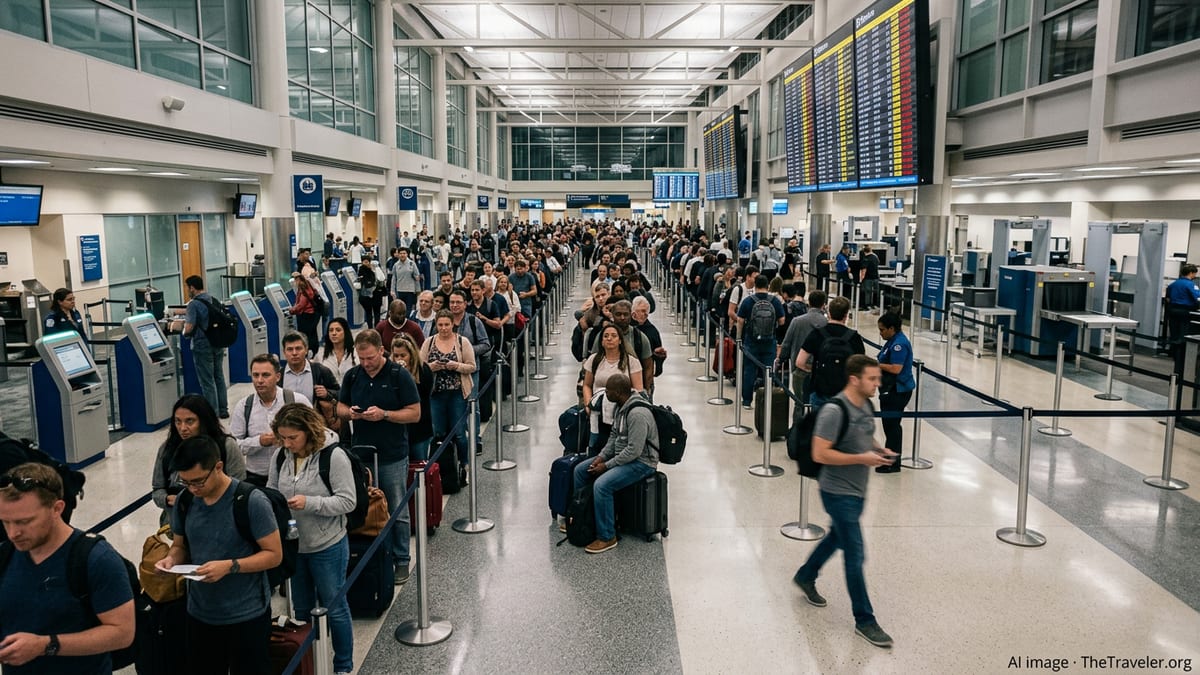
The issue surfaced as arriving passengers described unusually long queues at the small but busy terminal, particularly following peak inbound services from the United Kingdom. With e-gates inactive, each passenger was required to undergo a full manual inspection, increasing overall processing times and contributing to congestion in the arrivals hall.
Gibraltar’s e-gates form part of a broader move across European and UK-adjacent airports to modernise border control and reduce waiting times. When they operate as intended, the gates use facial recognition and biometric passport data to complete checks in seconds. Their temporary withdrawal from service, therefore, had an immediate and visible effect on passenger flow.
Published information did not immediately clarify whether the instruction to halt use of the e-gates was tied to a specific technical fault, a software configuration issue, or wider concerns about data handling and connectivity with external systems. Local reports framed the suspension as precautionary, pending further checks and guidance.
Knock-on Impact on Queues and Passenger Experience
Reports from recent arrivals indicated that queues at border control built up quickly once the e-gates were no longer in use. At peak times, the number of passengers emerging from a single inbound flight outstripped the manual processing capacity of the staffed desks, leaving lines extending back toward the baggage reclaim area.
Travellers described waiting significantly longer than usual to clear the border, with families and elderly passengers particularly affected by the slower throughput. While delays varied depending on the time of day and number of concurrent arrivals, accounts pointed to a clear deterioration in processing times compared with typical operations when the automated system is available.
Industry analysis of previous e-gate outages in other European airports has shown that switching from automated to fully manual checks can reduce hourly throughput by hundreds of passengers. Gibraltar’s terminal, already constrained by its compact size and runway configuration, appears to have felt similar pressure as staff attempted to manage flows using traditional inspection booths alone.
Airlines serving the route reportedly advised passengers to allow additional time when arriving or departing, particularly at busy weekend and holiday periods. However, publicly available information did not indicate any large-scale flight cancellations directly linked to the situation, suggesting that the impact was primarily on time spent in queues rather than on the flight schedule itself.
Broader Context of E-gate Reliability and Border Technology
The disruption at Gibraltar comes against a wider backdrop of intermittent e-gate issues across Europe in recent years. Nationwide software faults, central database outages, and configuration changes have periodically forced airports in the United Kingdom and other countries to close automated lanes and revert to manual checks.
Travel industry observers note that e-gates sit at the intersection of hardware, biometric algorithms, and highly regulated border databases. Even minor faults or connectivity problems can require a full system suspension until the cause is identified and rectified. As a result, airports have been advised to maintain flexible staffing plans to absorb sudden shifts from automated to manual processing.
Gibraltar’s strategic position at the gateway between the Iberian Peninsula and the wider Mediterranean also places it near the evolving European Entry/Exit System, which is gradually reshaping how non-EU travellers are registered on arrival and departure at many border points. While Gibraltar’s exact alignment with these systems is the subject of ongoing political and technical discussions, the local e-gate pause highlights the challenges of integrating small airports into a rapidly changing border technology landscape.
Transport analysts point out that even short-term disruptions can influence traveller perceptions of a destination’s accessibility, particularly during the busy summer season. As more passengers come to expect automated processing, outages and suspensions risk standing out more sharply than comparable delays at traditional passport desks.
Response Measures and Next Steps for Travellers
Publicly available information indicates that, in the short term, Gibraltar’s border officials have relied on standard contingency plans, including opening all staffed booths, prioritising vulnerable passengers where possible, and adjusting queuing layouts to keep flows moving. There have been no indications in the public domain of any security compromise, with the focus resting instead on convenience and waiting times.
Air travel guidance generally recommends that passengers facing potential e-gate disruptions build additional time into their journey, particularly when connecting onward by road or sea from the airport. In practice, this means arriving on the early side of airline check-in recommendations and allowing for a longer-than-usual wait at passport control on arrival.
For Gibraltar-bound travellers in the coming days, travel experts suggest monitoring airline communications and local news updates before departure. While there has been no formal public timeline for restoring full e-gate operations, similar suspensions at other airports have typically been resolved once software patches, system checks, or clarifications on operating procedures were completed.
In the longer term, observers expect that the experience will feed into Gibraltar’s broader review of its border technology strategy. Balancing the efficiency gains of automation with the need for resilience when systems fail remains a central challenge for airports worldwide, and the recent delays have underlined how quickly that balance can shift when e-gates are taken out of service.