


More news on this day
Passengers flying through Edinburgh Airport in recent days have faced mounting disruption, as fuel supply problems and knock-on operational issues trigger delays for services operated by easyJet, Jet2, Ryanair and other airlines at the start of the busy summer season.
Get the latest news straight to your inbox!
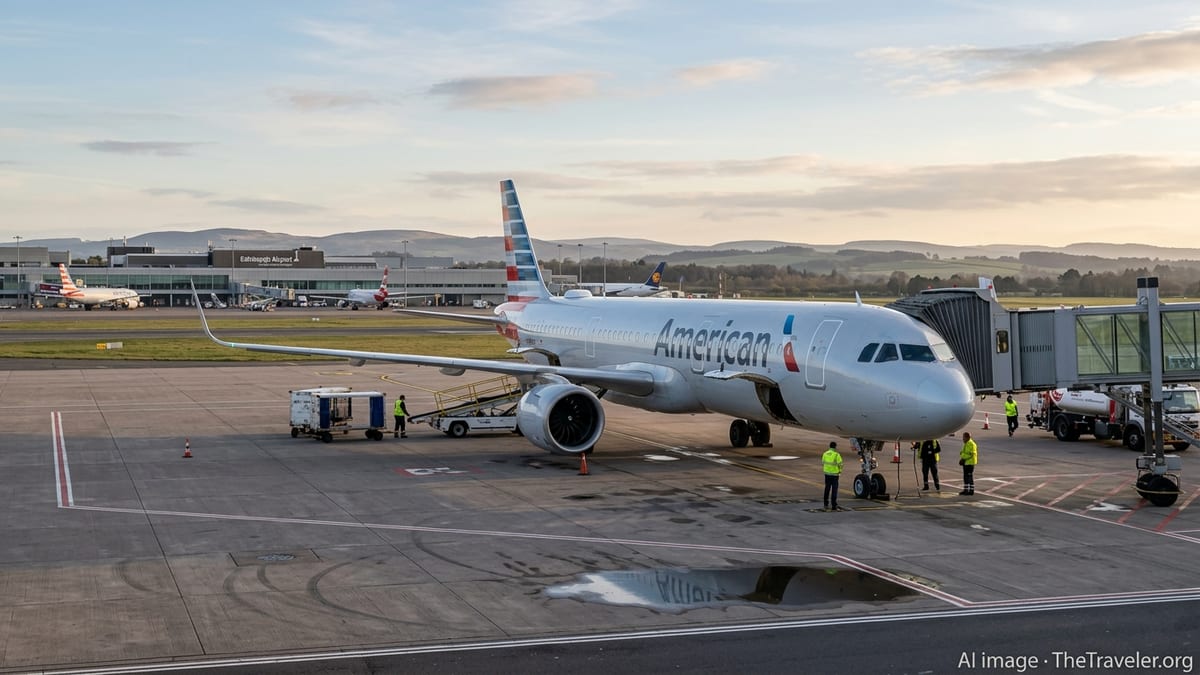
Fuel supply constraints disrupt early summer schedules
Reports from early June indicate that fuel supply issues at Edinburgh Airport have created pressure across the flight schedule, particularly for carriers with dense summer timetables such as easyJet, Jet2 and Ryanair. Publicly available commentary points to a combination of limited fuel availability and logistical bottlenecks in refuelling, which have slowed aircraft turnaround times at the Scottish hub.
According to recent travel coverage focusing on the situation at Edinburgh, some departing services have left significantly later than planned as late-arriving aircraft wait for refuelling slots. The resulting congestion has been most visible on short-haul leisure routes, where aircraft are scheduled to operate multiple rotations per day and any delay can quickly cascade through the network.
Industry analysis of airport disruption more broadly suggests that fuel problems rarely occur in isolation. When supply is tight, airlines may need to adjust uplift volumes or tanker fuel from other airports, which can complicate load planning and add further time on the ground. At an airport where budget carriers already operate on tight margins and quick turnarounds, even modest delays at the stand can lead to rolling schedule changes throughout the day.
Edinburgh Airport has not issued detailed public breakdowns of individual delays, but its general travel advisories continue to urge passengers to check directly with airlines for the latest flight information. This reflects a wider pattern across the European aviation network, where airports emphasise that day-to-day operational control of flights sits with the carriers themselves.
easyJet, Jet2 and Ryanair among most affected carriers
As major operators at Edinburgh Airport, easyJet, Jet2 and Ryanair have been prominently featured in accounts of recent disruption. Publicly shared travel experiences describe delayed departures across a range of sun and city-break routes, including flights to popular Mediterranean destinations that are central to these airlines’ summer offerings.
Data from independent flight-tracking and schedule platforms show that selected departures operated by these carriers from Edinburgh in early and mid June have pushed back later than scheduled, in some cases after inbound aircraft or refuelling tasks ran behind plan. While not every flight has been affected, the pattern of delay has been frequent enough for passengers to share warnings about potential disruption on social platforms and travel forums.
For easyJet and Jet2, both of which use Edinburgh as a key base for leisure traffic, these interruptions come at a time of strong seasonal demand. Aviation market reports highlight record or near-record passenger volumes at the airport in recent quarters, indicating that aircraft and infrastructure are already operating close to capacity. In this environment, any localised issue with fuel, ground handling or stand availability can quickly be felt across multiple services in a single day.
Ryanair, which also maintains a significant presence at Edinburgh, has faced similar schedule pressures. Publicly available information from recent timetable adjustments suggests the airline, like its rivals, is building in additional buffer where possible, but remains exposed to disruption when refuelling queues or late inbound arrivals intersect with already busy slot patterns.
IT and air traffic control problems add to passenger frustration
The latest fuel-related delays follow a series of technology and air traffic control disruptions that have affected Edinburgh Airport over the past year, contributing to a perception among some travellers that reliability has come under strain. In late 2025, published coverage documented an IT issue affecting the airport’s air traffic control service provider, temporarily halting arrivals and departures and causing further cancellations and knock-on delays.
Earlier industry updates have also drawn attention to separate technical problems within the wider UK air traffic control network, which briefly impacted flights to and from multiple airports, including Edinburgh. While those issues were ultimately resolved and traffic returned to normal, the episodes underlined how dependent modern airport operations are on complex digital systems, and how quickly an outage can translate into queues, missed connections and disrupted holiday plans.
For passengers, the combined effect of fuel constraints, IT glitches and air traffic control interruptions can be difficult to untangle. Travellers often encounter the disruption only as a delayed or cancelled flight, with the underlying causes split between airport infrastructure, airline operations and national systems. Recent commentary from aviation analysts stresses that, in such multi-factor scenarios, slow recovery can be just as challenging as the initial outage, particularly at airports that are already running at close to their peak capacity.
In Edinburgh’s case, feedback from frequent flyers and airport staff shared in public forums portrays a facility that has invested in security and front-of-house improvements, but continues to face pressure in areas such as stands, ground handling and baggage, all of which are sensitive to wider system shocks.
Passengers face longer queues, late-night arrivals and compensation questions
The delays at Edinburgh have translated into longer waits at departure gates, late-night arrivals and, in some instances, missed onward travel plans. Publicly visible social media posts and forum discussions describe passengers waiting in congested departure areas while flights awaited fuel or inbound aircraft, as well as families arriving hours behind schedule at Mediterranean and European destinations.
These experiences have revived questions about passenger rights and eligibility for compensation under European and UK regulations. Travel advice outlets note that whether compensation is payable often depends on the specific cause of a delay. If an airline can demonstrate that disruption was driven by extraordinary circumstances such as external fuel supply problems or national air traffic control outages, compensation may not be due, even when journeys are heavily disrupted.
However, consumer advocates frequently point out that not all operational difficulties qualify as extraordinary, and that passengers may have grounds to challenge rejections, particularly where inbound delays, crew rostering or other airline-controlled factors contribute to extended disruption. Recent online discussions related to Edinburgh flights show travellers weighing up whether to pursue formal claims when their services have been pushed back by several hours.
Alongside financial considerations, there are practical impacts. Travellers arriving late in the evening have reported difficulties with onward surface transport and accommodation check-ins, while those departing from Edinburgh during peak times have described concerns about making tight connections to separately booked flights elsewhere in Europe.
Advice for travellers using Edinburgh Airport in the coming weeks
With the main summer holiday period approaching, travel experts recommend that passengers using Edinburgh build extra resilience into their plans. Public guidance from airlines and airports typically advises arriving with sufficient time for check-in and security, monitoring flight status closely in the 24 hours before departure, and remaining alert to gate or schedule changes on the day of travel.
Given the recent pattern of delays, passengers booked on easyJet, Jet2, Ryanair and other carriers from Edinburgh may wish to allow greater connection times if combining flights on separate tickets, and to consider flexible or refundable ground transport and accommodation options where possible. Some travel commentators also suggest preparing for the possibility of late-night arrivals by checking last-train and last-bus times in advance, particularly for flights scheduled to land late in the evening.
Airline representatives, in publicly accessible statements about wider network disruption this season, continue to emphasise that most flights are operating as planned, and that severe delays remain the exception rather than the rule. Nevertheless, recent days at Edinburgh demonstrate how quickly localised issues such as fuel supply constraints can ripple through tightly packed schedules, particularly at a busy base for multiple low-cost carriers.
For now, passengers are being advised through various public channels to stay informed, keep travel documentation and contact details up to date with their airline, and be prepared for potential last-minute adjustments as Edinburgh Airport and its airline partners work to stabilise operations in the peak summer period.