


More news on this day
A heavily promoted “first-ever” dog-friendly cruise that was supposed to sail from Tampa in November 2025 has unraveled before ever leaving port, leaving pet owners out thousands of dollars and scrambling for answers after the trip was canceled and refunds failed to appear.
Get the latest news straight to your inbox!
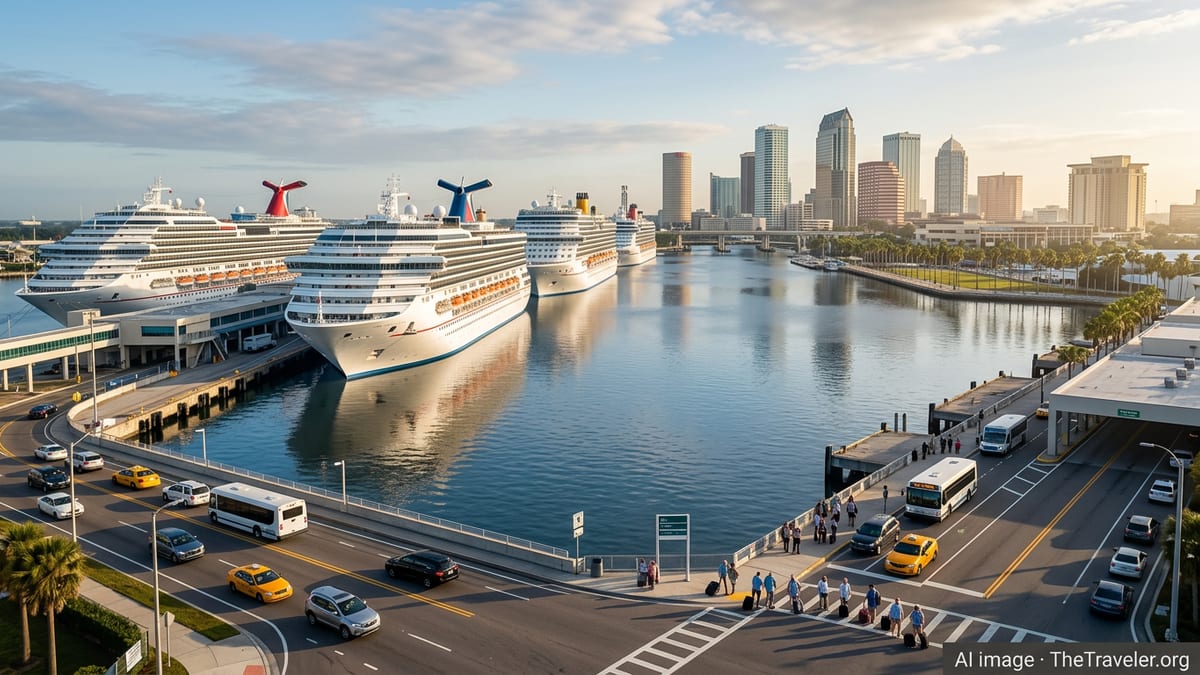
An ambitious concept that captured national attention
The voyage was marketed as an unprecedented experience for travelers who wanted to vacation with their dogs at sea. Promotional materials described a six-night sailing from Tampa to Key West and Mexico aboard Margaritaville at Sea’s Islander, with room for hundreds of human guests and as many as 250 dogs.
The trip was organized by Cruise Tails, a niche travel brand created specifically for pet-focused sailings, in partnership with an Expedia Cruises franchise in West Orlando. Coverage in outlets such as cruise industry publications and travel blogs highlighted the cruise as a milestone for pet travel, noting that most major lines limit animals to service dogs or small numbers of kennel-based pets.
Marketing documents laid out strict protocols to reassure wary travelers. Dogs would have required veterinary health certificates, vaccination records, and proof of parasite prevention. Onboard, animals were to be restricted from certain venues, with designated relief areas and mandatory leashes in public spaces. Prices, which ran into the several-thousand-dollar range per cabin, were sold as covering both human and canine amenities.
The concept tapped into a fast-growing segment of the travel market. Pet ownership surged in recent years, and many travelers now look for ways to avoid leaving animals behind. Other cruise products have experimented with limited pet programs, but the Tampa itinerary was framed as one of the first large-scale, mainstream dog-friendly cruises from a major U.S. homeport.
Delays, shifting dates and growing unease
Excitement gradually gave way to concern as would-be passengers began to notice shifting details. According to publicly shared accounts, dates and documentation on promotional PDFs were updated multiple times, and some customers reported receiving revised schedules or protocols long after placing deposits.
Online forums show that by mid-2025, questions were mounting about whether the voyage would operate as planned. Commenters pointed to the logistical complexity of accommodating large numbers of dogs on a mainstream cruise ship, from sanitation and space requirements to port regulations in Mexico and the United States.
Some travelers reported difficulty obtaining clear information about key practical issues, such as quarantine requirements when returning from foreign ports or contingency plans if a dog became ill during the voyage. Others flagged the possibility of conflicts between dogs on crowded decks and in cabin corridors, despite the promised behavioral and vaccination rules.
As the advertised November 2025 departure date approached, would-be guests expressed unease about the lack of final confirmations. Social media threads show that prospective passengers compared notes about incomplete details, while skeptics questioned whether the economics of a heavily customized, pet-centric charter on a branded ship could be sustained.
Cancellation and complaints over missing refunds
In late stages of planning, the cruise was canceled. Based on statements posted publicly by affected customers, the official explanation referenced internal challenges and indicated that refunds would be processed. Some travelers say they initially received assurances that deposits and payments, which for some households totaled several thousand dollars, would be returned within a defined timeframe.
However, multiple accounts now describe long delays, inconsistent communication and, in some cases, no refund at all months after the cancellation. Customers have taken to social platforms, cruise forums and consumer-focused groups to detail attempts to contact organizers, dispute charges with banks or seek help from travel insurance providers.
Several contributors on cruise discussion boards describe sending repeated emails or messages to the organizing entities with few or no substantive responses. Others indicate that partial refunds or credits were referenced but never materialized in their accounts. Some say they are considering formal complaints to consumer protection agencies or exploring legal options in an effort to recover funds.
The experience has drawn comparisons to other high-profile cruise projects that collected large sums from early adopters before collapsing. Commenters have noted that, while the dog-friendly cruise did not involve multi-year commitments, the concentrated financial hit has still been significant for many households, especially once nonrefundable pet preparations and travel arrangements are included.
Regulatory gray areas and consumer protections
The unraveling of the Tampa dog cruise highlights the patchwork nature of oversight in niche travel products. Traditional cruise lines are subject to maritime, health and safety regulations, but charter-style theme sailings are often marketed and sold through a mix of small agencies, brand partners and independent organizers.
Publicly available information indicates that bookings for the dog-friendly voyage were funneled through a combination of a specialty pet-cruise brand and a franchise travel agency, leveraging the name recognition of a mainstream cruise operator. While that structure can help bring novel concepts to market, it can also complicate refund responsibility when an event is canceled.
Consumer advocates who comment on travel disputes generally recommend that travelers verify which entity actually holds their funds and what protections apply, such as supplier default coverage in travel insurance policies or chargeback rights on credit cards. In situations where a niche organizer fails to deliver a product, recovering money can depend heavily on contract language, payment method and whether any escrow or trust arrangements exist.
The dog cruise case also underscores how quickly social media visibility can outpace regulatory scrutiny. The voyage gained wide attention in pet and cruise circles when it was announced, yet the practical mechanisms for safeguarding customer payments received far less public discussion until after problems emerged.
What the fallout means for future pet-friendly cruises
Even as frustrated customers seek resolutions, interest in pet-inclusive travel remains high, and other operators are exploring ways to integrate animals into cruise itineraries. Some residential and long-stay cruise concepts now actively promote pet-friendly zones, veterinary services and onboard dog parks as potential differentiators for future ships.
Industry observers note, however, that large-scale dog-friendly cruises face substantial hurdles. Beyond the obvious challenges of cleaning, noise and potential conflicts between animals, organizers must navigate port-entry regulations, liability issues and the risk of cancellations due to health or safety concerns. These complications can drive up prices and limit the pool of travelers willing to pay for such experiences.
For Tampa and other cruise homeports, the failed voyage may serve as a cautionary example of how quickly enthusiasm for novelty can turn to backlash when customers feel they have been left without recourse. Some commentators in local and national travel communities now urge extra skepticism toward ambitious, first-of-its-kind offerings that collect large deposits long before final operational details are confirmed.
For travelers, the episode is reinforcing familiar but sometimes overlooked advice: research the entities behind themed cruises, scrutinize contracts and payment terms, and consider the risks of booking complex new products that have yet to complete a successful inaugural sailing, especially when beloved pets and substantial nonrefundable costs are involved.