


More news on this day
Edinburgh Airport has reopened to passengers after a security alert over a suspicious package prompted an evacuation and temporary closure, but reports indicate that significant delays and knock-on disruption are continuing across the airport’s flight schedule.
Get the latest news straight to your inbox!
Security incident prompts large-scale evacuation
Reports from passengers and aviation tracking communities indicate that operations at Edinburgh Airport were brought to a standstill on Friday after a suspicious package was discovered in the terminal area. Parts of the airport were evacuated and the main terminal was cleared while specialist teams were called to assess the item and make the area safe.
Witness accounts shared on social platforms describe departures being halted with little warning, with travellers instructed to leave seating areas and move out of the main concourses. Some passengers reported hearing a loud noise before learning online that bomb disposal units had arrived at the scene, adding to anxiety among those waiting for information.
According to publicly available flight-tracking data, aircraft inbound to the Scottish capital were placed in holding patterns or diverted to other UK airports as the incident unfolded. At one point, several flights circled near Edinburgh before being rerouted, while others were held on the ground at their departure airports pending updates on the situation.
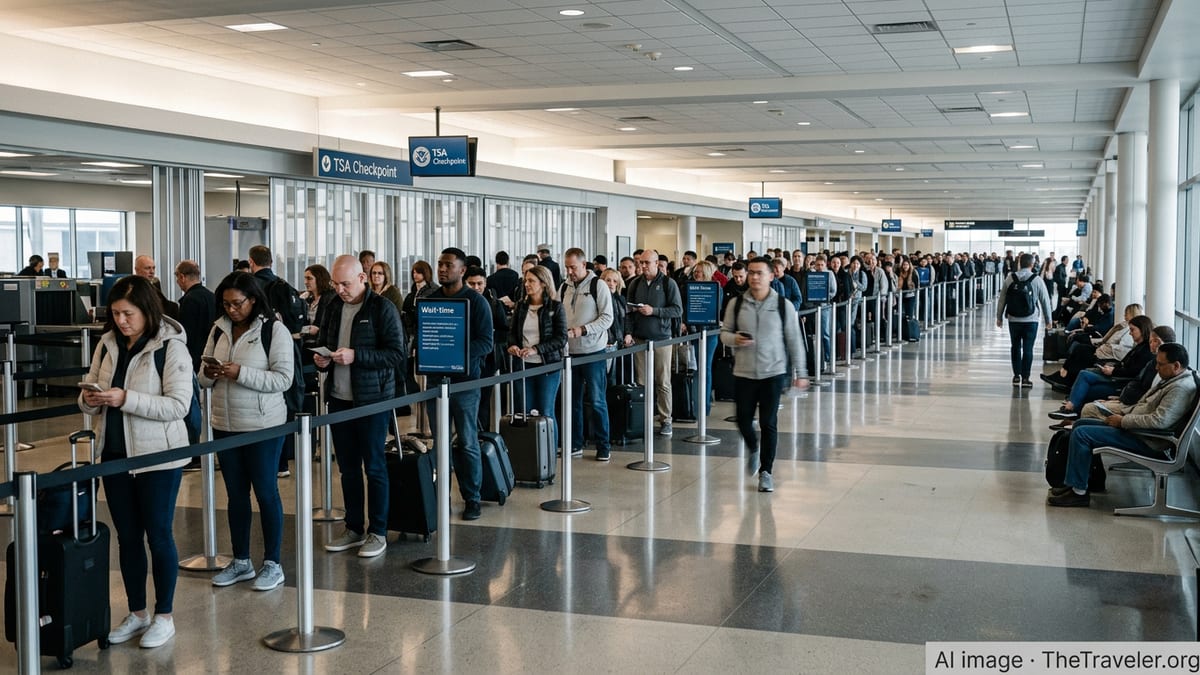
During the height of the disruption, images and videos posted by travellers showed crowded waiting areas, queues forming outside parts of the terminal, and departures boards filling with delayed or “awaiting information” statuses as airlines paused boarding.
Flights resume but disruption continues
By late afternoon, publicly available information from flight trackers and passenger updates suggested that the immediate security operation had concluded and that aircraft were once again landing at Edinburgh. Flights that had earlier diverted to airports such as Glasgow were shown beginning to reposition or continue their journeys to the capital.
Despite the reopening, the day’s schedule remained heavily disrupted. Airlines needed to reorder take-offs and arrivals around crews, aircraft positioning and regulatory duty-time limits, leading to extended waits even after the terminal reopened. Some passengers reported that flights which had been held on the ground at origin airports eventually departed once confirmation came that Edinburgh’s runway and terminal operations were restarting.
Travel industry observers note that even relatively short closures can take many hours to unwind at a busy hub. Edinburgh handled more than three million passengers in the first quarter of 2026, according to recent airport committee documents, underscoring how quickly queues and schedule backlogs can form when operations are interrupted.
As evening approached, online departure boards still showed a mix of delayed services, short-notice gate changes and a small number of cancellations, indicating that airlines were continuing to work through the earlier stoppage.
Knock-on effects for passengers across the network
The incident’s impact extended beyond those physically inside Edinburgh Airport. Travellers posting from aircraft bound for the city described being informed mid-flight of the closure and, in some cases, told that their aircraft might divert to alternative airports while the situation was assessed.
Others waiting to depart from cities such as Dublin, London and Malaga described receiving limited or changing information via airline apps and departure boards, with some learning from social media about the suspicious package and subsequent evacuation before updates appeared on official channels.
Aviation analysts point out that such security-related suspensions can have a cascading effect across airline networks. Aircraft and crews delayed in Edinburgh may arrive late into their next destinations, affecting evening and even next-day rotations, particularly for short-haul carriers operating tight turnarounds.
Passengers with onward connections, including those linking to transatlantic and European services from other hubs, faced additional uncertainty as they tried to rebook or adjust plans. Consumer advice groups typically recommend that affected travellers keep records of delays and any additional costs incurred, as entitlement to assistance or compensation can vary depending on the cause and length of disruption.
Heightened focus on airport security procedures
Although the suspicious item at Edinburgh was ultimately contained without reports of injuries, the episode has placed renewed focus on how major airports manage potential security threats while balancing the need to keep passengers informed. Travel commentators note that aviation hubs across the United Kingdom have, in recent years, periodically experienced evacuations or terminal closures linked to unattended baggage, suspect items or other alerts.
Publicly available information indicates that airports continue to refine evacuation protocols, communication strategies and coordination with specialist teams in order to minimise risk. At the same time, industry discussions frequently highlight the challenge of providing timely, accurate updates during fast-moving security situations, particularly when information circulating online can outpace official announcements.
For passengers, the Edinburgh incident serves as a reminder that even routine journeys can be affected by unplanned security measures. Travel planners often encourage allowing extra time at airports and building flexibility into itineraries, especially during peak travel periods when an evacuation or closure can quickly lead to crowded spaces and limited rebooking options.
In the wake of Friday’s disruption, Edinburgh Airport is expected to face questions over how information was relayed to those caught inside the terminal and on affected flights, as well as how quickly normal operations can be restored after such an event.
What travellers should expect in the coming hours
With the airport now reopened and aircraft movements gradually returning, reports indicate that passengers travelling through Edinburgh into the evening and overnight should continue to plan for possible delays. Residual congestion at security, boarding gates and baggage reclaim is likely as airlines work through displaced passengers and reposition aircraft.
Travel experts note that those with imminent departures are typically advised to arrive on schedule unless specifically informed otherwise by their airline, as check-in counters and security lanes often resume quickly even when flight times remain fluid. At the same time, travellers are encouraged to monitor their flight status frequently through airline channels, as gate changes and revised departure times may occur at short notice.
Accommodation near the airport and in central Edinburgh may see increased demand from travellers who miss late-evening departures or inbound connections. Flexible booking options and travel insurance that covers disruption can help mitigate costs when security incidents force unexpected overnight stays.
While the full operational impact of the suspicious package alert is still being worked through, Friday’s events underline how a single security incident can ripple across a major airport’s operations for many hours after the immediate threat has passed.