


More news on this day
An emergency aircraft landing at Missoula Montana Airport disrupted normal operations and contributed to delays for some outbound flights, with ripple effects across airline schedules as service resumed.
Get the latest news straight to your inbox!
What happened at Missoula Montana Airport
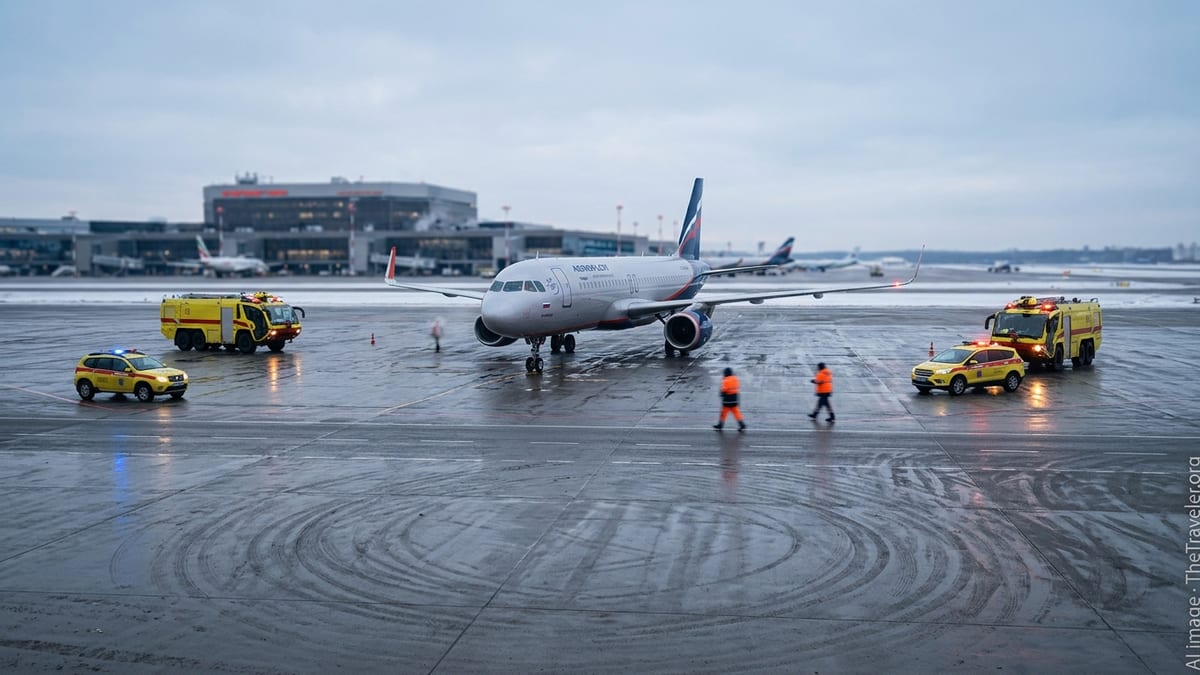
Published coverage and publicly available airport operational updates indicate an aircraft declared an emergency and landed at Missoula Montana Airport, prompting a temporary halt to some airfield activity while the situation was handled on the ground.
In incidents like these, even when an aircraft lands safely, airports may pause arrivals and departures to keep equipment and personnel clear of the movement area, assess any potential runway debris, and ensure emergency vehicles can reposition quickly.
Missoula’s airfield configuration can amplify the impact of a runway disruption. Public airport information shows the primary runway is roughly 9,500 feet long, while the shorter crosswind runway is significantly smaller and not typically suitable for routine airline operations, limiting flexibility when the main runway is unavailable.
How the emergency landing affected departures
Flight boards and airline status tools showed a mix of delayed, canceled, and on-time departures around the disruption window, reflecting how quickly schedules can diverge at a smaller airport when a single operational constraint occurs.
When outbound flights are delayed, the knock-on issues often extend beyond the first wave of departures. Aircraft rotations can be thrown off, crews may reach duty-time limits, and inbound aircraft assigned to operate later departures may arrive late or be reassigned elsewhere in the network.
Even after the runway reopens, airlines frequently need additional time to reset boarding times, coordinate baggage movement, and confirm updated departure slots with air traffic control. That means travelers may see delays persist after the immediate event appears to be resolved.
What travelers should check before heading to MSO
Missoula Montana Airport’s published passenger guidance emphasizes checking directly with the airline for the most current flight status and arriving early. That advice becomes especially important during irregular operations, when gate assignments, boarding times, and aircraft swaps can change quickly.
Passengers with connections out of hubs such as Denver, Salt Lake City, Seattle, Chicago, Dallas-Fort Worth, or San Francisco may want to monitor not only their Missoula departure but also their onward flight, since a short delay leaving MSO can still result in a missed connection depending on minimum connection times and gate locations.
Travelers picking up arriving passengers should also watch for arrival time changes, because arrival holds and diversions can accompany a departure slowdown, especially if inbound traffic is managed at its origin under national air traffic flow programs.
Why a single runway disruption can ripple across a small airport
Missoula is a key commercial gateway for western Montana, but it operates at a smaller scale than major hub airports. That can be an advantage on normal days, yet disruptions can be felt more sharply because there are fewer spare gates, fewer reserve aircraft nearby, and fewer same-day rebooking options.
Publicly available FAA delay information systems sometimes reflect these conditions by showing traffic destined to an airport being held at departure points when arrival rates are constrained. When that happens, flights may depart late from other cities, compounding local recovery efforts.
Missoula has also experienced other recent irregular-operation triggers, including weather-related disruptions and infrastructure issues. Those episodes illustrate how quickly local conditions, equipment availability, and regional weather can affect schedules in Montana’s mountainous operating environment.
What to do if your flight is delayed or canceled
If a flight is delayed, travelers typically have the best chance of preserving their itinerary by using the airline’s app to confirm the latest departure time, aircraft assignment, and boarding details, then checking for automatic rebooking options if connections are at risk.
If a flight is canceled, rebooking options can be limited on the same day, especially during peak travel periods. Travelers may want to compare later departures on the same carrier, reroutes via alternate hubs, and next-day options, while also confirming whether checked baggage will be held, transferred, or returned.
For those already at the airport, keep receipts for any eligible expenses under the airline’s policies and note that accommodation or meal coverage depends on the cause of the disruption and the carrier’s customer service commitments. When information is still developing, focusing on the airline’s latest rebooking and customer-service guidance is usually the most reliable approach.