


More news on this day
Erbil is emerging as a key gateway between Iraq, Türkiye and the wider Middle East, as new and returning air routes expand the Kurdish city’s role in regional connectivity and tourism.
Get the latest news straight to your inbox!
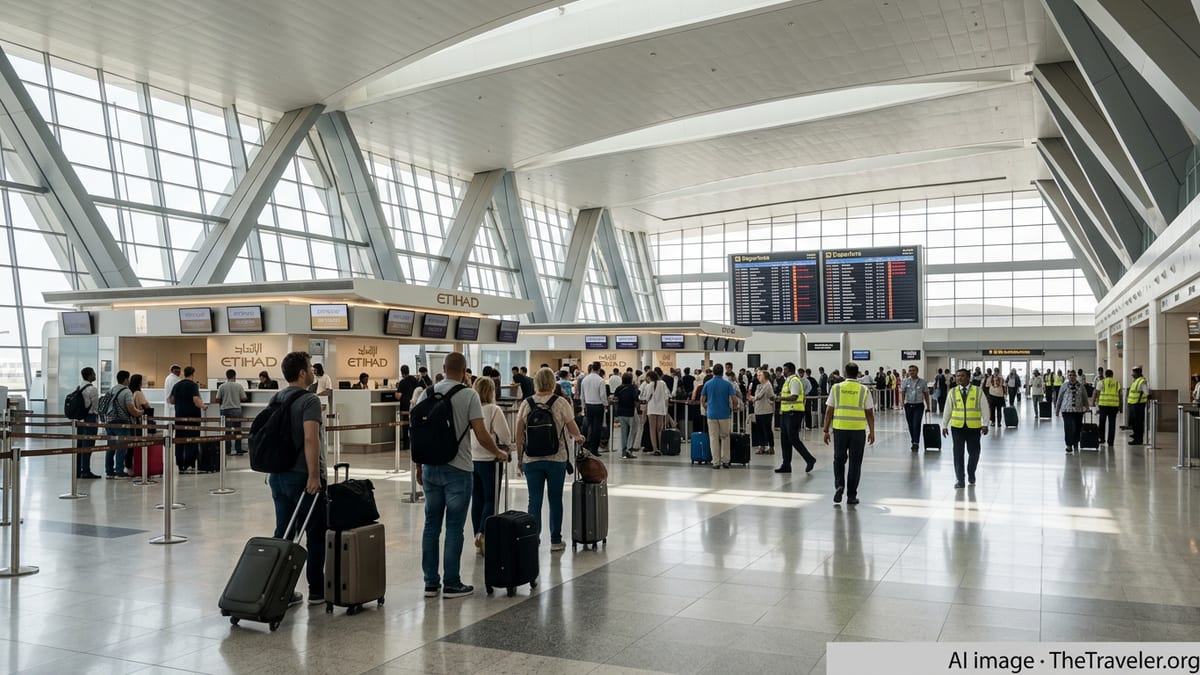
Erbil’s Airport Rebounds as Regional Hub
Publicly available data shows that Erbil International Airport has largely restored its international network following recent regional disruptions, with flights once again operating to major cities across the Middle East and Europe. Reports from local media in May 2026 indicated that the airport handled hundreds of flights in the weeks after a ceasefire in the region, underlining how quickly carriers have moved to reinstate suspended services.
The airport, which opened to commercial traffic in 2003, has capacity for millions of passengers each year and serves as the principal international gateway for the Kurdistan Region of Iraq. Recent statistics from the Kurdistan Region’s statistics office highlight sustained activity by foreign airlines at Erbil, including low cost and full service carriers from Türkiye and the Gulf.
Industry analysis from international aviation bodies notes that Iraq’s overall route map has grown more regionally focused in the past two years, with Erbil playing a visible role in new or reinstated services. This reflects both returning demand from business and diaspora travellers and a gradual normalisation of tourism to Iraqi Kurdistan.
Türkiye’s Carriers Deepen Links to Northern Iraq
Türkiye remains Erbil’s primary international bridge, with Turkish airlines steadily expanding services that connect the Kurdish city to Istanbul, Ankara and beyond. Pegasus Airlines lists Erbil among its international destinations from Istanbul Sabiha Gökçen, positioning the route within a wider low cost network that stretches across Europe, the Middle East and Central Asia. Investor presentations from the airline in 2024 and 2025 describe a growing international footprint, with Iraq included among key regional markets.
Another Turkish carrier, AJet, is adding capacity on the Türkiye–Iraq corridor. According to Turkish press coverage, the airline is scheduled to begin flights between Ankara and Erbil, adding the Iraqi city to a roster of expanding international routes from the Turkish capital. The move strengthens Ankara’s role as an alternative hub for travellers heading to northern Iraq from Europe and other regions.
These links build on dense trade and people-to-people ties between Türkiye and the Kurdistan Region of Iraq. As overland trade corridors evolve, air connectivity offers a faster and more predictable option for business travellers, logistics planners and tourists moving between Erbil and Turkish cities.
Middle East Airlines Restore and Expand Erbil Services
Beyond Türkiye, airlines across the Middle East are gradually re-establishing and expanding flights to Erbil as conditions allow. Gulf-based carriers have long targeted Iraq’s northern regions for point-to-point traffic and onward connections via their hubs. While some services were paused or reduced during periods of regional tension, published destination lists and timetable information indicate that carriers continue to view Erbil as an important spoke in their networks.
Industry reports on regional connectivity in Iraq note that several Middle East routes offering comparatively modest seat volumes nonetheless play a critical role in linking cities like Erbil to global long haul networks. Flights via Gulf hubs provide onward access to Asia, Europe and North America, supporting both outbound labour and business travel as well as inbound tourism flows to Iraqi Kurdistan.
The gradual restoration of flights by European and regional airlines following temporary suspensions has been central to this recovery. As airlines recalibrate schedules and fleets after recent disruptions, the balance of services appears to be shifting toward short and medium haul connections linking Erbil with nearby Middle Eastern capitals, where demand has recovered more quickly.
Fly Erbil and New Iraqi Operators Join the Network
Local carriers are also contributing to Erbil’s growing connectivity. Fly Erbil, based in the city, operates scheduled international services and promotes itself as a carrier linking the Kurdistan Region with key regional and European destinations. Its published destination map shows routes from Erbil to cities such as Amsterdam and Baku, with additional flights to nearby Middle Eastern markets.
The airline’s presence at its home airport provides additional capacity on popular routes and offers an alternative to foreign carriers for passengers departing from northern Iraq. Fleet information and timetables published by the company point to a modest but expanding operation focused on point-to-point links rather than hub-style connectivity.
New Iraqi airlines elsewhere in the country are also planning connections to Erbil. One recently launched carrier based in southern Iraq has announced domestic routes linking Basra and Erbil, with public information outlining intentions to add international flights from Basra to Türkiye and other regional destinations. If realised, this would further integrate Erbil into an emerging national network of Iraqi carriers that connect domestic cities with nearby foreign hubs.
Trade Corridors and Tourism Drive Demand
Erbil’s expanding air links are closely tied to broader regional trade and infrastructure shifts. International transport organisations have highlighted Iraq’s growing role as a land corridor between Türkiye, the Gulf and wider Asian markets, with new road routes across the country significantly cutting transit times for freight. As logistics companies pioneer overland connections, airport connectivity in cities like Erbil becomes more important for executives, technicians and support staff moving alongside these cargo flows.
Strategic projects such as Iraq’s planned Development Road, discussed in meetings between Baghdad and the Kurdistan Regional Government, aim to create a multi-modal corridor combining road, rail and ports to connect the Gulf with Türkiye and Europe. Analysts suggest that successful implementation could spur additional air traffic to northern Iraqi cities as investors, construction teams and service providers shuttle between project sites and regional capitals.
At the same time, Erbil continues to attract leisure travellers drawn to its historic citadel, mountainous hinterland and relative stability compared with other parts of Iraq. Travel accounts and tourism coverage over the past two years describe visitors combining Erbil with other Iraqi destinations, often relying on the city’s growing choice of direct flights from Türkiye and nearby Middle Eastern hubs to structure their itineraries.
Together, these trends point to a more connected future for Erbil within the Middle East aviation map. As airlines from Türkiye, the Gulf and other regional markets add or reinstate services, the city’s airport is consolidating its position as a key entry point to Iraq and as a link in wider trade and tourism corridors across the region.
Pegasus Airlines route network including Erbil
Fly Erbil official destination map
Kurdistan Region air transportation statistics 2024
Kurdistan24 coverage of Erbil airport flight volumes in 2026