


More news on this day
British travelers are joining flyers in Australia, Singapore, Japan, Thailand and the Maldives in facing a fast-changing long-haul airfare landscape, as Etihad Airways’ latest capacity and pricing moves begin to ripple through key leisure and business routes.
Get the latest news straight to your inbox!
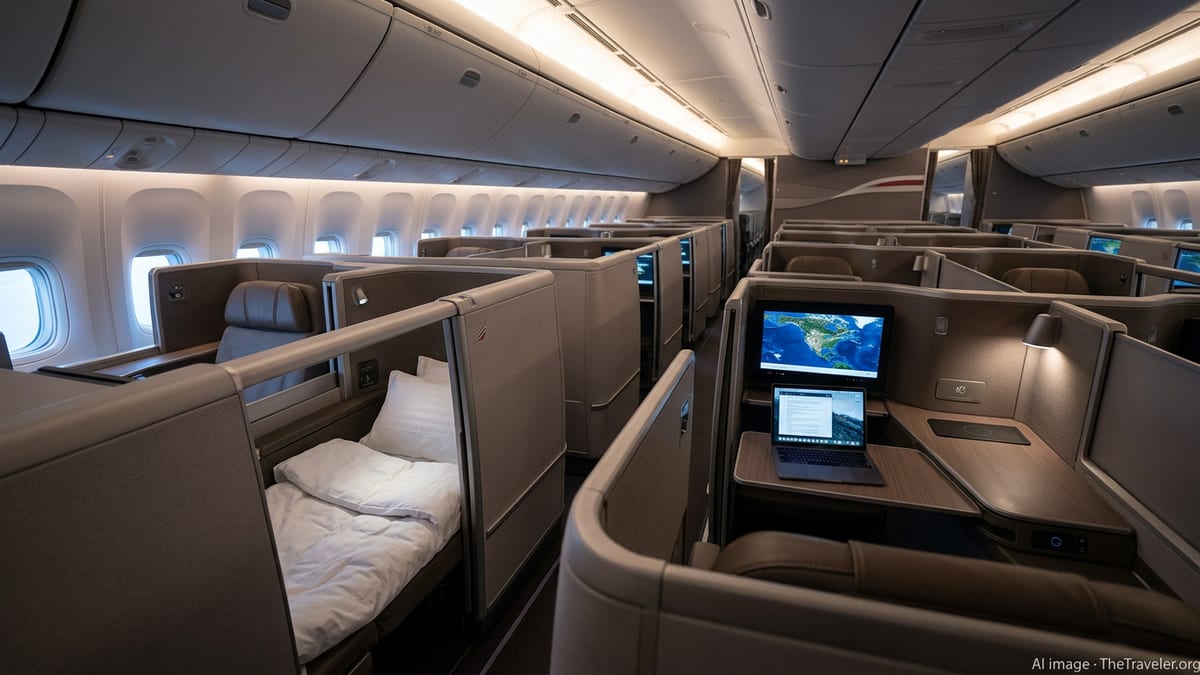
UK Joins A Wider Etihad-Led Fare Shake-Up
Recent booking data and publicly available fare comparisons indicate that Etihad has sharply discounted a selection of long-haul routes for travel in April, May and June 2026, including itineraries starting in London and connecting via Abu Dhabi to Asia-Pacific destinations. Industry coverage points to return economy fares from London Heathrow to Tokyo Narita via Etihad in late spring from around the mid-£700s, with prices rising markedly into the peak summer period.
These shifts follow a period of volatility for the Abu Dhabi-based carrier, which has resumed a limited but expanding schedule to around 70 destinations worldwide after earlier disruption to regional airspace. Long-haul links to Australia and popular Indian Ocean and Southeast Asian holiday spots are central to that recovery, positioning Etihad as a pivotal player in price-setting on corridors connecting Europe with the Pacific and Indian Ocean destinations.
Travel analysts note that the United Kingdom is a particularly sensitive market for such changes because London is both a high-yield premium hub and a major origin point for leisure traffic to Asia and the Pacific. When a Gulf hub carrier adjusts capacity or launches tactical fare sales, competing airlines that rely on similar flows between Europe and Asia often reassess their own pricing, amplifying the impact for travelers.
The current wave of lower shoulder-season fares, contrasted with significantly higher peak-summer prices, suggests that Etihad is using price as a lever to rebuild confidence and fill seats quickly on connecting routes, while preserving higher yields during the busiest months.
Australia, Singapore, Japan, Thailand And Maldives Feel The Ripple Effects
Etihad’s network strategy has put particular focus on destinations where demand from Europe can be channelled efficiently over Abu Dhabi. Publicly available schedules show resumed and growing frequencies to Sydney and Melbourne, reinforcing Australia as a cornerstone of the airline’s long-haul offering. Increased capacity tends to support more competitive pricing, especially outside school holidays, which can benefit travelers booking multi-stop trips from the UK.
In Asia, Etihad is adding weight to Japan by deploying an Airbus A380 to Tokyo Narita for the 2026 summer season, a move industry reports link to strong demand and the need for more seats. Higher-gauge aircraft on a route usually mean more inventory to sell, creating room for promotional fares and consolidator deals that ultimately influence what travelers see in online search results.
Thailand and the Maldives, long-time favorites for British and European holidaymakers, are also firmly embedded in the carrier’s recovery schedule. Flights to Bangkok, Phuket and Malé appear in Etihad’s current operating lists, underpinning a web of leisure itineraries that stretch from the UK and continental Europe through Abu Dhabi to beach destinations across the Indian Ocean and Southeast Asia.
Singapore, another key waypoint for regional connections, is part of the wider Asia network where competition from regional and European carriers remains intense. When Etihad runs tactical fare cuts or adjusts surcharges on these routes, pricing for connecting itineraries that touch Singapore, Thailand or the Maldives can shift quickly, particularly for travelers searching several months in advance.
Record Profits, Bigger Fleet And A Need To Stimulate Demand
The current airfare realignment is taking place against the backdrop of improving financial results for Etihad. The airline recently reported a record profit for 2025, with operating income approaching 700 million US dollars and passenger numbers rising. The carrier added close to 30 aircraft over the year, expanding its fleet to more than 120 jets and increasing weekly frequencies on numerous routes.
More aircraft and higher capacity mean that seats must be filled, particularly during shoulder periods between major holidays. Public earnings statements and industry commentary suggest that Etihad is using targeted fare reductions, promotional campaigns and expanded connectivity to maintain load factors while still benefiting from improved cost efficiency on newer aircraft types.
At the same time, global fuel prices have been volatile, and regional tensions have pushed operating costs higher for airlines using certain airspace. Some carriers have responded with fuel surcharges or higher base fares. Against this backdrop, selectively cutting fares on strategic long-haul routes can be a way to defend market share and keep Abu Dhabi competitive as a transfer hub between Europe and Asia-Pacific.
For travelers, this combination of rising costs and aggressive promotions translates into a patchwork of prices that can look unusually low for near-term dates, while remaining elevated for peak seasons or for itineraries that are less central to Etihad’s network strategy.
Flexible Change Policies Add Another Layer To Pricing
Alongside headline fares, Etihad has introduced more flexible rules on ticket changes that affect the real cost of a trip. Recent policy updates indicate that the airline is waiving date change fees once on eligible tickets issued after early March 2026, for travel well into 2027. However, any fare difference still applies, meaning that a traveler switching from a discounted shoulder-season ticket to a peak-period flight could face a substantial additional charge.
This approach aligns with broader industry trends where airlines promote flexibility as a reassurance to hesitant travelers, while retaining the ability to reprice itineraries in line with demand. For routes connecting the UK with Australia, Singapore, Japan, Thailand and the Maldives, where trip planning often starts many months ahead, such policies can be attractive but also make it more important to understand how rebooking may affect the final price.
Consumer forums and travel agency briefings suggest that Etihad, like many carriers, is also making greater use of unbundled economy fares. The lowest price points may not include checked baggage or advance seat selection, particularly on long-haul services. While this helps the airline advertise eye-catching lead-in prices on search engines, travelers comparing options between airlines and routes need to pay close attention to what is included.
For British travelers routing via Abu Dhabi to Asia-Pacific destinations, the interplay between flexible date changes, fare differences and ancillary charges can significantly alter the value of a deal that initially appears to be a bargain.
What Travelers Should Watch Closely In The Months Ahead
For those planning trips from the UK to Australia, Singapore, Japan, Thailand or the Maldives, several emerging patterns merit close attention. First, there is a widening gap between fares for late spring and early summer 2026 compared with peak months of July and August. Booking into the shoulder periods where Etihad is actively stimulating demand may offer substantial savings, particularly for travelers with flexible dates.
Second, the choice of routing and intermediate hub is becoming more consequential. With Etihad rebuilding its network and some competitors adjusting capacity or surcharges, itineraries via Abu Dhabi can be priced very differently from those via rival Gulf, European or Asian hubs. Comparing total journey time, included services and change conditions alongside the headline fare is increasingly important.
Third, travelers should monitor ongoing schedule updates as the airline scales up from a limited to a fuller operation. Public information shows that route lists and frequencies have been revised several times in recent weeks, occasionally affecting flights to and from popular leisure destinations. Anyone booking months in advance should be prepared for possible timing adjustments and should keep contact details up to date with their airline or travel agent.
Finally, with Etihad’s fleet growth and record profitability giving it room to maneuver, the carrier appears willing to use sharp promotional pricing to capture market share on key long-haul corridors. For UK-based travelers eyeing trips to Australia, Singapore, Japan, Thailand or the Maldives, that could translate into attractive deals, provided they are ready to move quickly when sales appear and to read the fine print on fare conditions.