


More news on this day
Mount Etna’s latest eruption has thrown Sicily’s peak holiday season into turmoil, with ash clouds repeatedly disrupting operations at Catania’s main airport and leaving thousands of travelers scrambling for alternative routes.
Get the latest news straight to your inbox!
Repeated Closures Hit Catania at Busiest Time of Year
Reports from Italian and international media indicate that Etna has been in an elevated state of activity for more than a week, producing a persistent ash plume that has drifted over eastern Sicily. The ash has repeatedly forced suspensions of arrivals and departures at Catania Vincenzo Bellini Airport, the island’s second busiest hub and the primary gateway for eastern Sicily.
According to published coverage, operations at Catania were halted or sharply reduced on several days beginning around 7 August 2026, as the ash cloud periodically crossed flight paths. On some days the airport reopened for limited windows before closing again when winds shifted, creating a stop start pattern that complicated airline scheduling and left passengers facing last minute changes.
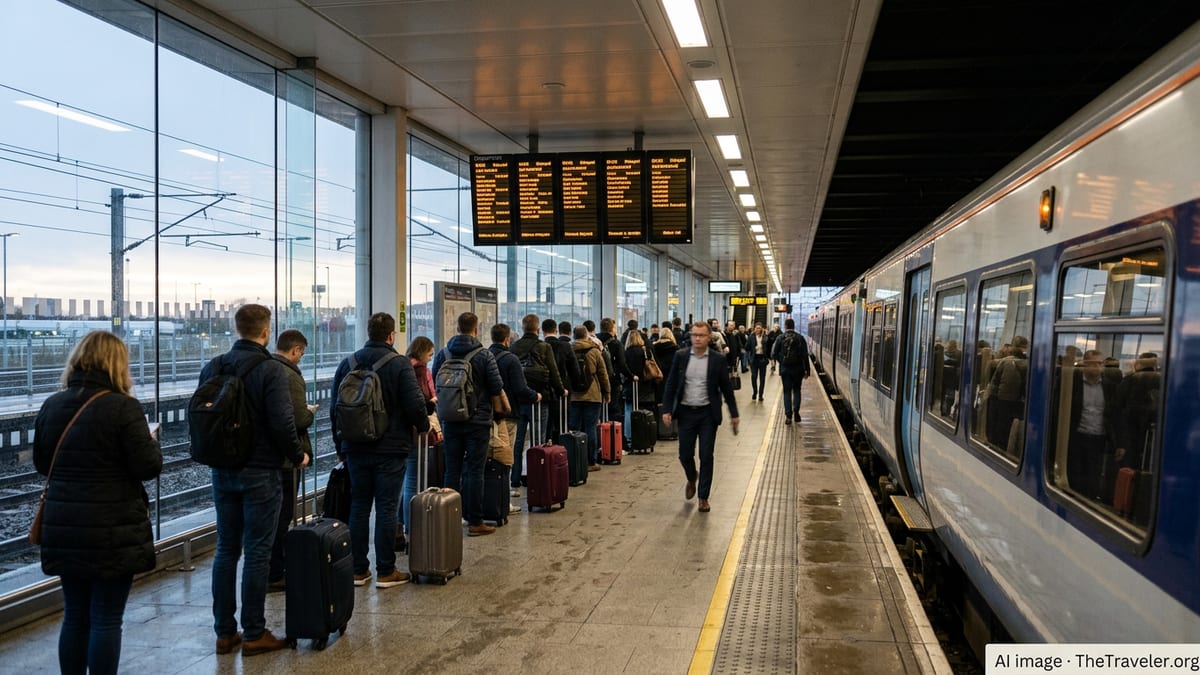
News reports describe departure and arrival boards heavily marked by cancellations, delays and diversions, along with crowded terminals and long lines at check in and ticket desks. The disruption comes at the height of Italy’s summer holiday season, when Catania typically handles dense traffic from northern Europe as well as domestic routes from Rome and Milan.
Local accounts suggest that cancellations are affecting both short haul and long haul services, including flights from North America that normally operate nonstop or with a single European connection to Catania. In several cases, those flights have been rerouted to mainland Italian airports or to Palermo on Sicily’s northern coast.
Comiso and Other Sicilian Airports Feel the Strain
The impact has not been confined to Catania. Publicly available information shows that Comiso Airport, another important gateway for southeastern Sicily, also suspended operations at times as the ash cloud spread. This additional closure has tightened capacity across the region just as demand peaks for seaside destinations such as Taormina, Siracusa and Ragusa.
Media coverage indicates that Palermo and, to a lesser extent, Trapani have absorbed a wave of diverted flights from Catania and Comiso. Airlines have rerouted both international and domestic services, turning Palermo into an emergency entry point for travelers originally booked to land on the opposite side of the island.
Travelers posting on public forums describe being notified mid journey that their flights would land in Palermo or Rome instead of Catania, sometimes only after departure. In other cases, departures to Catania were canceled outright, with passengers rebooked on later dates or on itineraries involving multiple connections through mainland hubs.
Air traffic data compiled in recent years shows that such disruptions are a recurring feature of travel in eastern Sicily during periods of stronger Etna activity. However, the current episode is notable for its timing, coinciding with one of the busiest weeks of the European summer and following earlier, shorter closures linked to eruptions in July.
Stranded Tourists Turn to Trains, Buses and Ferries
As flight schedules have unraveled, ground transport has become the lifeline for visitors attempting to reach or leave Sicily. Regional announcements and traveler reports indicate that additional rail and bus services have been introduced between Catania, Palermo, Messina and other major towns to help absorb the overflow from disrupted flights.
Several travelers recount being advised to use trains or long distance buses from Palermo to reach the Catania area after their aircraft diverted or their original bookings were canceled. In some cases, publicly available information suggests that passengers arriving at Palermo on rerouted flights have been allowed to use specific rail or coach services toward Catania at no extra cost upon presentation of a boarding pass.
Others describe more improvised journeys, combining last minute hotel stays near Palermo Airport with early morning trains across the island, or taking ferries from mainland ports such as Naples and Villa San Giovanni when onward flights were uncertain. For many, the need to rearrange itineraries has added extra nights of accommodation and unplanned transport costs to already expensive peak season trips.
Travel advice circulating through airlines, tourism offices and online forums consistently urges passengers to check flight status directly with carriers before traveling to any Sicilian airport and to allow additional time for transfers between rail stations and airports, particularly in Catania, where local traffic has been heavy.
Safety Concerns and the Nature of Etna’s Activity
Volcanology institutes and academic studies describe Etna as one of the world’s most closely monitored volcanoes, characterized largely by frequent, relatively gentle effusive eruptions rather than sudden, highly explosive events. Even so, fine ash from its eruptions poses a serious risk to aircraft engines, avionics and windshields, which explains the caution around airport operations whenever ash drifts into controlled airspace.
Historical research on Etna’s activity notes that Catania’s airport has experienced periodic closures linked to ash for decades, with interruptions ranging from a few hours to several days depending on wind patterns and the intensity of emissions. Recent media reports emphasize that the latest eruption follows that pattern, with the main danger focused on aviation rather than on towns and resorts, which remain outside immediate lava flow paths.
Local tourism bodies have generally stressed in public messaging that resort areas along the Ionian and Tyrrhenian coasts remain accessible by road and rail, even when air traffic is disrupted. Visitors already in eastern Sicily continue to report normal conditions in cities such as Catania and Taormina aside from haze on the horizon and occasional ash dusting on cars and balconies.
Specialist guidance for travelers highlights practical measures such as carrying protective covers for luggage, being prepared for minor ash fall on vehicles, and allowing for slower driving conditions if volcanic dust settles on roads. However, for most visitors the primary inconvenience remains uncertainty around flights rather than direct physical hazards.
What the Disruption Means for Summer Travel to Sicily
The current Etna episode underscores the vulnerability of Sicily’s air network during peak season, particularly the reliance on Catania as the main hub for the island’s eastern and southern coasts. With planes full and accommodation heavily booked in August, even short closures can cascade into multi day delays as airlines struggle to reposition aircraft and crew.
Travel industry analysts observing the situation note that repeated ash related interruptions may encourage some visitors to plan itineraries with greater flexibility, including open jaw tickets using both Palermo and Catania or routes that incorporate rail connections from mainland Italy. For tour operators, the disruption is reviving discussions about contingency planning and clearer communication protocols when volcanic activity spikes.
For travelers currently holding tickets to Catania, publicly available advice from airports and airlines emphasizes monitoring booking apps and notification channels closely, considering travel insurance that covers volcanic events, and preparing alternative routing via Palermo or mainland hubs in case of last minute changes. Given Etna’s history of intermittent activity, similar disruptions may recur in the coming weeks even if the current ash emissions diminish.
Despite the upheaval, Sicily’s tourism season remains in full swing, with hotels, beaches and cultural sites across the island reporting strong demand. For many visitors, Etna’s fiery silhouette on the horizon has always been part of the island’s allure; this summer, it is also a reminder that travel to an active volcano’s doorstep can sometimes mean navigating sudden changes in the sky.