


More news on this day
Reports from several European airports indicate that long queues at new EU border controls are causing some Ryanair passengers to miss flights to London, highlighting growing tension between stricter security procedures and low cost carrier turnaround practices.
Get the latest news straight to your inbox!
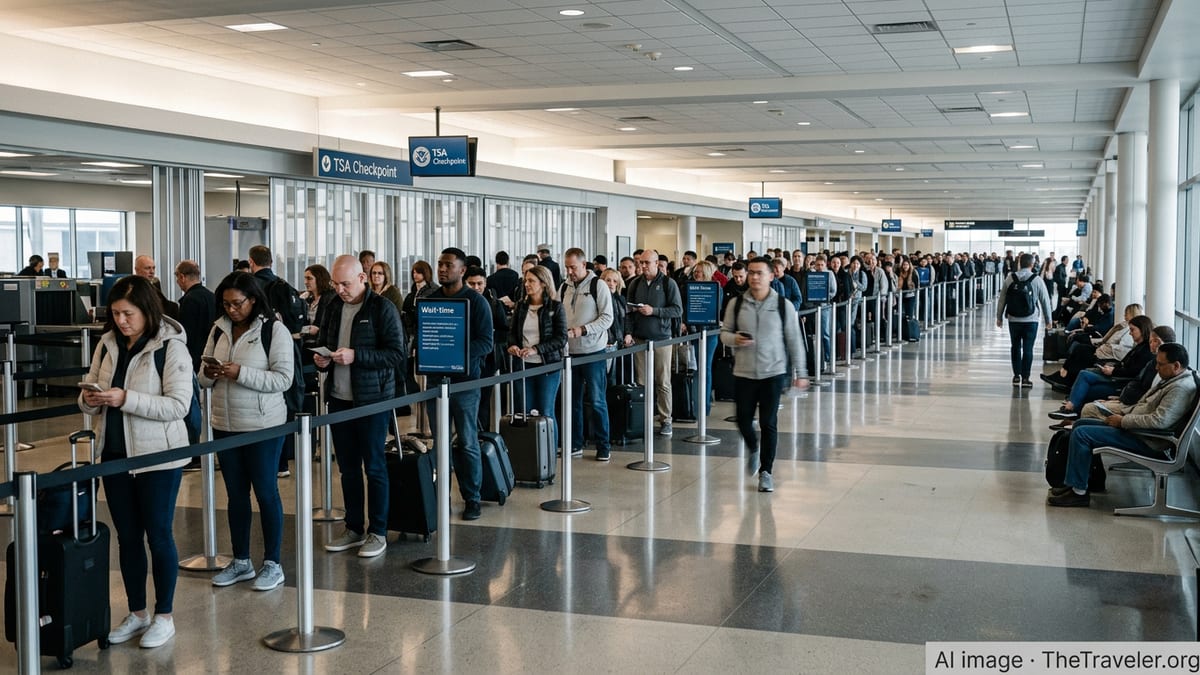
Border checks tighten as EU rollout gathers pace
Across the Schengen area, airports are adjusting to enhanced border procedures for non EU nationals and the gradual rollout of the bloc’s digital Entry Exit System, a program designed to record arrivals and departures more accurately. Publicly available information from aviation bodies shows that the extra checks can add significant time to the journey from security to the gate, especially at peak hours.
Industry groups have warned that, during busy summer periods, queues at passport control could stretch to several hours if airports and border agencies lack sufficient staffing or automated gates. Airport operators and airlines have urged travelers to arrive earlier than before and to expect longer processing times at control points separating Schengen and non Schengen departure areas.
Travel forums and social media posts from the spring and early summer suggest that the impact is already being felt by passengers departing to the United Kingdom, which now sits outside the EU’s free travel area. In particular, routes from southern European holiday airports to London have seen reports of passengers held in slow moving non EU lanes while final calls were made for their flights.
These conditions have created a new pressure point for carriers built around rapid turnarounds and strictly enforced boarding cutoffs, with Ryanair flights to London among those most frequently cited by affected travelers.
Ryanair passengers report missed London flights at busy hubs
Recent online accounts describe instances where groups of Ryanair customers, including families and solo travelers, arrived several hours before departure only to become stuck in bottlenecks at passport control. In some cases, travelers bound for London say that by the time they cleared the EU exit checkpoint and reached their gate, the doors had already closed and the aircraft was preparing to depart.
At one Spanish island airport, passengers on a Ryanair service to London reported that non EU lines feeding several UK bound flights were handled by a small number of passport booths, leading to long waits and confusion over whether flights would be held. Similar anecdotes from Italy and Portugal point to a pattern in which large numbers of UK bound travelers converge on a limited number of border control points immediately before boarding windows.
Travelers recount being advised by airports or tour operators to arrive three hours ahead of departure, only to find that check in and bag drop for certain low cost flights did not open until roughly two hours before scheduled take off. For those carrying checked luggage, this reduced the effective buffer time between drop off and passport control just as border queues lengthened.
Ryanair’s operations model, built around tight schedules and quick gate turn times, has come under scrutiny from some passengers who argue that the airline should delay departure or extend boarding when border queues are visibly affecting large portions of a flight’s manifest. Others note that, because not all travelers are delayed to the same extent, airlines may be reluctant to adjust schedules when many passengers have already boarded.
Who is responsible when border delays cause missed flights
The wave of complaints has revived a familiar question for European travelers: who bears responsibility when airport or state operated border processes, rather than an airline’s own delay, cause passengers to miss a flight. Publicly available guidance on EU and UK air passenger rights stresses that airlines are generally responsible for issues within their control, such as technical faults or crew shortages, but not for decisions made by airport authorities or border police.
Legal commentary on Regulation EC 261/2004 and its UK equivalent indicates that long delays, cancellations or denied boarding can trigger compensation in defined circumstances. However, when passengers fail to reach the gate on time because of congestion at security or passport control, analysts say such situations are typically treated as outside the airline’s direct control, shifting the focus toward travel insurance rather than statutory payouts.
Consumer advice sites note that, even where a large proportion of passengers on a single flight are delayed at border control, airlines may classify the situation as an “airport issue.” In practice, some carriers may offer rebooking on a later service or standby options as a gesture of goodwill, while others maintain that travelers are responsible for allowing enough time to clear all airport procedures, regardless of unforeseen queues.
In the latest reports involving Ryanair, many of the affected passengers describe being offered rebooking at additional cost or turned away to seek help through insurers, particularly where there were no more seats to London on the same day. This has fueled frustration among travelers who argue that the scale and novelty of the EU’s changing border regime were not fully communicated at the time of booking.
Airlines and airports adjust guidance for UK bound travelers
In response to mounting congestion at border checkpoints, a number of airports and airlines have begun updating their public guidance. Airport websites and travel advisories now more frequently recommend that non EU passengers on Schengen departures arrive significantly earlier before departure, citing the need to complete extra biometric and data checks at exit controls.
Low cost carriers operating large UK networks have also adjusted some communications, emphasizing cut off times for bag drop and boarding and warning that scheduled departure and gate closure times remain unchanged even when flights are expected to leave late. For Ryanair services to London, that can mean final boarding doors closing around 20 minutes before the timetable departure, regardless of the length of border queues just beyond the main terminal concourse.
Travel information circulated in recent weeks stresses that seat allocation and check in, which for many low cost airlines is carried out online, do not guarantee boarding if passengers fail to reach the gate by the stated time. With gate numbers for London flights sometimes posted relatively close to boarding, non EU travelers may find themselves moving quickly from departures screens into congested passport control zones just as queues peak.
These developments come as European aviation groups warn that the full summer season could see sustained strain on border infrastructure. If the digital Entry Exit System expands further during the peak holiday period, industry observers expect additional pressure at airports that have yet to implement sufficient staffing or automated lanes for non EU passengers.
Practical steps for passengers flying Ryanair to London
Travel experts and passenger advocates are now advising UK bound travelers to rethink how they plan airport arrival times, particularly when flying with low cost airlines. The emerging consensus from publicly available guidance is that non EU travelers should build in extra time beyond standard recommendations, especially at airports already reporting long border queues.
For Ryanair passengers heading to London, this means not only arriving early at the terminal, but also considering when airline bag drop actually opens and how long it may take to move from check in to passport control and onward to the gate. Passengers traveling with only cabin baggage may enter the border control area earlier, while those with checked luggage are constrained by opening hours at the airline’s drop off desks.
Observers also suggest that travelers closely monitor airport notices and local media for updates on border wait times at their departure point. Where possible, selecting off peak flight times and avoiding the busiest changeover days may reduce the likelihood of encountering the longest queues, though there are no guarantees during a period of systemic adjustment at European borders.
Ultimately, the spate of missed Ryanair flights to London linked to EU border delays underscores how quickly new travel rules can outpace long standing habits. Until border technology and staffing catch up with demand, passengers on both low cost and full service carriers are being urged to treat the journey from check in desk to departure gate as a longer, more unpredictable leg of their trip.