


More news on this day
Holiday airline Tui has been named among the worst performers for UK flight delays, as new analysis of regulator data shows long-simmering punctuality problems have intensified since before the pandemic.
Get the latest news straight to your inbox!
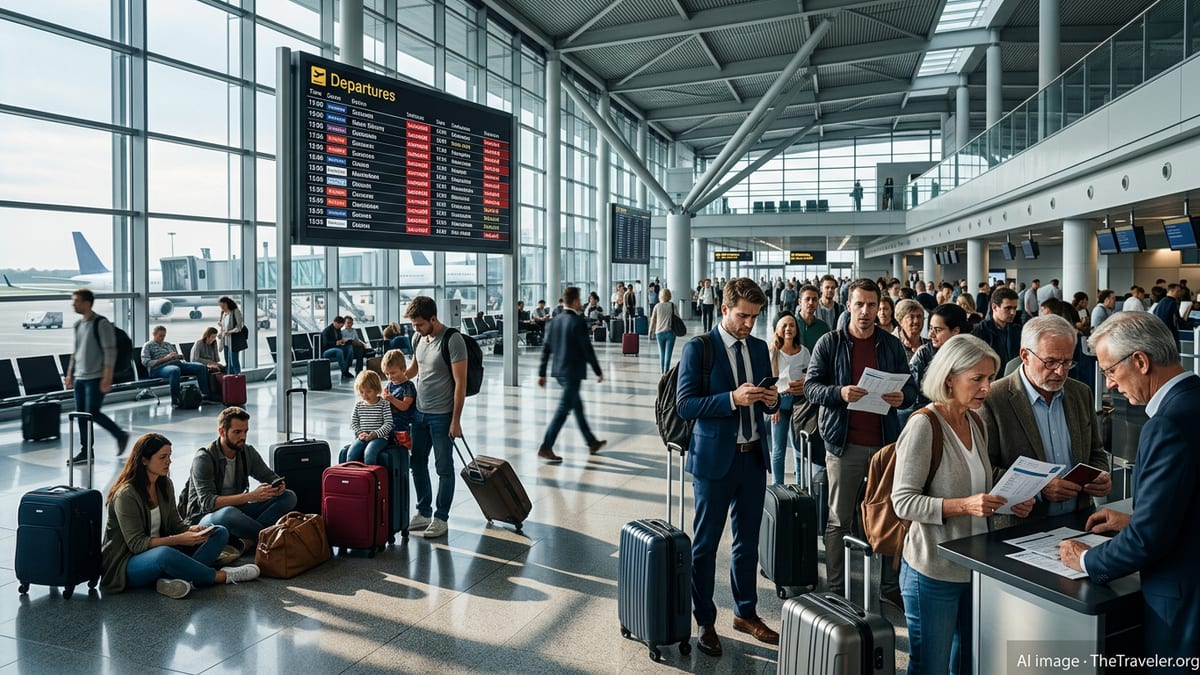
CAA data puts Tui at bottom of punctuality league
Recent analysis of flight statistics from the UK Civil Aviation Authority indicates that Tui ranks among the least punctual major airlines operating from UK airports. Consumer group breakdowns of the CAA numbers, covering the period from 2019 through to spring 2025, show Tui at or close to the bottom of on-time departure tables when measured against other big UK carriers such as British Airways, easyJet, Jet2, Ryanair and Wizz Air.
The figures look at the share of flights leaving within 15 minutes of their scheduled departure time. According to published coverage of the data, Tui’s on-time departure rate, which was already comparatively low at just under 67 per cent in 2019, fell to around 56 per cent in 2023. That means nearly half of its UK departures were delayed by more than 15 minutes last year.
More recent snapshots of the year to spring 2025 suggest that punctuality has improved slightly from the 2023 trough but remains weaker than pre-pandemic levels. Across the same period, rival airlines recorded higher rates of on-time departures, leaving Tui firmly among the worst performers in relative terms.
The CAA does not publish a formal “worst airline” ranking, but its open data allows external analysts to compile comparative tables. Those league-style lists, widely reported by UK travel and consumer outlets, consistently show Tui in the relegation zone for delays among the country’s major leisure airlines.
Delays hit leisure travellers hardest at peak holiday times
The impact of Tui’s performance is felt most acutely by leisure travellers heading out of the UK during busy school holiday peaks, when the airline operates a dense schedule to Mediterranean beach destinations and popular islands. Reports from summer 2023 and 2024 described long queues, late departures and passengers arriving at resorts several hours behind schedule.
Because many Tui customers travel on package holidays, delays can cascade beyond the flight itself, affecting onward coach transfers and late-night hotel check-ins. Travel industry commentary notes that families with young children and older travellers are particularly exposed to disruption when departures slip by an hour or more late in the evening.
Industry-wide disruption has made matters worse. Staffing shortages at airports, occasional air traffic control restrictions, severe weather and knock-on “reactionary” delays across European airspace have all contributed to lateness across many airlines. However, analysts say that when performance is compared on a like-for-like basis using CAA data, Tui still emerges as one of the weakest UK operators for punctuality.
Passenger rights specialists add that while only delays of more than three hours typically qualify for statutory compensation on UK and EU routes, shorter but frequent hold-ups can still significantly erode the overall holiday experience, especially on shorter breaks where travellers lose meaningful time at their destination.
Tui points to system-wide pressures and operational complexity
Publicly available information from Tui and previous statements to investors acknowledge that the group’s UK operations have faced sustained operational pressures in recent seasons. The company has cited the complexity of its model, which combines airline, tour operating and ground handling partners, as a factor that can amplify disruption when something goes wrong in the chain.
Like many carriers, Tui has pointed to factors such as air traffic control staffing, airport resource constraints and tight post-pandemic schedules as contributors to longer turnaround times on the ground. Aviation reports show that delays attributed to reactionary causes, where an aircraft arrives late from a previous flight and cannot depart on time, remain elevated across Europe compared with 2019.
The airline has previously said it is working with airports and service providers to strengthen resilience, adjust schedules where necessary and improve communication with customers when disruption occurs. Updated conditions of carriage for Tui Airways emphasise that published flight times are not guaranteed but state that the airline will take all reasonable measures to avoid delay and to care for affected passengers.
Analysts note that while systemic issues affect all carriers to some degree, persistent underperformance against peers over several years suggests airline-specific scheduling and resource decisions are also playing a part. For Tui, that has translated into a reputational challenge at a time when demand for overseas holidays from UK travellers remains robust.
What delays mean for passenger rights and compensation
For UK travellers flying with Tui, the growing spotlight on punctuality has renewed interest in compensation and care rules. Under retained EU and UK regulations, passengers departing from UK airports, or flying into the UK on a UK or EU carrier, may be entitled to compensation when flights arrive more than three hours late and the disruption is not caused by extraordinary circumstances.
Legal guidance summarising the regime shows that fixed-sum payments are banded by flight distance and delay length, with amounts typically ranging from just over two hundred pounds to more than five hundred pounds per person for long-haul journeys. In addition, airlines must provide meals, refreshments and accommodation when delays stretch over certain thresholds, irrespective of any later cash compensation.
Because the CAA data underpinning recent league tables counts all delays beyond 15 minutes, far more flights are classified as late than will ever trigger formal compensation. Even so, consumer advocates argue that consistent poor punctuality should prompt travellers to check their rights carefully, keep boarding passes and records of actual arrival times, and pursue claims where they believe the rules have been met.
Advisers also recommend that passengers build extra contingency into their plans when flying with airlines that have weaker on-time records, particularly when connecting to cruises, weddings or other time-critical events. For many Tui customers on once-a-year family holidays, a lengthy delay can have an outsized emotional and financial impact.
Pressure grows on airlines to improve reliability
The focus on Tui’s position near the bottom of punctuality tables comes as regulators, airports and airlines debate how to strengthen reliability across the UK aviation system. European punctuality reports show that major hubs such as London Gatwick and other busy airports continue to struggle with congestion, limiting the ability of any single airline to guarantee smooth running.
Industry bodies say that investments in air traffic management technology, improved staffing and more realistic scheduling will be needed to bring on-time performance back toward pre-pandemic norms. At the same time, campaign groups argue that airlines should be more conservative in building their timetables, leaving greater buffers between flights to absorb inevitable disruptions.
For Tui, remaining among the worst UK airlines for delays risks making the brand a case study in how prolonged operational strain can affect a leisure-focused carrier. As peak summer travel approaches, observers will be watching closely to see whether changes behind the scenes are enough to lift the airline out of the punctuality relegation zone or whether late departures will again be a defining feature of many British holidaymakers’ trips abroad.