


More news on this day
Europe’s new Entry-Exit System is under renewed scrutiny after border control bottlenecks at Italian and French airports left well over 100 passengers stranded in recent days, intensifying concerns ahead of the peak summer travel season.
Get the latest news straight to your inbox!
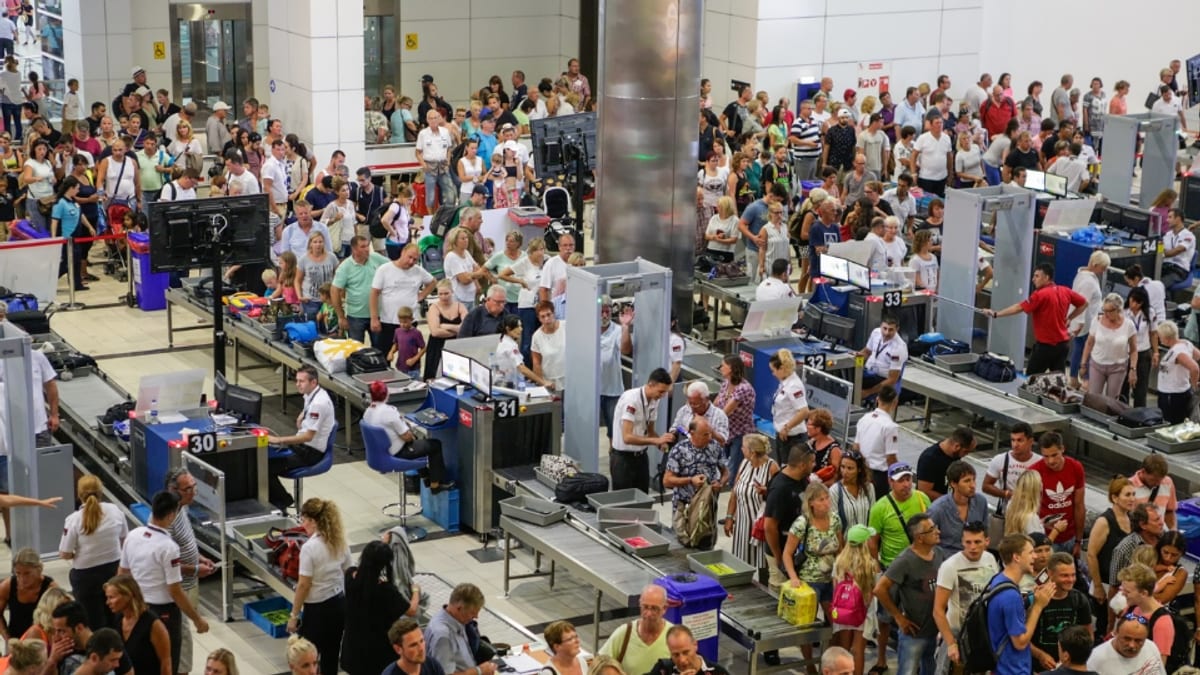
Missed Flights in Milan and Marseille Highlight Early Strains
Reports from multiple European airports indicate that the rollout of the EU’s biometric Entry-Exit System has coincided with serious disruption for non-EU travellers. At Milan’s Linate Airport, more than 100 passengers were left behind when a flight to Manchester departed without them while they were still waiting in lengthy passport control queues linked to the new process, according to recent coverage shared by affected travellers and UK media reports.
In a separate incident at Marseille Provence Airport, border control problems contributed to 83 passengers being stranded after a disrupted departure to Marrakesh. Publicly available information about the episode describes long waiting times, bottlenecks at border booths and a knock-on effect on aircraft turnaround, underscoring how fragile airport operations can become when a new layer of checks is added to already stretched infrastructure.
Together, the Milan and Marseille events point to a pattern rather than isolated mishaps. They follow months of warnings from airport and airline groups that the Entry-Exit System, which records fingerprints, facial images and detailed travel histories for non-EU nationals, risked overwhelming frontline capacity if not introduced with sufficient flexibility and staffing.
From Security Upgrade to Passenger Bottleneck
The Entry-Exit System was conceived as a cornerstone of the EU’s border management strategy, promising stronger security and improved tracking of short-stay visitors. The scheme replaces manual passport stamping with automated registration of biometric and biographic data at the first point of entry, creating a centralised record for each traveller’s crossings.
However, transforming that concept into a smooth experience at busy airports has proved challenging. Recent industry assessments and press coverage describe technical glitches, slow enrolment at kiosks and cumbersome data capture processes that significantly prolong each passenger interaction. Even small additional processing times, when multiplied by planeloads of travellers, have produced queues of two to three hours at some Schengen border points.
Infrastructure constraints have amplified the problem. Many terminals were designed around traditional passport control, leaving limited room to add biometric kiosks or reconfigure queues. Where new equipment has been installed, there are reports of passengers needing repeated attempts at fingerprint or facial recognition captures, further slowing throughput and increasing frustration.
Airports and Airlines Call for Flexibility
The incidents in Milan and Marseille coincide with fresh appeals from European aviation bodies for a review of how the Entry-Exit System is being run during its first full season of operation. Publicly available statements from airport and airline associations highlight that, while the underlying objective of enhanced security is widely supported, practical implementation has not kept pace with passenger volumes.
Industry groups argue that airports cannot simply absorb longer processing times without additional latitude on how checks are carried out. Some are urging temporary adjustments in the way enrolment is phased, more discretion to open extra manual lanes when queues surge, and faster deployment of trained staff and upgraded hardware at the busiest gateways.
National authorities have already moved to ease pressure in certain locations. In Portugal, for example, publicly reported decisions in recent weeks have included the temporary suspension of Entry-Exit procedures at some airports during peak weekends to avoid excessive delays, highlighting how governments are experimenting with stopgap measures while longer-term solutions are developed.
Passenger Rights and Compensation Questions
As more travellers recount missed flights and abandoned connections linked to border queues, questions are growing over how existing passenger rights frameworks apply to disruptions associated with the Entry-Exit System. Under European air travel rules, airlines can be liable for compensation when delays or cancellations are within their control, but responsibility is less clear when state-managed border controls are the primary cause.
Recent accounts from stranded passengers in Milan and Marseille describe confusion at departure gates, with some travellers reportedly told to seek assistance from border police while airlines cited security procedures as the reason they were unable to delay departure. Consumer advocates are now examining where the line falls between unavoidable security measures and operational planning that should anticipate known bottlenecks.
Legal specialists following regulatory developments note that ongoing work to modernise EU air passenger rights could eventually address these emerging scenarios more explicitly. For now, passengers caught out by Entry-Exit delays often face a patchwork of remedies, ranging from goodwill rebooking and hotel vouchers to situations where they must purchase entirely new tickets.
What Travellers Can Expect This Summer
With the summer holiday season approaching, the recent incidents are fuelling concern that the Entry-Exit System could turn already busy weekends into flashpoints for disruption, especially at major hubs handling large numbers of non-EU visitors. Publicly available guidance from airlines and airports increasingly urges travellers to arrive much earlier than before, in some cases advising four hours for departures to or from the Schengen area.
Travel industry observers suggest that the impact will vary significantly between airports, depending on how quickly they have been able to install equipment, train staff and redesign passenger flows. Locations that rely heavily on manual checks or have limited physical space for additional kiosks are seen as particularly vulnerable during peak hours.
Despite the rocky start, officials at the European level have stressed in public documents that the Entry-Exit System is intended as a long-term investment in secure and efficient borders. The coming months will test whether incremental adjustments can bring waiting times under control, or whether further structural changes will be required to prevent scenes like those in Milan and Marseille from becoming a regular feature of European travel.