


More news on this day
Rapidly spreading wildfires in northeast Florida have disrupted rail travel across the state, stranding hundreds of Amtrak passengers, canceling popular long-distance routes and prompting evacuations near burning brush and timberland.
Get the latest news straight to your inbox!
Brush Fires Along Rail Corridor Shut Down Key Routes
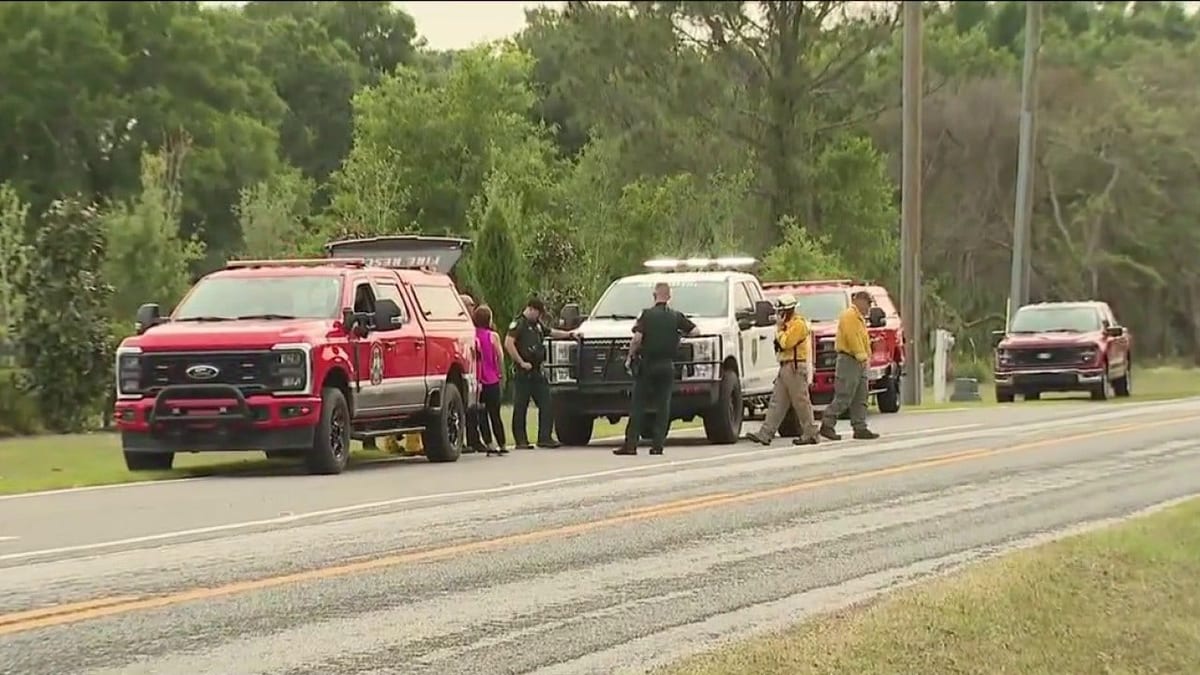
Publicly available information shows that a large complex of wildfires along the Clay and Putnam County line, south of Jacksonville, forced a shutdown of rail traffic on Monday, April 20. The Florida Forest Service has reported that separate fires in the area have effectively merged into one major blaze, with estimates ranging from about 2,700 acres over the weekend to more than 3,000 acres burned by Monday afternoon as containment efforts struggled against dry and windy conditions.
The fires are clustered near active freight and passenger rail lines, creating a direct threat to train operations. Local coverage from northeast Florida indicates that multiple brush fires first flared along tracks near Green Cove Springs and surrounding communities, quickly expanding through parched vegetation. The fire front has pushed up to the rail corridor in several locations, prompting rail operators to halt traffic as smoke, flames and firefighting activity made the line unsafe.
As a result, Amtrak suspended movements on a north–south segment that serves as a critical gateway for long-distance trains entering and leaving the Florida peninsula. The stoppage effectively severed through-service along the East Coast rail spine, with cascading impacts on passengers as far away as Miami, Orlando, Savannah and points farther north.
Reports from regional broadcasters and local stations note that crews are concentrating on protecting nearby homes and infrastructure while attempting to keep the fire from crossing highways and rail beds. Dry-season conditions and pockets of thick brush have complicated those efforts, and smoke plumes have reduced visibility over adjacent roads and communities.
Amtrak Cancellations Leave Passengers Stranded for Hours
Travel coverage and local news reports document that Amtrak’s Auto Train service between Sanford, near Orlando, and Lorton, Virginia, was fully canceled for Monday due to the wildfire threat near the Jacksonville area. The Auto Train, which allows travelers to transport their vehicles between Florida and the Mid-Atlantic, is one of the state’s busiest intercity rail offerings, and its sudden suspension has disrupted the plans of hundreds of motorists at the tail end of the spring travel season.
Other long-distance trains have also been significantly curtailed. According to published schedules and alert summaries, the Silver Meteor, which normally runs between Miami and New York, has been temporarily truncated, starting and ending in Jacksonville instead of South Florida. One of its round trips has been canceled for Tuesday as Amtrak contends with blocked tracks and equipment displaced by earlier disruptions.
The Floridian, a daily route linking Miami and Chicago via Washington and Tampa, is also affected. Publicly available information shows that the train is beginning and ending in Savannah rather than Miami, with at least one trip canceled to allow crews to reposition trains and keep them away from the most active fire zones. In an effort to maintain some connectivity, Amtrak has arranged limited bus transportation between Jacksonville and South Florida for affected passengers on certain departures.
Beyond cancellations, individual trains have been held in place for extended periods. Coverage from regional outlets and passenger accounts describes one Silver Meteor train stopped north of DeLand, in Central Florida, for many hours after dense smoke and fire activity forced dispatchers to close the line ahead. Riders expecting an overnight journey up the East Coast instead faced uncertainty, improvised onboard service and, in some cases, missed connections to flights, cruises and special events.
Evacuations and Emergency Shelters in Clay and Putnam Counties
The same fires disrupting rail travel are also affecting rural communities along the county line between Clay and Putnam. Local radio and television reports indicate that an evacuation point has been set up at a church near Green Cove Springs for residents who need to leave their homes because of encroaching flames or heavy smoke. While some advisories have urged residents in specific neighborhoods to be ready to evacuate, as of Monday afternoon many areas remain under watch-and-wait conditions rather than broad mandatory orders.
Officials in both counties have emphasized, through publicly available statements and briefings, that the situation is fluid. Shifting winds could push the fire toward additional neighborhoods or infrastructure, including more segments of the rail corridor or nearby highways. Fire lines, bulldozer cuts and water drops are being used to steer the blaze away from homes, transmission lines and transportation routes, but so far the combination of low humidity and accumulated dry brush has allowed the fire to advance in multiple directions.
Evacuation guidance has focused on residents in the Eagle Creek area and surrounding communities, which sit close to the most active portions of the fire. People living in these zones have been urged through local alert systems and media reports to gather important documents, medications and supplies in case evacuation orders expand. With overnight smoke already affecting air quality, some families have chosen to relocate voluntarily to friends, relatives or the designated shelter.
Travelers driving through northeast Florida are being advised in traffic reports to monitor conditions closely and be prepared for intermittent closures or detours on secondary roads as fire crews move equipment and establish control lines. Visibility can drop quickly when wind shifts push thick smoke over highways, adding an extra hazard for motorists who may already be facing delays due to closed rail crossings and redirected trains.
Ripple Effects for Spring Travel Across the Southeast
The disruption comes at a busy time for both domestic and international visitors moving through Florida and the broader Southeast. Spring is a high-demand period for rail travel along the East Coast, with vacationers heading home from theme parks and beaches and snowbirds returning north. The sudden loss of through-service on several Amtrak routes has forced many travelers to scramble for last-minute rental cars, regional flights or hotel rooms.
Travel industry analysts note that when long-distance trains are halted at intermediate cities such as Jacksonville or Savannah, the logistical fallout extends well beyond the immediate fire zone. Crews and equipment must be repositioned, connecting passengers may miss onward trains in major hubs, and downstream delays can ripple through schedules for days. In this case, the combination of full cancellations and partial truncations has effectively shut down non-stop rail travel in and out of the Florida peninsula until the line can safely reopen.
Airlines and intercity bus operators may see short-term spikes in demand as displaced rail passengers look for alternatives. However, capacity on some routes is limited, particularly for travelers who were transporting vehicles on the Auto Train and now have to drive longer distances than planned. Hotel bookings around Jacksonville, Central Florida and parts of coastal Georgia may also increase as stranded passengers look for overnight accommodations while waiting for updated travel options.
For visitors already in Florida, the wildfires are a reminder that the state’s peak tourism season overlaps with its driest months, when brush fires can spread quickly along roadways and rail lines. Travel advisories from local media encourage people with upcoming train journeys through the region to check schedules frequently, build extra time into itineraries and be prepared for itinerary changes, including possible transfers to buses or alternative stations.
Outlook as Firefighters Battle Changing Conditions
As of late Monday, published incident summaries and local coverage suggest that containment remains limited across the Clay and Putnam County fire complex, though crews have made progress on some flanks. Forecasts call for continued dry weather in much of north Florida, leaving little immediate natural relief for firefighters working long hours to keep flames away from homes, major roads and power lines.
Rail operations in the area are expected to remain constrained until ground and bridge inspections can confirm that tracks, signaling equipment and nearby structures are safe. Even once the main line reopens, Amtrak and freight carriers are likely to move cautiously through the corridor, which could mean slower speeds and lingering schedule adjustments over the coming days.
Travel observers point out that wildfires have become a recurring source of disruption for transportation networks across the United States, affecting not only trains but also highways and airports when smoke reduces visibility. The current situation in Florida illustrates how quickly a regional brush fire can escalate into a multi-state travel issue when it intersects with a major rail artery used by long-distance passenger trains.
For now, travelers with plans involving Florida rail routes are being encouraged by publicly available advisories and travel news outlets to monitor real-time service alerts, stay flexible about departure dates and be ready to switch to alternate modes of transportation. As fire crews work to strengthen containment lines and weather patterns evolve, transportation providers will continue adjusting operations in an effort to balance passenger safety with the region’s strong demand for spring travel.