


More news on this day
Air passengers across Europe faced another bruising day of disruption as publicly available data showed 103 flights cancelled and 2,724 delayed, snarling operations at major hubs in the Netherlands, Switzerland, the United Kingdom, Portugal and Greece and affecting carriers from KLM and easyJet to Air France, SAS, Wizz Air and airBaltic.
Get the latest news straight to your inbox!
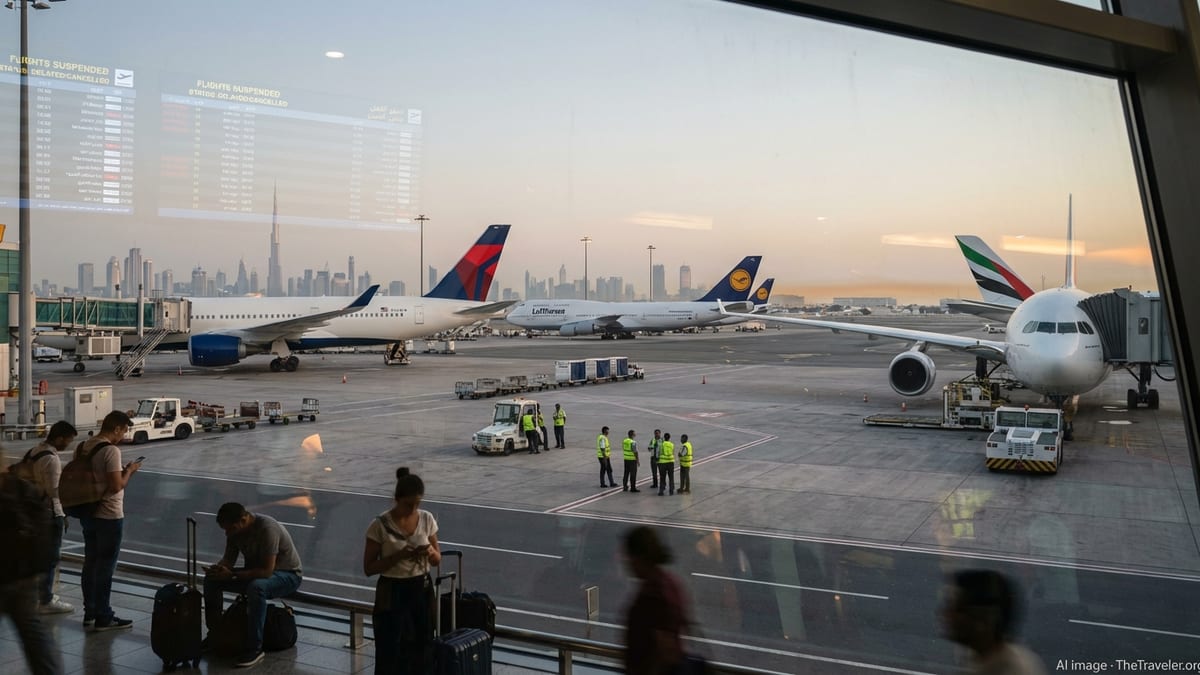
Major Hubs From Amsterdam to Athens Under Strain
The latest wave of disruption has concentrated on some of Europe’s busiest airports, including Amsterdam Schiphol, Zurich, London’s main hubs, Lisbon and Athens. Operational statistics and specialist flight-tracking services indicate that these airports collectively accounted for a significant share of the 103 cancellations and thousands of delayed departures and arrivals.
Amsterdam Schiphol, the primary base for KLM and a key European transfer point, again emerged as one of the most affected airports. Recent daily tallies have shown hundreds of delayed movements and a double-digit number of cancellations, with reactionary knock-on effects rippling across KLM’s short and long haul network. As aircraft and crew rotated through Schiphol, even minor timing issues cascaded into missed connections and forced rebookings across Europe, North America and Asia.
Zurich in Switzerland and London’s main airports also reported elevated disruption levels, according to independent tracking dashboards that aggregate traffic across the region. Lisbon and Athens, both critical gateways for leisure traffic into southern Europe, registered heavy clusters of late departures and arrivals, stretching ground handling capacity and making it difficult to keep aircraft in position for subsequent rotations.
Across the network, the delays outweighed outright cancellations, but the combination of more than one hundred scrapped flights and several thousand late operations translated into long queues at check in, bottlenecks at security and passport control, and busy rebooking desks at multiple hubs.
Airlines From KLM to Wizz Air Face Network Disruption
The disruption cut across full service and low cost carriers alike. Reports from analytics platforms that monitor punctuality and cancellation trends show KLM and Air France facing particular pressure at their shared Amsterdam and Paris hubs on recent days, with Schiphol serving as a focal point for both cancellations and rolling delays.
Low cost operators including easyJet and Wizz Air also appeared prominently in delay and cancellation tables, especially at London, Lisbon, Athens and regional airports feeding into those hubs. These carriers typically operate tight turnarounds and high aircraft utilisation, which can make them especially vulnerable when air traffic control constraints, ground delays or weather force even modest timetable adjustments.
Scandinavian carrier SAS and central and eastern European operators such as airBaltic have likewise been caught in the turbulence, according to operational summaries and historical punctuality data that track their performance at major European airports. While their absolute numbers of cancellations remain lower than those of the largest groups, even a limited set of grounded or heavily delayed flights can upset carefully choreographed connections at secondary hubs.
Publicly available overviews of European aviation performance suggest that the current pattern fits into a broader trend of high traffic volumes and constrained margins across the continent’s networks. Airlines have been attempting to balance strong demand with lingering staffing challenges, high fuel costs and limited slack in schedules, leaving them with fewer options when operational pressure spikes.
Causes Range From Capacity Constraints to Weather
The specific causes behind each of the 103 cancelled flights vary by airline and route, but recent reporting points to a familiar mix of factors. Air traffic control capacity constraints in congested sections of European airspace, particularly around the UK and the Benelux region, have repeatedly led to flow restrictions and departure slots that force airlines to hold aircraft on the ground or reroute them through less direct paths.
Weather has also continued to play a role, especially where thunderstorms or strong winds have narrowed usable runway capacity at airports such as Amsterdam, London and Zurich. Even brief weather-related slowdowns can generate long-lasting queues of departures and arrivals, pushing subsequent rotations behind schedule and creating the reactionary delays reflected in today’s tally.
Operational bottlenecks on the ground, including shortages in handling staff and technical issues with airport systems, have added to the strain. In earlier episodes this year, publicly shared airline and airport updates cited shortages of key equipment such as de-icing fluid at northern hubs, as well as temporary technical glitches at air traffic control centres, as triggers for clusters of cancellations and large banks of late flights.
Industry observers note that these factors rarely act in isolation. Instead, a day that begins with modest weather challenges or minor technical limitations can quickly escalate into a broad network issue when aircraft and crews fall out of position, especially at large connecting hubs such as Amsterdam, London and Zurich that serve as pivots for many carriers’ European operations.
Passengers Face Missed Connections and Long Queues
For travellers, the immediate impact of 2,724 delayed flights is felt in missed connections, disrupted itineraries and long waiting times in crowded terminals. When flights into major hubs arrive late, passengers with onward journeys to secondary European cities or long haul destinations can find themselves rebooked on later departures or rerouted through alternative gateways.
Public guidance from passenger advocacy organisations notes that a relatively short delay on an initial sector can translate into an overnight stay if the last onward flight of the day has already departed. This has been a particular risk at transfer-heavy hubs like Amsterdam, Zurich and London Heathrow, where many intercontinental departures leave in tightly bunched waves.
Airport operations teams have responded by adjusting queuing systems, deploying additional staff where available and using digital signage and messaging to direct passengers toward rebooking desks or self-service tools. Nonetheless, images and accounts shared via public channels show lengthy lines at customer service points and congested seating areas as travellers wait for updated departure times.
Travel specialists suggest that passengers with upcoming trips through the affected hubs build additional time into their plans, especially for connections, and monitor flight status closely in the 24 hours before departure. Flexible tickets, travel insurance that covers missed connections and a willingness to accept alternative routings are being highlighted as useful tools in navigating the current period of instability.
Broader European Traffic Trends Point to Ongoing Volatility
The latest figures on cancellations and delays come against a backdrop of sustained growth in European air traffic. Recent aviation overviews drawing on Eurocontrol data show that daily flight movements across the continent have regularly climbed above 31,000 in 2026, with airspace capacity, weather and reactionary effects listed as key contributors to system-wide delay minutes.
Published coverage of earlier disruption spikes this year has already detailed days with more than one hundred cancellations and several thousand delays across Europe, including at Amsterdam, London, Zurich and Athens. Those episodes were linked to combinations of staff shortages, industrial action at air navigation service providers and severe weather patterns, underlining the vulnerability of a densely utilised network to any single point of failure.
Analysts observing these trends note that airlines are gradually attempting to build more resilience into their schedules, for instance by lengthening turnaround times on highly congested routes or trimming the least reliable rotations. However, with demand remaining robust and competition intense, there is limited scope to reduce utilisation without affecting profitability or market share.
For now, travellers can expect periodic days of significant disruption to remain a feature of European aviation. The latest count of 103 cancellations and 2,724 delays highlights how quickly stress in a few key hubs can spread across borders, entangling flag carriers, low cost operators and regional airlines in the same web of missed departure slots, diverted aircraft and frustrated passengers.