


More news on this day
Hundreds of travelers across Europe are facing major disruption as data from passenger-rights trackers and flight-status services indicates at least 33 flight cancellations and around 1,545 delays concentrated at major hubs in the Netherlands, France, Finland, Norway and Italy.
Get the latest news straight to your inbox!
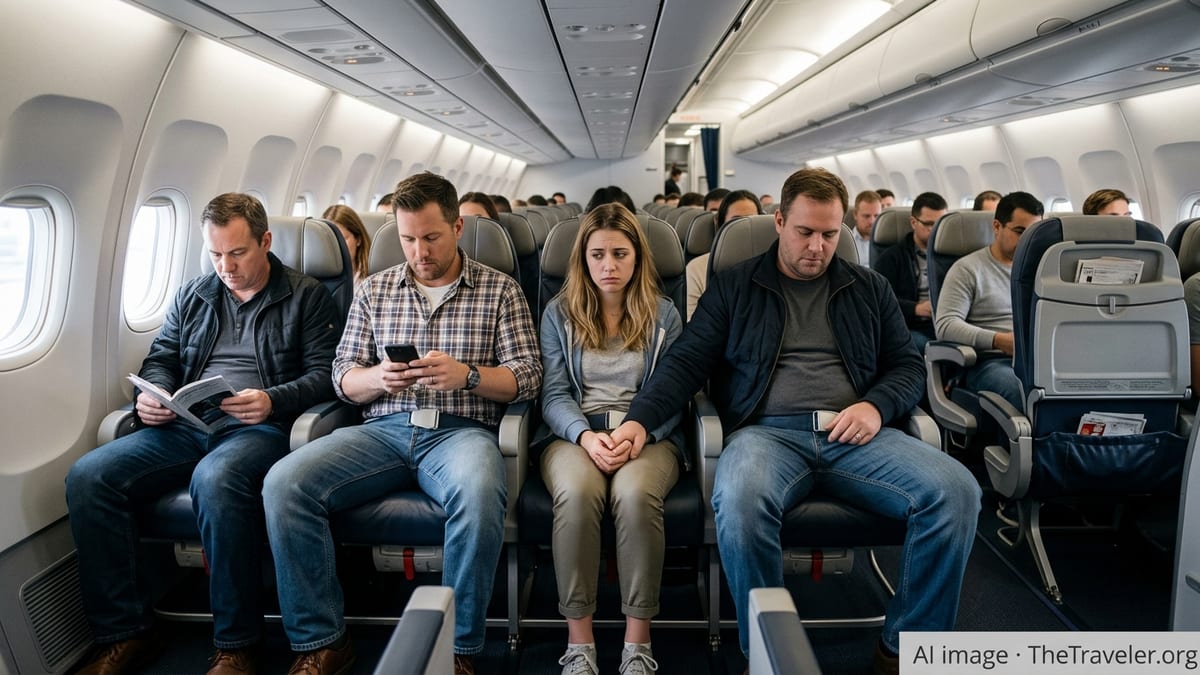
Delays Mount at Amsterdam, Paris and Other Major Hubs
Operational data for Thursday, May 28, 2026, points to widespread schedule disruption at large European airports, including Amsterdam Schiphol, Paris Charles de Gaulle, Helsinki, Oslo and Milan, with additional knock-on effects at secondary hubs. Aggregated dashboards used by air-passenger claim services list 33 cancellations and more than 1,500 delayed departures and arrivals across Europe, affecting morning and afternoon banks of flights.
At Amsterdam Schiphol, flight-status tools show clusters of delayed departures on key KLM and partner routes within Europe, mirroring patterns seen during previous periods of capacity strain at the Dutch hub. Recent analyses of KLM’s operational strategy indicate the carrier has been proactively trimming and retiming European flights when congestion rises at Schiphol, a tactic now reflected in extended departure delays on short-haul sectors linking Amsterdam with cities such as Paris and Milan.
Paris Charles de Gaulle has also recorded a higher-than-normal number of late departures and arrivals on intra-European routes. Real-time trackers monitoring segments such as Amsterdam–Paris and Paris–Helsinki show multiple services operating behind schedule, underlining how a handful of early disruptions can ripple quickly through tightly banked hub operations.
Across the wider European network, publicly available figures from air-disruption monitoring services suggest that Thursday’s delays are not isolated to one or two airports. Instead, a broad belt of hubs from the Low Countries to Scandinavia and northern Italy is experiencing schedule slippage, complicating connections and forcing airlines to rebook passengers on already crowded later services.
Impact on SAS, KLM, Finnair, Lufthansa, Iberia and Others
The latest disruption is affecting a wide range of carriers, with Scandinavian, Nordic and Central European airlines among those most exposed. Listings from flight-compensation platforms for recent Europe-wide disruption periods highlight SAS, KLM, Finnair, Lufthansa and Iberia among the airlines most frequently associated with delayed and canceled services on hub-to-hub routes.
In Scandinavia, SAS services linking Norway and Denmark with continental Europe have shown punctuality pressure in recent weeks, building on a pattern of selective cancellations that the airline introduced earlier this year in response to higher fuel costs and capacity constraints. Routes into Oslo and other Norwegian gateways are particularly sensitive to upstream delays, meaning even modest schedule changes at larger hubs can cascade into missed connections for travelers heading deeper into the region.
Finnair operations around Helsinki are also under strain. A four-hour walkout by ground-handling staff at Helsinki Airport on May 27 forced Finnair to cancel more than 100 flights and disrupted travel for thousands of passengers, with recovery efforts still visible in the form of late-running services and altered rotations the following day. Travel-management companies report that the Helsinki disruption pushed passengers onto rail and coach alternatives on domestic legs, while regional competitors added capacity on select routes to absorb demand.
German carrier Lufthansa and Spanish airline Iberia, both central players in Europe’s hub-and-spoke system, feature prominently in recent disruption tallies compiled by passenger-rights advocates. Data from an earlier but comparable wave of disruptions this year showed these airlines among those with the highest volumes of delayed or canceled services at airports such as Frankfurt, Madrid, Amsterdam and Paris, illustrating how systemic bottlenecks can quickly affect multiple airline groups.
Italy Strike Risk Adds Fresh Uncertainty
The operational challenges come as Italy prepares for a nationwide air transport strike on Friday, May 29, 2026, which is expected to compound difficulties for travelers already grappling with delays. Publicly available strike notices and consumer-advice briefings indicate that airport and ground-handling staff at all major Italian airports, including Rome Fiumicino, Milan Malpensa, Naples and Venice, are due to participate.
Advisories aimed at travelers estimate that more than a thousand flights could be canceled in Italy alone if the strike proceeds at projected participation levels, potentially affecting close to 200,000 passengers. A similar walkout earlier in May led to extensive cancellations and congestion-driven delays of up to 90 minutes, even for flights operating in so-called protected time windows, suggesting that Friday’s action could reverberate across European networks for the entire weekend.
Large network carriers such as Lufthansa and Iberia, along with low-cost operators including Ryanair and easyJet, are expected to feel the impact most acutely on flights touching Italian territory. With Milan already experiencing delays linked to wider European congestion, the addition of strike-related cancellations risks turning the city’s airports into bottlenecks for services connecting northern Italy with hubs in the Netherlands, France, Germany and Scandinavia.
Travel disruption specialists note that airlines and airports will likely compress as many operations as possible into limited protected windows on strike day, leading to heavy crowding in terminals and extended queues at check-in and security. Passengers bound for Italy or connecting through its airports are being encouraged by consumer groups to monitor their flight status closely and consider flexible rebooking options where available.
Passenger Rights Under EU261 and Practical Advice
The current wave of disruptions is once again drawing attention to European Union air passenger protections. Under Regulation EC261, travelers departing from EU, EEA and certain associated airports are entitled to assistance and, in many cases, financial compensation when flights are significantly delayed or canceled, provided the disruption is not caused by extraordinary circumstances outside an airline’s control.
Passenger-rights organizations and claim platforms emphasize that compensation eligibility depends on several factors, including flight distance, delay length and the root cause of the disruption. Industrial action by an airline’s own staff, crew shortages or operational misplanning are generally more likely to trigger compensation obligations, while air-traffic control restrictions, some security events and certain third-party strikes may qualify as extraordinary circumstances.
Consumer advocates recommend that affected travelers keep all documentation related to their trip, including booking confirmations, boarding passes, delay notifications and receipts for meals, hotels and alternative transportation. Such records are often necessary when submitting direct claims to airlines or seeking assistance from specialized compensation services after the disruption.
Travel insurers are also advising customers to check the fine print of their policies, as some plans provide additional coverage for missed connections, overnight stays or nonrefundable elements of a trip when delays exceed a specified threshold. With delays and cancellations now affecting multiple hubs simultaneously, policyholders may find that a combination of statutory rights and insurance benefits offers the most comprehensive protection.
What Travelers Should Do Now
With hundreds of flights across Europe operating late on Thursday and the prospect of large-scale cancellations in Italy on Friday, travel planners are urging passengers to build extra time into itineraries. Guidance shared by airlines and industry bodies commonly suggests allowing longer layovers where possible, particularly when connecting through busy hubs such as Amsterdam, Paris, Frankfurt or Milan.
Many carriers, including KLM, Finnair, Lufthansa and Iberia, maintain disruption pages and travel-alert channels that are updated as schedules change. Publicly available information shows that some airlines may permit free rebooking or offer vouchers during periods of operational stress, especially when delays extend beyond several hours or when flights are canceled outright.
Experts in corporate travel management also highlight the value of multimodal backup plans. During the recent disruption around Helsinki, for example, rail and long-distance coach services absorbed some of the passenger overflow on domestic routes, and similar patterns have been observed during strikes in France and Italy. For short intra-European trips, flexible travelers may find that train or coach options provide more predictable arrival times than heavily disrupted air routes.
As Europe heads into the busy summer travel period, aviation-traffic reports from organizations such as Eurocontrol indicate that overall flight volumes are rising compared with last year. While the average delay per flight remains modest across the continent, localized shocks such as strikes, weather events or staffing shortages can quickly overwhelm airport systems and airline schedules, leaving individual passengers facing long waits and complex rerouting even when the broader network appears resilient.