


More news on this day
Passengers traveling through Düsseldorf and Frankfurt on Thursday, 28 May, are facing significant disruptions as more than 350 flights are reported delayed and at least four services canceled across multiple carriers, including Helvetic Airways, Eurowings, Lufthansa and Condor, according to live schedule data and industry monitoring services.
Get the latest news straight to your inbox!
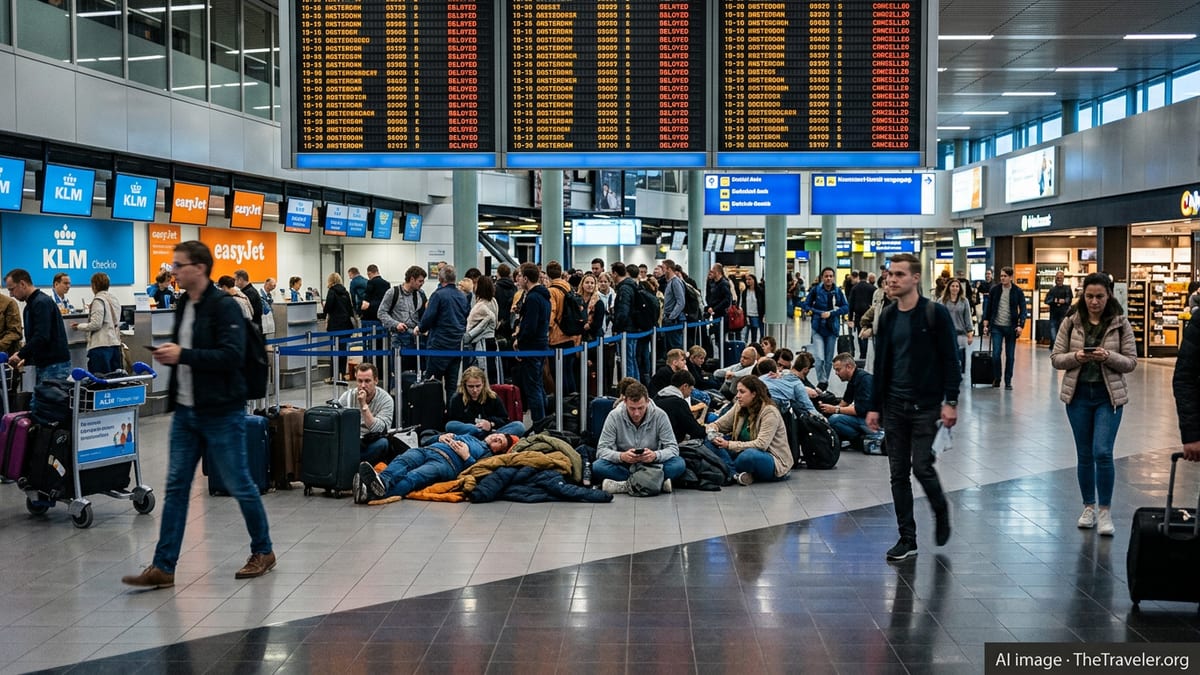
Delays Mount Across Germany’s Busy Western Hubs
Frankfurt Airport and Düsseldorf Airport, two of Germany’s key gateways for both business and leisure travel, have seen a spike in irregular operations, with tracking platforms indicating several hundred delayed departures and arrivals concentrated in the afternoon and evening peaks. The pattern mirrors a wider period of operational strain across German aviation in recent months, driven by schedule adjustments, staffing constraints and residual knock-on effects from labor actions earlier in the year.
Publicly available flight status boards for 28 May show rolling delays affecting short haul and medium haul routes within Germany and across Europe, as well as some longer haul connections routed via Frankfurt. Passengers connecting onward to other European hubs or intercontinental destinations are experiencing missed connections and extended waiting times as aircraft and crews fall out of position.
While overall airport operations in both cities remain functional, the accumulation of delays has produced visible congestion at check in areas, security checkpoints and transfer desks. Travel forums and social media posts from affected travelers describe long queues for rebooking and customer service, with some travelers opting to reroute by rail for domestic journeys.
Multiple Airlines Affected, With Lufthansa Group in Focus
The disruptions are spread across several carriers that maintain significant operations at Frankfurt and Düsseldorf. Data from tracking tools and timetable services indicate that flights operated or marketed by the Lufthansa Group, Eurowings and partner airlines such as Helvetic Airways are among those most affected, alongside selected services by leisure carrier Condor and other European airlines.
Lufthansa has already been navigating a challenging operational environment in 2026, with earlier pilot strikes and a decision to trim parts of its summer schedule. Industry analyses in recent weeks have highlighted reductions in regional feeder services and a rebalancing of capacity on routes into Frankfurt, a hub that relies heavily on tight connection windows to maintain on time performance. These structural adjustments leave the network more exposed when day to day irregularities occur.
Eurowings, which operates a substantial short haul and leisure network from German airports, features prominently in today’s disrupted flights, particularly on routes linking Düsseldorf with other European cities. Separate monitoring of past weeks has shown instances where Eurowings services to and from Düsseldorf were canceled at short notice, underscoring the sensitivity of point to point low cost operations to knock on delays within the wider group network.
Helvetic and Condor Operations Experience Knock On Effects
Helvetic Airways, a Swiss carrier that operates regional jets on behalf of larger airlines under wet lease agreements, has also appeared in disruption reports connected to Frankfurt and other German hubs this spring. Aviation enthusiast discussions and passenger reports have pointed to Helvetic operated feeder services into Frankfurt being canceled or rescheduled as parent carriers reshape their regional networks or face crew and aircraft constraints.
Condor, which has been expanding and repositioning its operations at Frankfurt ahead of moving into a new headquarters in the area, is likewise experiencing some pressure on its schedule. Timetable documents for the current summer season show a broad program of leisure routes into and out of Frankfurt and Düsseldorf, with some feeder and connecting services coordinated alongside Lufthansa and rail partners. When disruption hits at one end of these chains, late inbound aircraft can ripple into subsequent departures.
Today’s disruptions include Condor operated and codeshare flights on intra European sectors as well as long haul leisure services. Passengers booked on package holidays that combine air travel with accommodation are being advised in public travel advisories and consumer guides to stay in close contact with their tour operators, which often hold responsibility for alternative arrangements when flights are significantly delayed.
Recent Strikes and Schedule Cuts Set the Backdrop
Although the immediate catalyst for the more than 350 delays recorded today is a mix of day of operations challenges, the situation in Frankfurt and Düsseldorf is unfolding against a backdrop of repeated disruptions across Germany’s aviation sector in 2026. Earlier in the year, a series of pilot strikes at Lufthansa and associated brands led to large scale cancellations at Frankfurt and Munich, with tens of thousands of passengers affected over several days, according to published coverage by passenger rights organizations and aviation news outlets.
In parallel, Lufthansa Group has been implementing a strategy of reducing or reallocating capacity on certain regional routes, particularly those feeding its main hubs. Industry analysis notes that dozens of daily CityLine operated services have been removed from the schedule, with some smaller regional destinations temporarily dropped and others consolidated into fewer frequencies. While these measures aim to improve reliability and manage costs over the medium term, they can limit the flexibility to recover when irregular operations occur.
Monitoring reports from German research institutes show that Eurowings and Condor have been increasing or reshaping their own networks in and out of Düsseldorf and Frankfurt, contributing to high utilization of both infrastructure and fleets. When weather, staffing gaps, technical checks or air traffic control constraints intersect with this tight planning, delays can escalate quickly, as appears to be the case today.
What Today’s Passengers Can Expect
For travelers already en route or preparing to fly from Düsseldorf or Frankfurt, publicly available guidance from airlines and passenger advocacy groups emphasizes the importance of checking flight status repeatedly on the day of travel. Rebooking options may include later flights on the same airline, alternative routes via other hubs or, for shorter journeys within Germany or neighboring countries, rail options that can be combined with partial ticket refunds or vouchers.
Consumer rights information highlights that passengers departing from European Union airports or flying into the EU with European carriers may be protected by EU air passenger regulations when delays pass certain thresholds or flights are canceled. Compensation and care obligations vary according to the length of delay, route distance and cause of disruption, and passengers are being encouraged by advocacy groups to document their situations carefully in case of future claims.
With schedules for the peak summer travel period still being fine tuned by several airlines serving Germany, observers note that further localised disruption days cannot be ruled out at major hubs such as Frankfurt and Düsseldorf. Today’s wave of more than 350 delays and a handful of outright cancellations underlines how sensitive the system remains, even as overall traffic volumes continue to recover and grow.