


More news on this day
Hundreds of passengers across Canada faced last-minute cancellations and long delays on Thursday as disruptions rippled through major hubs in Vancouver, Toronto and Montreal and onward to regional airports including Kelowna and Victoria.
Get the latest news straight to your inbox!
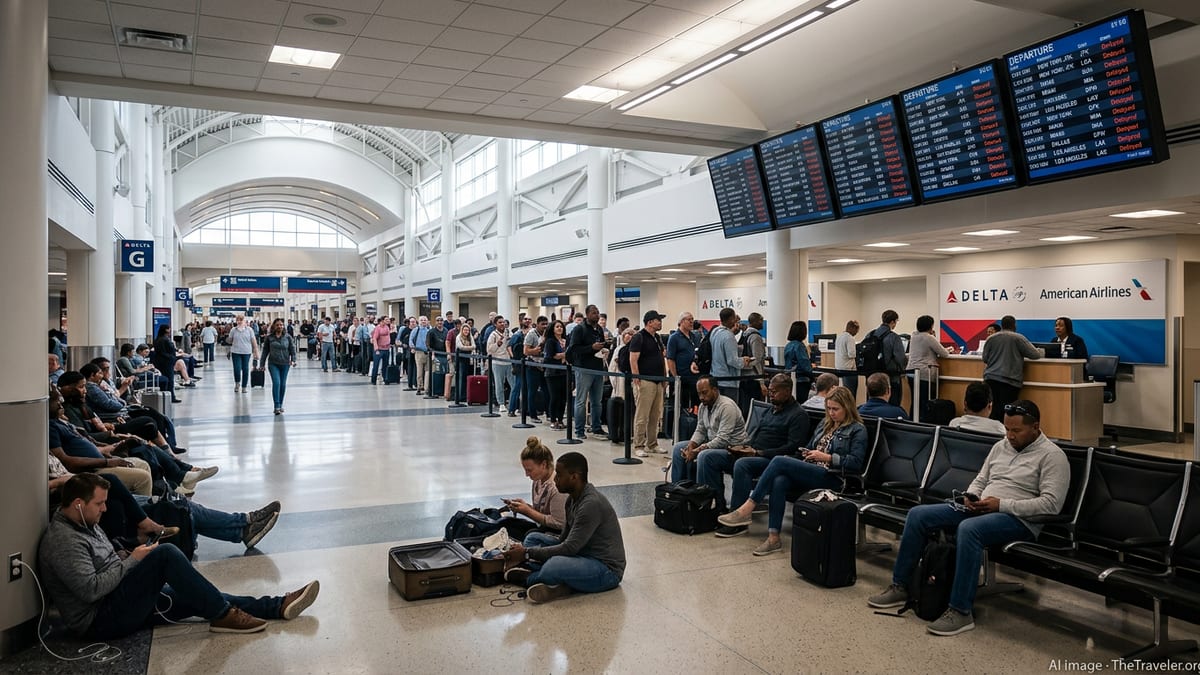
Wave of Cancellations Hits Key Canadian Routes
Publicly available flight tracking data and schedule tools for May 28 indicate at least 32 flights listed as cancelled nationwide, with more than 150 showing significant delays across the day. The greatest concentration of problems has been visible on busy domestic corridors linking Vancouver with Toronto and Montreal, along with connections into British Columbia’s regional gateways such as Kelowna and Victoria.
Services involving Air Canada and its regional affiliate Jazz, WestJet and its Encore operation, as well as Air Canada Rouge and smaller regional and charter carriers, appear repeatedly across the disrupted schedules. On routes where several airlines normally operate in parallel, even a small number of cancellations can quickly translate into full or heavily overbooked alternatives, leaving limited options for same-day rebooking.
Some of the cancellations reflect aircraft or schedule changes that removed flights from timetables in advance, while others show as day-of-operations cancellations or extended delays. For passengers, the distinction often matters little, as both types can still result in missed connections, unexpected overnights and added costs for meals and accommodation.
Regional airports feeding into the main hubs have also seen knock-on effects. Departures operated by Jazz and WestJet Encore from smaller B.C. airports into Vancouver, for example, play a crucial role in getting travelers onto cross-country flights. When those short-haul segments go off schedule, passengers can find themselves stranded far from the major centers where alternative options are more plentiful.
Vancouver, Toronto and Montreal Bear the Brunt
Vancouver International Airport continues to serve as a central chokepoint in western Canada, and current tracking platforms show delays across a mix of domestic and transborder routes. Long-haul services to Toronto and Montreal are heavily trafficked, and even modest timing disruptions can cascade throughout an entire day’s operations.
On the other side of the country, Toronto Pearson remains particularly sensitive to irregular operations. Recent publicly available disruption tallies at Pearson have already highlighted how quickly delays and cancellations can mount when carriers such as Air Canada, Rouge and WestJet encounter operational constraints. Today’s figures, while somewhat lower than those seen during major storms or system outages, are substantial enough to create long lines at check in, rebooking counters and security.
Montreal’s Trudeau Airport is also figuring prominently in today’s disruption picture. The airport functions as a critical node for both domestic flights within Canada and transatlantic services. Delays on key domestic feeders from Vancouver, Toronto and western Canada have the potential to ripple into evening departures to Europe, raising the risk of missed onward connections.
While each airport publishes its own list of departures and arrivals, the full scale of the impact only becomes apparent when data across multiple hubs is viewed together. That combined picture shows pressure building across the country’s three largest gateways, reinforcing how interdependent Canadian airline networks have become.
Regional Links in British Columbia Struggle to Keep Pace
In British Columbia, Kelowna and Victoria provide vital links between interior and island communities and the country’s main hubs. Schedule tools and historic performance data illustrate how these routes, often operated multiple times daily by carriers such as WestJet, WestJet Encore, Air Canada and Jazz, can experience above-average delay rates during periods of operational stress.
Kelowna in particular has seen a series of recent schedule adjustments, including reductions in some nonstop services to Toronto and other long-haul destinations. Travelers counting on seamless same-day connections through Vancouver or Calgary can be left with tight transfer windows or fewer backup options when late-running flights and cancellations coincide.
Victoria’s links to Vancouver and Toronto are also essential for both business and leisure travel. When a Vancouver–Victoria leg is cancelled or substantially delayed, passengers connecting onward to eastern Canada or international destinations may find that there are no remaining same-day alternatives. In those situations, travelers typically face overnight stays and rebooked itineraries that can add a full day to a journey.
Smaller B.C. airports feeding into Vancouver have fewer daily departures, meaning that the cancellation of even a single Jazz or WestJet Encore flight can strand travelers until the next available service. For residents of these communities, disruptions are not just an inconvenience but a potential barrier to reaching time-sensitive events such as medical appointments, work commitments or family obligations.
Airlines Cite Complex Mix of Operational Pressures
Airline operations in Canada at this time of year can be affected by a combination of factors, including shifting spring weather patterns, air traffic control constraints, crew availability and ongoing adjustments to route networks. Publicly accessible statements and regulatory filings from recent months point to persistent pressure on airline staffing and aircraft utilization, which can limit flexibility when unexpected issues arise.
In some cases, flights scheduled under a major carrier’s code are actually operated by partners such as Jazz or Rouge. When those partners adjust their fleets, revise schedules or experience their own operational challenges, the disruptions are reflected in the parent airline’s timetable. That layered structure can complicate rebooking, particularly when travelers purchased tickets through third-party sites or travel agencies.
Recent public coverage of enforcement actions under Canada’s Air Passenger Protection Regulations also suggests that regulators are scrutinizing how airlines classify disruptions and communicate with passengers. Those rules require carriers to offer specific forms of assistance, and in some circumstances financial compensation, depending on the cause and length of a delay or cancellation.
Industry observers note that carriers sometimes proactively cancel flights ahead of forecasted congestion or weather, on the view that a smaller number of cancellations may be preferable to widespread rolling delays. For travelers caught up in the decision, however, the practical effect is similar, particularly when alternative flights are already heavily booked at the start of a busy travel period.
What Stranded Travelers Can Do Right Now
For passengers already at the airport, the most immediate step is to verify the latest status of their flight using official airline channels and airport departure boards. Experience from prior Canadian disruption days shows that third-party tracking tools sometimes lag behind airline systems, especially when schedule changes are made close to departure time.
Travel experts generally recommend that anyone facing a cancellation or long delay document all communications and out-of-pocket expenses related to the disruption. Receipts for food, accommodation and local transport can be important later if travelers seek reimbursement under airline policies, travel insurance or credit card protections.
In Canada, the Air Passenger Protection Regulations outline minimum standards of treatment, including food and accommodation in some situations, depending on the length of delay and whether the cause was within the airline’s control. Public guidance from consumer advocates emphasizes that passengers should review these rules and, when appropriate, submit formal requests through airline customer care channels rather than relying solely on informal assurances at the airport.
For those yet to travel, today’s events are a reminder to build longer connection times into multi-leg itineraries, especially when flying through large hubs or during seasons prone to weather or operational volatility. Nonstop flights, where available, reduce the risk of missed connections, and early-morning departures are often less exposed to knock-on delays that accumulate later in the day.