


Choosing the right time to visit Siena can be the difference between sipping an espresso in a quiet medieval piazza and shuffling shoulder to shoulder through tour groups in the summer heat. With a climate that swings from crisp winter mornings to blazing August afternoons, and crowd surges around the Palio horse races, timing matters. The good news: for travelers who prioritize comfortable weather and fewer people, Siena offers generous shoulder seasons that feel made for slow, immersive exploration.
Get the latest updates straight to your inbox!
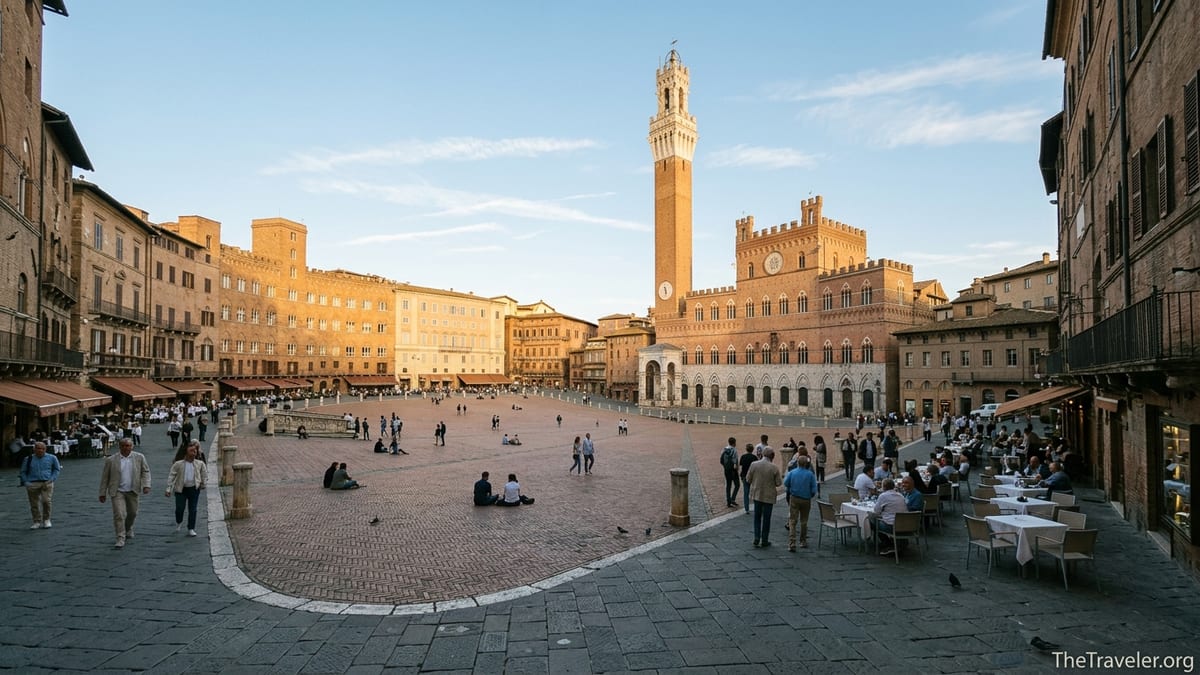
Understanding Siena’s Seasons: Weather and Crowd Patterns
Siena has an inland Mediterranean climate, with warm to hot summers, mild but often damp winters, and glorious shoulder seasons in between. Average summer highs in July and August hover around 30 degrees Celsius, roughly mid‑80s Fahrenheit, while winter days in January can sit closer to 8 or 9 degrees Celsius, the high 40s Fahrenheit. Rainfall is possible all year, but late autumn and early spring tend to be wetter than the height of summer.
For most visitors looking for pleasant temperatures and room to breathe, the sweet spots are spring and early autumn. Local tourism offices frequently highlight April, May, September and October as ideal months, when daytime highs often sit in the 18 to 24 degrees Celsius range. In practice, this means walking up to the Duomo without sweating through your shirt, and enjoying a glass of Vernaccia or Chianti at an outdoor table in Piazza del Campo without baking in direct sun.
Crowds in Siena follow a familiar European pattern. High season runs from roughly mid‑June through late August, peaking sharply around the Palio races on 2 July and 16 August. Hotel rates rise significantly during this window, popular trattorie may require a reservation several days in advance, and lines form for cathedral complex tickets by late morning. In contrast, midweek visits in May or late September often bring shorter queues, more availability in family‑run guesthouses, and a noticeably more relaxed pace in the compact historic center.
The key is to remember that Siena is not a beach resort but a dense medieval town with narrow streets and a central square that fills quickly. Even a moderate increase in visitors can make the city feel crowded. Planning around the seasonal rhythm, and especially the Palio dates, is the single best way to secure better weather and fewer people.
Spring (March to May): Blooming Hills and Comfortable Exploration
Spring is one of the most rewarding times to visit Siena if you value mild temperatures and a sense of space. By late March, the chill of winter begins to fade, with typical highs edging into the mid‑teens Celsius. April and May bring longer days, wildflowers in the surrounding Tuscan hills, and a city center that feels lively without being overwhelmed. You can climb the Torre del Mangia in the late afternoon and still have ample daylight for an aperitivo in Piazza del Campo afterwards.
In practical terms, visiting in April or May makes classic sightseeing far more comfortable. Standing in line for the Siena Cathedral complex, exploring the striped marble interior, and walking the short stretch to the Baptistery all involve climbing and descending stone steps. In summer, those steps can radiate heat; in spring, you are likely to need a light jacket in the morning and a shirt or thin sweater by midday. Outdoor seating at popular spots near Via di Città or along Via Banchi di Sopra usually becomes available without a long wait, especially on weekdays.
Accommodation prices during spring are generally lower than the summer peak, although Easter week can bring a temporary spike. A mid‑range boutique hotel within walking distance of Piazza del Campo might cost significantly less in mid‑April than in late July, and you are more likely to find last‑minute availability for agriturismi in the countryside around Siena. Many travelers pair Siena with a rental car for day trips to nearby wine towns like Montalcino or Montepulciano at this time of year, when the roads are not yet clogged with summer holiday traffic.
Spring also brings local events that do not attract the same global crowds as the Palio but lend atmosphere. Parish festivals, early season food events focused on spring vegetables and young pecorino cheese, and cultural programs at the city’s museums give a sense of everyday Sienese life. For visitors chasing both better weather and fewer crowds, late April and May are often the best compromise between comfort and authenticity.
Summer (June to August): Palio Thrills and Peak Crowds
Summer in Siena is a season of extremes. From roughly mid‑June through August, temperatures climb, crowds swell, and the city throws itself into preparations for the Palio di Siena, the historic bareback horse race held in Piazza del Campo. The main races take place on 2 July and 16 August each year, with trial runs and elaborate neighborhood rituals stretching over several days on either side. For many Italians and repeat visitors, this is the most exciting time to be in Siena, but also the most demanding.
On a typical July or August afternoon, stone facades and paving absorb the sun, and the central streets can feel like a canyon of heat. Thermometers may show low 30s Celsius, but in sheltered alleys the air can feel even warmer. Combine this with thousands of additional visitors, and everything from buying a coffee at a bar to navigating security checkpoints around the Campo can require patience. Travelers who are sensitive to heat or traveling with young children often find this season tiring.
That said, if experiencing the Palio is a dream, you will need to accept the trade‑offs. Hotels and viewing packages for 2 July and 16 August dates are often booked out months, even a year, in advance, with some balconies and private window spots sold as part of multi‑day packages. Expect premium pricing across the board. In exchange, you witness a city transformed: neighborhood contrade flags hanging from every window, mass celebrations in local parish halls, and the surreal sight of live earth packed into Piazza del Campo to form the racecourse.
If you simply happen to be in Tuscany in summer and still want to minimize crowds, consider planning your Siena visit away from the immediate Palio windows. For example, a mid‑June or very early July visit that avoids race day, or a late August stop after Ferragosto holidays, may still be warm but slightly calmer. Arriving early in the morning, before tour buses from Florence and cruise excursions reach the city, allows you to see the Campo and cathedral complex in relative peace even during high season.
Autumn (September to November): Golden Light and Thinner Crowds
Early autumn is often described by locals as a second spring, and for crowd‑averse travelers it can be the most appealing moment to visit Siena. September usually retains much of summer’s warmth, with daytime highs commonly in the mid‑20s Celsius, but the bulk of European school holidays has ended. This creates a sweet spot where you can walk the city in shirt sleeves, dine outside under strings of lights, and still find space to breathe on the main streets.
September and early October are particularly attractive for those combining Siena with wine country. The vendemmia, or grape harvest, typically takes place from late September into October in the surrounding Chianti and Crete Senesi areas. Many wineries open for tastings and cellar tours, and countryside roads around towns like Castelnuovo Berardenga or Asciano are lined with vines turning from deep green to gold. Staying in Siena and joining a small‑group wine tour on a weekday often means visiting cellars without big crowds and enjoying more time with winemakers.
By late October, evenings begin to cool noticeably, and you may need a coat for nighttime strolls past the illuminated Palazzo Pubblico. Rain becomes more frequent, and November is statistically one of the wetter months. The trade‑off is a marked drop in visitors. Hotel rates, particularly in smaller pensioni and family‑run hotels, often fall after the first half of October. If you do not mind bundling up and packing an umbrella, a November midweek visit can mean wandering the narrow lanes near the Basilica of San Domenico in near solitude.
Autumn also brings local religious and cultural celebrations, including events tied to the Madonna and to the contrade neighborhoods that dominated the Palio over the summer. These gatherings, though smaller than the July and August spectacles, offer a more intimate look at Sienese traditions. For travelers seeking good weather, lower density, and deeper cultural immersion, late September and early October are arguably the best weeks of the year.
Winter (December to February): Quiet Streets and Low Prices
Winter in Siena is cool and often damp, but also atmospheric and unusually peaceful. Daytime highs in December, January and February typically sit in the single digits to low teens Celsius, and nights can fall close to freezing. Snow is rare but possible, usually appearing as a light dusting that melts quickly on the terracotta rooftops. Shorter daylight hours mean you will want to plan outdoor sightseeing efficiently, but the reward is a historic center largely free of tourist crowds.
Travelers who come in winter often remark on how local the city feels. Piazza del Campo is dominated by residents walking dogs, chatting outside cafes, and cutting through on their daily errands. Popular restaurants like those tucked along Via dei Rossi or near the Mercato can be visited without weeks‑ahead reservations, and staff have more time to chat about regional dishes such as ribollita, pici all’aglione and wild boar stew. It is also easier to secure tickets for special exhibits at the Santa Maria della Scala complex or smaller museums that might be packed in summer.
From a budget perspective, winter is the most forgiving time to visit Siena. Aside from Christmas and New Year holidays, accommodation rates are typically at their yearly low. A centrally located three‑star hotel that may be aspirationally priced in July could become an affordable option in January. You might even be able to upgrade to a room with Campo or cathedral views without a dramatic increase in cost. Train fares from Florence or Rome often remain stable year‑round, but bus services within Tuscany are less crowded, and you are more likely to find empty seats.
The main drawbacks are the weather and reduced rural offerings. Some agriturismi outside the city close for the season, and vineyard visits can feel bare without foliage and harvest activity. Rainy days can make cobblestones slick, and the stone interiors of churches and palaces hold the cold, so warm layers and good waterproof shoes are important. For travelers who prioritize quiet streets, museum time and good value over terrace dining and countryside drives, winter is a compelling alternative.
How Long to Stay and Sample Itineraries by Season
The length of your stay can influence both how much you enjoy Siena and how deeply you feel seasonal conditions. For many first‑time visitors, two nights in Siena is the minimum comfortable stay. This allows one full day to explore the historic center, including Piazza del Campo, the cathedral complex, and perhaps the climb up the Facciatone viewing terrace, plus another day for slower wandering or a short trip into the nearby countryside.
In spring or early autumn, a three‑night stay works especially well. For example, you might arrive on a Tuesday afternoon in late April, check in to a guesthouse near Porta Camollia, and use the first evening for a relaxed walk into the center. The next day could be devoted to the Duomo, Baptistery, and Santa Maria della Scala, with a long lunch at a traditional osteria serving seasonal artichoke or asparagus dishes. Your third day might be reserved for a guided excursion to Chianti Classico wineries, returning to Siena for a late dinner on Via di Pantaneto when the day‑trippers have gone.
In summer, because of the heat and crowds, some travelers prefer to stay overnight elsewhere in Tuscany and make Siena a day trip. For instance, you might base yourself at an agriturismo with a pool near San Gimignano or in the Crete Senesi and take a morning bus or drive into Siena, arriving by 9 a.m. to visit the cathedral and climb the tower before lunchtime, then departing by late afternoon. This strategy limits your exposure to the most crowded and hottest parts of the day, though you will miss Siena’s evening atmosphere.
Winter itineraries often pivot toward museums and food. A weekend visit in January could include a Friday evening arrival with a hearty dinner of pici pasta and Chianti, a Saturday dedicated to the cathedral complex and Santa Maria della Scala, and a Sunday morning exploring smaller attractions like the Pinacoteca Nazionale. Long coffee breaks in historic cafes become part of the experience, especially when a cold rain passes over the city.
Practical Tips to Avoid Crowds Whatever the Month
Even if your travel dates are fixed, simple planning strategies can help you dodge the largest crowds in Siena. Time of day matters as much as time of year. Arriving at major sights at opening time is particularly effective. If the cathedral complex opens at 10 a.m., being in line ten to fifteen minutes early can mean entering with only a handful of other visitors, while arriving at 11:30 a.m. may involve waiting behind multiple tour groups, especially in summer and on weekends.
Day of the week also plays a role. Midweek days tend to be calmer than Fridays and Saturdays, when both Italian and international visitors converge. If your schedule allows, plan the most crowd‑sensitive activities, such as climbing the Torre del Mangia or visiting the cathedral’s panoramic terraces, for a Tuesday or Wednesday. Save aimless wandering through contrade backstreets, where foot traffic is always lower, for busier days.
Where you choose to stay can subtly influence your experience. Accommodation just outside the immediate Campo area, perhaps near the city gates like Porta Romana or Porta Pispini, often offers a quieter base. From there, you can walk into the historic center in ten to fifteen minutes, passing through residential streets that remain relatively calm even in peak season. This setup gives you the option to dip into the busiest areas for sightseeing and meals, then retreat to a more peaceful neighborhood.
Finally, consider pre‑booking timed entry where available and learning a few basic Italian phrases. Being able to quickly understand instructions from staff during busy moments, or to ask politely about less crowded times to visit, can lead to practical suggestions. Local staff at hotels and guesthouses are often frank about which times to avoid the Campo on Palio days, or when large tour groups are expected at a particular museum.
The Takeaway
For travelers seeking better weather and fewer crowds, the best times to visit Siena are late April through May and again from early September to mid‑October. These windows offer comfortable temperatures, long enough days for exploring, and a visitor volume that feels lively rather than overwhelming. You can climb towers, linger in churches, and linger over meals without constantly fighting for space.
Summer rewards those determined to witness the Palio or who thrive on high‑energy atmospheres, but it demands a tolerance for heat, dense crowds, and higher prices. Winter, by contrast, trades away outdoor café culture for quiet streets, intimate museum visits, and accommodation bargains. Each season has something to offer, but not every season suits every traveler.
By matching your priorities to Siena’s seasonal rhythm, you can design a trip that feels aligned with the city rather than at odds with it. Whether you want to watch the sunset from Piazza del Campo with only a few dozen people around you, or immerse yourself in the organized chaos of Palio week, choosing your moment carefully will shape the memories you take home.
FAQ
Q1. What is the single best month to visit Siena for good weather and fewer crowds?
Many travelers find May or late September the ideal balance, with mild temperatures, fewer tour groups than summer, and generally lower hotel rates than July and August.
Q2. Should I avoid Siena during the Palio di Siena if I dislike crowds?
If you are sensitive to crowds, it is wise to avoid the days immediately around 2 July and 16 August, when visitor numbers, security measures, and prices all spike sharply.
Q3. Is August really that busy and hot in Siena?
Yes, August typically brings some of the hottest days of the year and coincides with the 16 August Palio and Italian summer holidays, so streets, accommodation and restaurants are all noticeably busier.
Q4. How many days do I need in Siena if I travel in shoulder season?
Two to three days are usually enough in spring or autumn to see the main sights at a comfortable pace, enjoy at least one long dinner, and optionally fit in a short countryside excursion.
Q5. Is winter a good time to visit Siena for sightseeing?
Winter works well for indoor sightseeing, museum visits and quiet streets, but you should be prepared for cool, damp weather, shorter days and fewer rural activities in the surrounding countryside.
Q6. Are shops and restaurants open in Siena in the off‑season?
Yes, most shops and restaurants in the city stay open year‑round, though some countryside agriturismi and seasonal venues may close or reduce hours between roughly November and February.
Q7. When is the cheapest time of year to stay in Siena?
Outside of Christmas and New Year, the lowest hotel rates are usually found from November through early March, with additional savings if you visit midweek rather than on weekends.
Q8. Can I visit Siena as a day trip and still avoid the worst crowds?
Yes, especially in high season you can arrive early in the morning, focus on key sights before midday, and leave by late afternoon to miss the most intense crowd and heat periods.
Q9. Does it rain a lot in Siena, and which months are wettest?
Rain is possible in any month, but late autumn and early spring tend to be wetter; packing a lightweight travel umbrella for visits in October, November or March is sensible.
Q10. Is Siena less crowded on weekdays than weekends?
Generally yes, particularly outside major holidays and Palio days. Planning your visit for Tuesday through Thursday usually means fewer day‑trippers and a calmer atmosphere at major sights.