


More news on this day
Starlux Airlines has opened a new revenue stream by allowing members of its COSMILE loyalty program to purchase miles directly, but early details suggest the cost per mile sits at the high end of the industry, limiting the value for most travelers.
Get the latest news straight to your inbox!
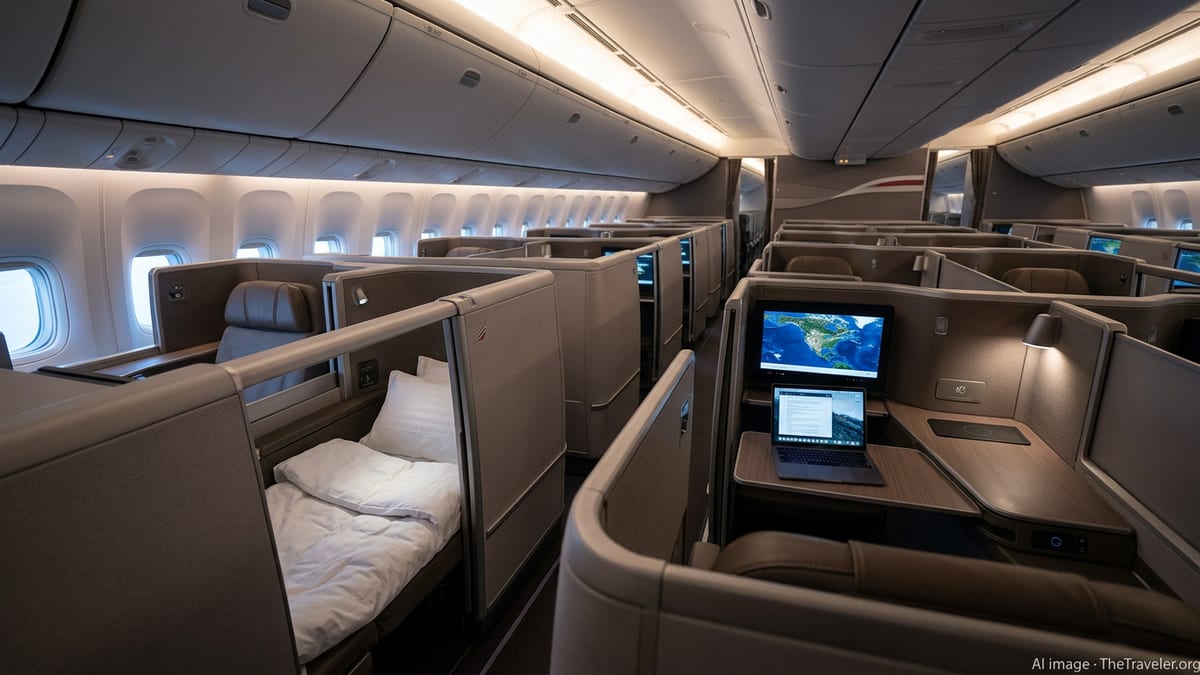
New Mile Sales Rolled Out For COSMILE Members
Starlux’s decision to start selling miles gives its COSMILE members a new way to top up accounts for redemptions on the Taipei based carrier. According to publicly available program information and recent community reports, members can now buy miles in blocks of 1,000, with annual caps and a fixed validity period from the month of purchase.
Pricing indications show a rate of around 40 US dollars per 1,000 miles, depending on billing country and currency, with a yearly purchase cap reported at 150,000 miles. The purchased miles are valid for 36 months and are nonrefundable. The product is described as a tool for filling small gaps before redeeming, rather than a primary way to build large balances.
These parameters place COSMILE’s new mile sales squarely in the “top up” category commonly seen across airline loyalty programs. However, the relatively high headline price immediately raises questions about whether buying miles represents good value when compared with alternative ways of accessing Starlux flights through partner programs.
High Cost Per Mile Limits Arbitrage Potential
At roughly 4 cents per mile, Starlux’s pricing sits well above the levels seen during frequent mileage sales from many global airlines, where promotional offers often push the effective cost down to 1.2 to 2 cents per mile. Travel loyalty analysts note that this makes it difficult to reliably come out ahead by buying COSMILE miles for premium cabin awards, especially on long haul routes.
For example, Starlux’s own published award charts show that economy round trips within Asia can price from tens of thousands of miles, while long haul business class between Asia and North America requires significantly higher totals. When multiplied by a 4 cent per mile acquisition cost, those awards quickly approach or exceed the cash fares routinely available in competitive markets across the Pacific.
This means the new product may only make sense in narrow scenarios, such as when a member is a few thousand miles short of a high value redemption or is seeking access to niche awards unique to COSMILE, such as select ground experiences or upgrades that are not easily replicated through partner programs. Outside of those edge cases, the math of buying miles at the posted rate appears challenging for value focused travelers.
Partner Programs Often Offer Better Value On Starlux Flights
The introduction of paid COSMILE miles comes at a time when several partner programs already provide attractive ways to book Starlux-operated flights. Alaska Airlines’ Mileage Plan and Etihad Guest, among others, allow members to redeem their own currencies for Starlux itineraries, sometimes at rates that compare favorably with COSMILE’s direct award chart.
Points and miles commentators have previously highlighted Alaska’s pricing between North America and Taipei, where one way business class can be found from 75,000 miles plus modest surcharges. More recently, coverage of Etihad Guest’s tie up with Starlux shows that Etihad members can now tap that program’s earning ecosystem to access Starlux flights without ever engaging with COSMILE’s mileage sales.
Because these partner programs are linked to major credit card rewards currencies in several markets, travelers often find it easier and cheaper to earn enough miles through everyday spending or transfer bonuses than to purchase COSMILE miles outright. The contrast underscores the strategic role of Starlux’s new product: it is primarily aimed at existing COSMILE members who are already flying the airline, rather than at the broader global points marketplace.
Designed As A Revenue Tool And Loyalty Enhancer
Industry observers see the sale of miles as part of a broader trend in which airlines increasingly treat loyalty programs as standalone profit centers. By monetizing miles directly, Starlux can generate ancillary revenue while giving engaged customers another lever to manage their balances, especially ahead of major trips or during limited time promotions tied to Miles & Cash or upgrade campaigns.
Documents describing recent COSMILE promotions highlight how Starlux is layering more ways to use and enhance miles, including Miles & Cash payments on select routes and mileage-based upgrades from eligible fare classes. Within this context, selling miles at a premium price allows the airline to preserve the integrity of its award chart and cabin yields while still responding to member demand for flexibility.
The structure also limits potential liability. With a three year validity period and nonrefundable rules, purchased miles encourage near term redemptions rather than indefinite hoarding, helping the airline manage its balance sheet exposure while nudging customers into booking additional trips on the carrier.
What Travelers Should Consider Before Buying
For prospective buyers, the key question is opportunity cost. At a 4 cent per mile price point, even a relatively modest top up of 20,000 miles would cost around 800 dollars, an amount that could cover a substantial portion of a paid economy or premium economy ticket on many routes, particularly during seasonal sales. Travelers are advised by loyalty specialists to compare the all in cost of a purchased miles redemption with the best available cash fare before committing.
Another factor is flexibility. Miles held in broadly convertible ecosystems, such as bank rewards programs that partner with multiple airlines, often provide more optionality than miles purchased from a single carrier at a fixed price. Since COSMILE miles are not transferable to other frequent flyer programs and earning options remain relatively limited outside of flying and select co-branded products, buyers should be confident they will use the miles within the validity window.
In practice, the new Starlux mile sales may find their most enthusiastic audience among frequent flyers already loyal to the brand, particularly those based in Asia who value the airline’s onboard product and route network. For occasional travelers or points enthusiasts with access to richer partner redemptions, the consensus from current data is that the miles are a convenience tool rather than a bargain.