


More news on this day
Leisure carrier Discover Airlines, part of the Lufthansa Group, is warning that a developing jet fuel supply squeeze in Namibia may disrupt some of its long haul services between Windhoek and European hubs, heightening uncertainty for travelers during the busy late-summer season.
Get the latest news straight to your inbox!
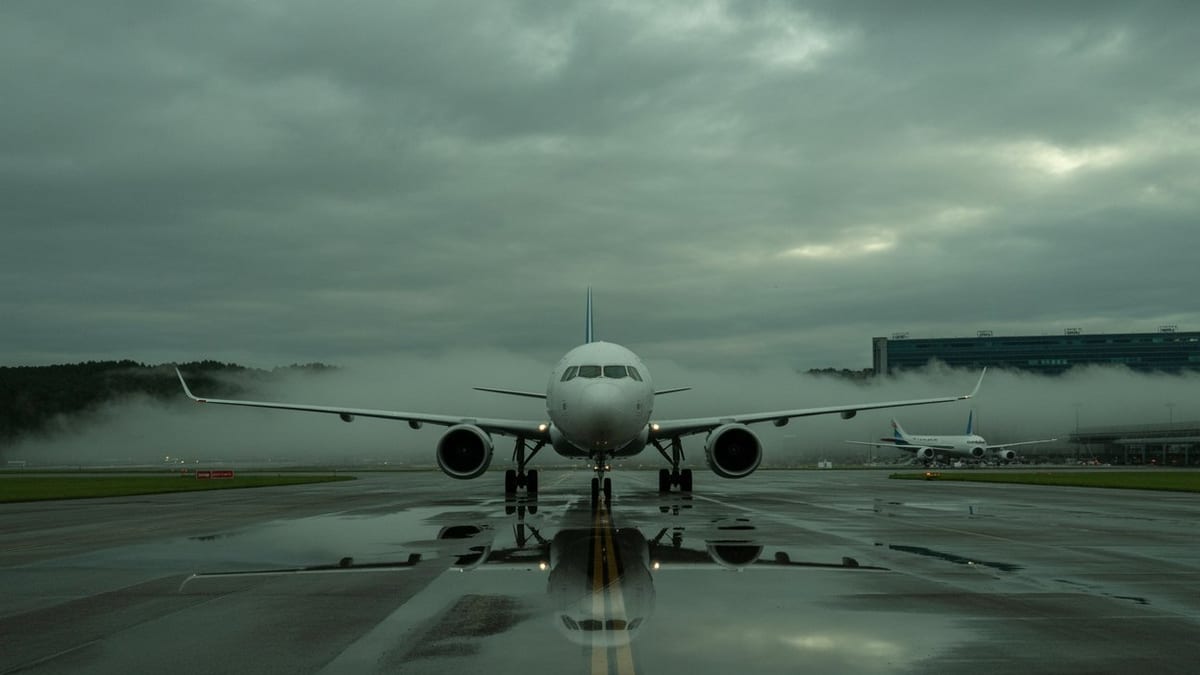
Carrier flags potential disruption on Windhoek routes
According to published updates on its customer channels and reporting in Namibian and European media, Discover Airlines has advised that limited jet fuel availability in Namibia could affect the operation of certain flights linking Windhoek with Frankfurt and Munich. The airline has not announced a full suspension of services, but indicates that schedule adjustments, refueling stops outside Namibia or equipment changes remain possible while supply conditions are tight.
The warning comes as the leisure-focused carrier continues to build its presence in southern Africa. Discover Airlines already operates daily or near-daily services between Windhoek and Frankfurt and has been expanding its Munich long haul base, including Namibia in its medium term growth plans. Any interruption to regular fueling at Hosea Kutako International Airport would therefore have immediate implications for its long haul schedule.
Travel trade reports describe the current situation as a developing constraint rather than an outright shortage, but note that airlines are increasingly cautious about uplift levels from airports where storage tanks are under pressure or where deliveries have become less predictable.
Jet fuel markets under strain from wider supply shocks
The concerns in Namibia are emerging against a backdrop of tighter jet fuel markets worldwide. Industry analyses and business media coverage over recent months highlight the impact of conflict in the Middle East on refinery output and shipping routes, with Europe in particular facing elevated prices and the risk of intermittent supply gaps. International agencies and market analysts have warned that disruptions to flows through key maritime chokepoints could ripple into aviation fuel stocks at regional hubs.
Economic and aviation commentators note that airlines have already responded by trimming capacity and reshaping networks in order to conserve fuel and protect profitability. In Europe alone, millions of seats have been cut from schedules as carriers respond to higher costs and uncertainty around future supplies, with some long haul operators favoring larger, more fuel efficient aircraft and consolidating frequencies on key trunk routes.
Specialist aviation safety and regulatory briefs have also drawn attention to the growing use of different kerosene grades on certain routes, urging operators and airports to closely manage technical and operational risks when alternative fuel specifications are involved. While these industry papers do not single out Namibia, they underline the complexity of coping with sudden shifts in jet fuel availability.
What travelers on Namibia–Europe routes should expect
For passengers booked on Discover Airlines services between Windhoek and Europe, the most immediate impact of the Namibia fuel squeeze is likely to be operational uncertainty. Aviation advisories and traveler forums indicate that airlines facing local fuel constraints may resort to measures such as technical stops for refueling at intermediate airports, swapping aircraft types, or consolidating lightly booked departures onto fewer flights.
In practical terms, this can translate into changes to departure times, added en route stops and tighter connection windows at European hubs. Travel industry guidance generally recommends that long haul passengers build in additional time for onward connections when alerts about fuel availability are in place, and monitor airline communication channels closely in the days leading up to departure.
Consumer rights information from European regulators points out that, where flights originate in the European Union and are operated by an EU carrier such as Discover Airlines, passengers retain protection under established air travel regulations in the event of significant delays, cancellations or rerouting. However, the specific entitlements can vary depending on whether disruption is judged to be within the airline’s control or the result of extraordinary circumstances linked to global fuel markets.
Strategic importance of Namibia for Lufthansa Group
The emerging fuel challenge comes at a time when Namibia has been consolidating its role as a strategic long haul destination for European carriers. Publicly available schedules and company announcements show that Lufthansa Group airlines, including Discover Airlines and Swiss leisure operator Edelweiss, have steadily increased direct connectivity between Windhoek and key European hubs such as Frankfurt, Munich and Zurich in recent seasons.
Industry reports describe Windhoek as a cornerstone of Namibia’s tourism economy, serving as a gateway to safari regions, the Namib Desert and the Atlantic coast. Load factor data and airline statements over the past two years point to robust passenger demand on Germany–Namibia routes, encouraging carriers to plan additional frequencies and larger aircraft deployments.
Any prolonged disruption to reliable jet fuel supplies at Namibian airports could therefore have implications beyond a single carrier, potentially affecting the broader ecosystem of tour operators, hotels and inbound travel businesses that rely on predictable long haul air links to Europe. Analysts suggest that how quickly local fuel logistics stabilize will shape airline planning decisions for the upcoming high season and into 2027.
Monitoring period ahead as industry watches fuel logistics
For now, Discover Airlines continues to sell seats on its Namibia services while flagging the possibility of operational changes. Aviation market observers characterize the coming weeks as a monitoring phase, during which airlines, airport operators and fuel suppliers will gauge whether current constraints ease or tighten further.
Travel consultants recommend that passengers holding tickets on Windhoek–Europe routes remain flexible, keep contact details updated in airline booking profiles and consider travel insurance products that explicitly cover schedule disruptions. While most flights are still operating, historic experience from previous regional fuel crunches suggests that conditions can shift quickly if supply chains encounter fresh disruptions.
With Namibia’s tourism sector heading into an important period and European carriers still adjusting to volatile jet fuel markets, the industry’s attention is now focused on how effectively local and international stakeholders can stabilize fuel logistics. The outcome will influence not only Discover Airlines’ immediate operations but also longer term confidence in one of southern Africa’s key long haul air corridors.