


More news on this day
European air travel is facing renewed disruption as a fresh cluster of cancellations at KLM, British Airways, and Finnair adds to an already fragile summer schedule, intensifying pressure on airports and leaving passengers scrambling for alternatives across the continent.
Get the latest news straight to your inbox!
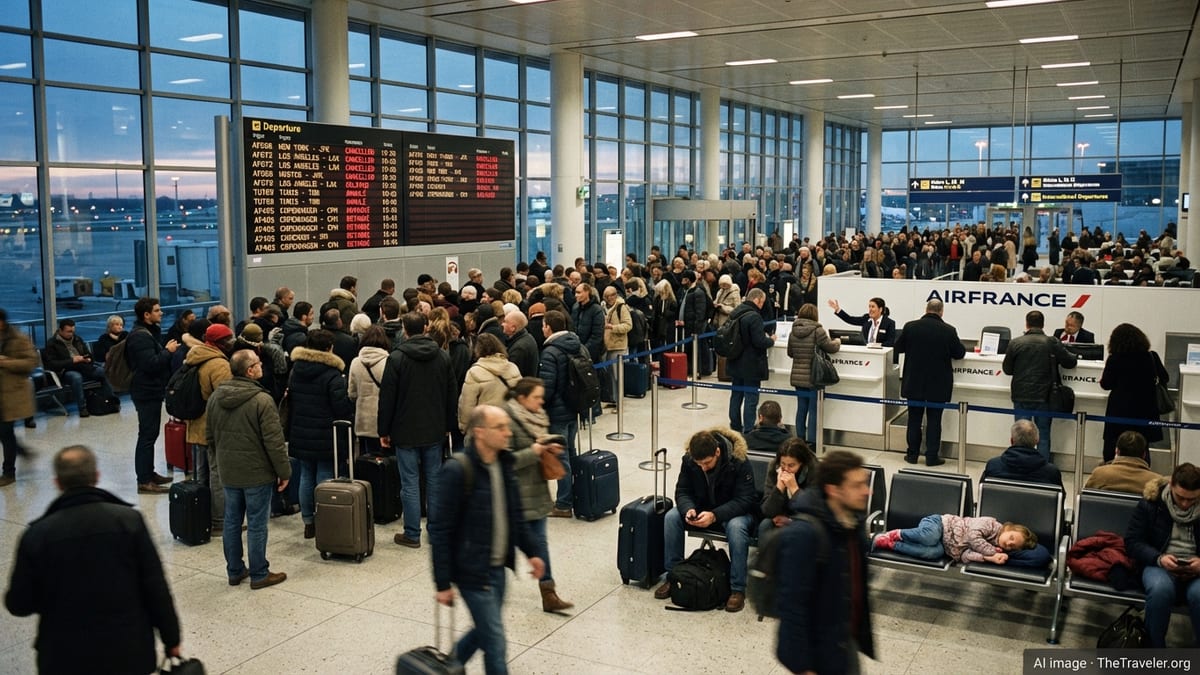
Cancellations Mount as Summer Peak Begins
Published coverage and operational data from aviation trackers indicate that at least 27 flights across the networks of KLM, British Airways, and Finnair have been pulled from schedules in the latest wave of disruption, compounding a broader pattern of delays and cancellations across Europe in mid-June. While the figure is modest compared with large-scale weather or strike events, analysts note that these targeted cancellations are landing just as peak summer travel demand accelerates.
The latest disruption comes against a backdrop of mounting strain on European hubs. Recent reporting highlights more than 1,200 delays and dozens of cancellations at major airports such as London Heathrow, Amsterdam Schiphol and key Spanish gateways in recent days, creating knock-on effects for both short-haul and long-haul connections. Travel commentators suggest that even small clusters of cancellations, when layered onto congested schedules, can quickly erode resilience.
Data collated on June 14 shows that airports including Zurich and Helsinki have emerged as particular pressure points, with both facilities experiencing a combination of delays and outright cancellations involving several European flag carriers. For travelers booked on KLM, British Airways or Finnair services, that means a heightened risk of missed connections and last-minute rebookings as airlines attempt to manage aircraft rotations and crew availability.
Industry observers say the current pattern reflects a shift from singular, one-off crises toward an overlapping series of operational challenges, in which issues at one airport or airline can rapidly propagate through alliance and codeshare networks. This has left passengers increasingly wary of tight connections and overnight transfers at Europe’s largest hubs.
KLM Faces Ongoing Pressure at Key European Hubs
KLM has already been operating under strain for several weeks, following earlier decisions to trim parts of its European program in response to fuel price shocks and route disruptions. Dutch and international coverage reported in April that the airline planned to cancel around 160 European flights over the late spring and early summer period, a move that was described as representing a small proportion of its overall schedule but nonetheless significant for affected routes.
Operational updates published on KLM’s own information channels confirm that the carrier is still managing a rolling series of schedule adjustments, including cancellations and rebookings, particularly for flights transiting Amsterdam Schiphol. Passengers whose flights are removed from the schedule are being directed toward self-service tools such as airline apps and online portals to select new travel dates or request refunds in line with European Union passenger rights rules.
Today’s cluster of cancellations linked to KLM is concentrated on short-haul European services, according to live tracking snapshots and specialist aviation sites. These cancellations are contributing to wider congestion statistics that show more than a thousand delays and dozens of cancellations across the European system within a single 24-hour period. For some travelers, a canceled regional leg means missed onward long-haul flights or forced overnight stays while new routings are secured.
Travel industry commentators note that Schiphol remains especially sensitive to disruption due to high aircraft movements and tight runway capacity. Earlier in the year, severe weather and infrastructure constraints led to large numbers of cancellations at the airport, particularly affecting KLM and other network carriers with a heavy hub presence in Amsterdam.
British Airways Adjusts Network Amid Broader Disruptions
British Airways has also been navigating a complex operating environment in 2026, with previously reported reductions on certain long-haul routes and continued caution around Middle Eastern destinations following regional instability and airspace restrictions. Coverage from European travel media earlier this year highlighted extended suspensions to cities including Tel Aviv, Doha and selected Gulf destinations as the airline reshaped its timetable.
The latest cancellations affecting British Airways are focused on intra-European and connecting services, according to airport operations data and published airline timetables reviewed on June 14. While the volume forms only a fraction of the carrier’s daily departures from Heathrow and other UK airports, the timing during a busy early-summer weekend increases the risk of disrupted holiday plans and missed onward links, particularly to Spain and other Mediterranean destinations.
Consumer-focused outlets in Spain and the UK have recently warned that even a relatively small number of British Airways cancellations can cause outsized disruption when they coincide with already congested airport operations. Passengers may find themselves facing long queues at customer service desks, complex reroutings via alternative hubs, or late-night arrivals that complicate hotel check-ins and ground transport.
Publicly available guidance on passenger rights stresses that travelers affected by cancellations on British or other European carriers should first verify their flight status directly with the airline, then consider options for rebooking, refunds, and potential compensation where eligible. As airlines tweak schedules day by day, experts recommend allowing extra connection time and avoiding the last flight of the day when feasible.
Finnair’s Helsinki Disruptions Ripple Through Northern Europe
Finnair has emerged as another focal point in the latest round of European travel chaos, with Helsinki-Vantaa Airport reporting a notable number of cancellations and delays. Aviation-focused outlets describe a challenging operating day on June 14, with Helsinki recording multiple cancellations alongside dozens of delayed departures and arrivals, many of them on Finnair’s short- and medium-haul routes.
Earlier in the season, various travel advisories and independent briefings pointed to a series of Finnair cancellations linked to rising fuel costs, technical issues and schedule adjustments on long-haul routes, including services to Doha and selected North American destinations. The latest cluster of eight or more cancellations at Helsinki is adding fresh complexity, affecting connecting traffic between Northern Europe, Asia and North America.
Travelers using Helsinki as a transfer hub are particularly exposed when Finnair trims its timetable, as alternatives may require rerouting via other hubs such as Copenhagen, Stockholm or London, often at short notice. Social media reports and discussion forums in recent weeks have documented cases in which passengers booked through partner airlines found their Finnair-operated legs canceled and needed assistance to piece together new itineraries via alliance partners.
Specialist legal and consumer resources note that, under EU Regulation 261/2004, passengers on canceled Finnair flights may be entitled to care, rerouting, and in some circumstances fixed-sum compensation, unless the airline can show that extraordinary circumstances applied. Given the current combination of fuel price volatility and operational challenges, questions around what counts as extraordinary are expected to remain a point of contention.
Passengers Confront a Patchwork of Risks and Rights
The intersection of KLM, British Airways and Finnair cancellations illustrates how Europe’s air travel landscape has shifted from sporadic crises to a more sustained atmosphere of uncertainty. While each airline faces its own mix of fuel, staffing, airspace and infrastructure pressures, passengers often experience the result as a single, rolling wave of disruption that can affect outbound, return and connecting legs simultaneously.
Experts in travel planning advise that passengers build additional flexibility into their trips in light of the latest figures. Recommendations include favoring earlier departures, allowing longer connection windows at hubs such as Amsterdam, London and Helsinki, and monitoring bookings closely through airline apps and third-party trackers in the 24 to 48 hours before departure.
At the same time, consumer advocacy groups stress the importance of understanding the practical implications of EU air passenger protections. These rules can entitle travelers to hotel stays, meals and rerouting in the event of cancellations, but the burden often falls on passengers to document expenses and submit claims promptly. Keeping boarding passes, confirmation emails and records of communications with airlines is seen as critical for recovering out-of-pocket costs.
With Europe already registering more than a thousand delays and dozens of cancellations in a single day as the summer season begins, analysts suggest that today’s 27-flight disruption across KLM, British Airways and Finnair may be an early indication of a turbulent peak period ahead. For now, travelers are being urged to remain vigilant, keep itineraries as simple as possible, and prepare contingency plans in case their own flights join the growing list of cancellations.