


More news on this day
Canada is warning travelers that a growing mix of geopolitical tensions, higher fuel costs and new health measures could trigger global disruptions that upend summer trips, even for those not flying to obvious hotspots.
Get the latest news straight to your inbox!
A broad caution rooted in Middle East tensions and fuel costs
Updated guidance from Global Affairs Canada in May 2026 urges anyone heading abroad to carefully assess the risks of travel as the conflict involving Iran reshapes global fuel markets and air routes. Publicly available government information notes that fuel shortages and higher prices are already leading some airlines to trim capacity, cancel flights and adjust schedules on short notice, with ripple effects outside the immediate region.
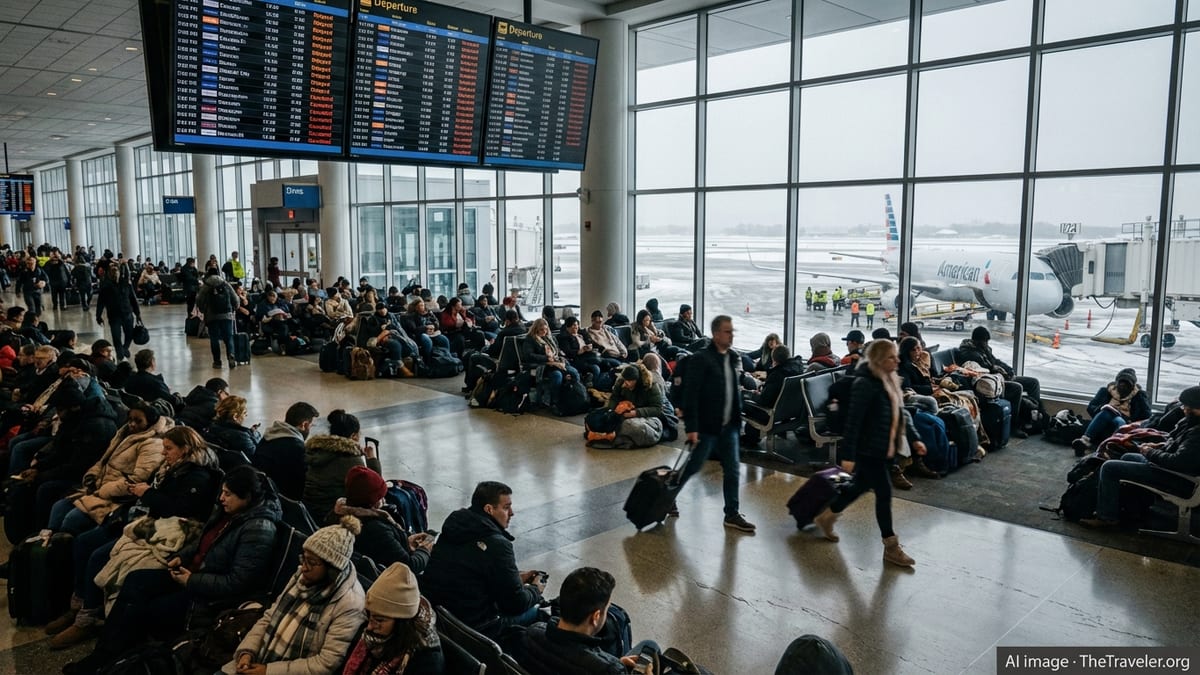
The advisory emphasizes that travelers could face disruptions whether they are bound for the Middle East, transiting through nearby hubs, or flying to entirely different parts of the world. Reduced availability of jet fuel in some markets, combined with airspace restrictions and longer routings, is contributing to congestion and operational strain. That combination raises the likelihood of missed connections, overnight delays and last minute rebookings for Canadian travelers and visitors alike.
Industry commentary has also pointed to airlines in North America and Europe cutting or delaying certain routes as fuel costs bite into already thin margins. While carriers continue to promote record summer demand, they are simultaneously warning of capacity constraints and advising passengers to monitor itineraries closely. The Canadian advisory echoes that message, encouraging travelers to stay in regular contact with airlines or travel agents before departure and on the way home.
Health measures and evolving border rules add another layer of risk
Alongside fuel and security concerns, Canada has introduced new temporary measures in response to an Ebola outbreak in parts of central and eastern Africa. Federal public health updates from late May 2026 describe additional screening on arrival for people who have recently been in the Democratic Republic of the Congo, Uganda or South Sudan, along with specific post arrival public health requirements for affected travelers.
Immigration and border policy notices issued in July go further for some foreign nationals. Recent guidance states that, as of July 20, 2026, travelers who are not Canadian citizens or permanent residents and who have visited the Democratic Republic of the Congo within the past 21 days cannot travel to Canada at all. These restrictions, while targeted, illustrate how disease outbreaks can suddenly change entry rules, potentially disrupting multi stop itineraries or last minute business trips.
Canadian travelers heading overseas also face health related uncertainty at their destinations. Travel health notices compiled by the Public Health Agency of Canada show a patchwork of alerts for vaccine preventable diseases and other risks in multiple countries. While many of these notices are at lower advisory levels, they often come with recommendations that can influence timing, routing or insurance choices for upcoming trips.
What the warning means for Canadian travelers and visitors
The government’s travel advisory platform stresses that travel is a personal choice and that individuals are responsible for their own safety decisions abroad. At the same time, the latest language on global disruptions signals an expectation that conditions can deteriorate quickly, including at airports, border crossings and on key commercial transport routes, without much warning. Travelers are encouraged to understand that consular assistance may be limited in certain scenarios, especially where local infrastructure or airspace is heavily disrupted.
For Canadians planning to leave the country, the notice effectively raises the bar for pre trip research. Officials urge people to review destination specific advisories, examine routing through potential flashpoints and consider how they would handle unexpected cancellations or prolonged delays. That could include building in longer connection times, budgeting for extra nights of accommodation, and confirming that travel insurance policies explicitly cover disruption linked to conflict, fuel shortages or public health emergencies.
The message also has implications for visitors heading to Canada. Although the current warning is framed around Canadians going abroad, inbound travelers relying on connections through European or Middle Eastern hubs could encounter the same kinds of schedule changes and fuel related constraints. Those planning to transit through Canada en route to third countries may face additional checks or questions if their recent travel includes regions covered by new health measures.
Global context: more advisories and a crowded summer sky
Canada’s updated language comes as other governments expand their own global cautions. The United States recently reiterated a worldwide security alert highlighting the potential for flight cancellations, temporary airspace closures and other disruptions linked to the situation in the Middle East. Travel insurance providers and industry analysts have similarly flagged the risk that even routine trips can be affected by events far from a traveler’s final destination.
Canadian economic and trade reporting released this summer notes that the Iran conflict and associated sanctions have contributed to volatility in crude oil and natural gas prices. While recent diplomatic moves have helped ease some market pressures, prices remain above pre conflict levels, feeding into higher operating costs for airlines and other transport providers. These trends compound long running capacity challenges across the global aviation system, where airports and air traffic control networks are still adjusting to post pandemic demand patterns.
Taken together, the picture is one of a very busy northern summer travel season layered on top of fragile supply chains, sensitive fuel markets and localized health and security crises. Canada’s warning does not advise against international travel as a whole, but it does underline that disruptions are no longer confined to specific hotspots. Travelers to Europe, Asia, Latin America or popular sun destinations could all encounter knock on effects from events in regions they never planned to visit.
How to prepare if you have an upcoming trip
For anyone with tickets already booked, the latest Canadian advisory suggests a more cautious and flexible approach. Travelers are encouraged to register their trips where possible, keep copies of key documents both digitally and on paper, and closely track flight status in the days leading up to departure. It may be prudent to arrive at airports earlier than usual, particularly when flying through major European or Middle Eastern hubs that are managing re routings and staffing pressures.
Insurance is another focus of current guidance. Prospective travelers are urged to read policy wording carefully, paying attention to exclusions around known events, war, civil unrest and government travel advisories. Some insurers have begun issuing their own coverage alerts tied to specific regions, wildfires or labor disputes, clarifying what will and will not be covered if disruptions occur. Understanding those limits before departure can help travelers decide whether to change plans, add supplemental coverage or accept higher levels of personal risk.
Finally, observers note that flexibility can be a crucial asset in a period of heightened disruption. Choosing itineraries with fewer tight connections, considering alternative airports, and being prepared to adjust dates or destinations on short notice can all reduce the stress of unexpected changes. Canada’s warning underscores that global travel is still possible, but it now requires more active planning and a clear-eyed assessment of how quickly conditions can shift.