

More news on this day
Residents in Bucyrus, a small city in northern Ohio, are returning home after an evacuation order was lifted Monday morning following a Norfolk Southern freight train derailment that raised concerns over a tanker carrying hydrochloric acid near a neighborhood rail crossing.
Get the latest news straight to your inbox!
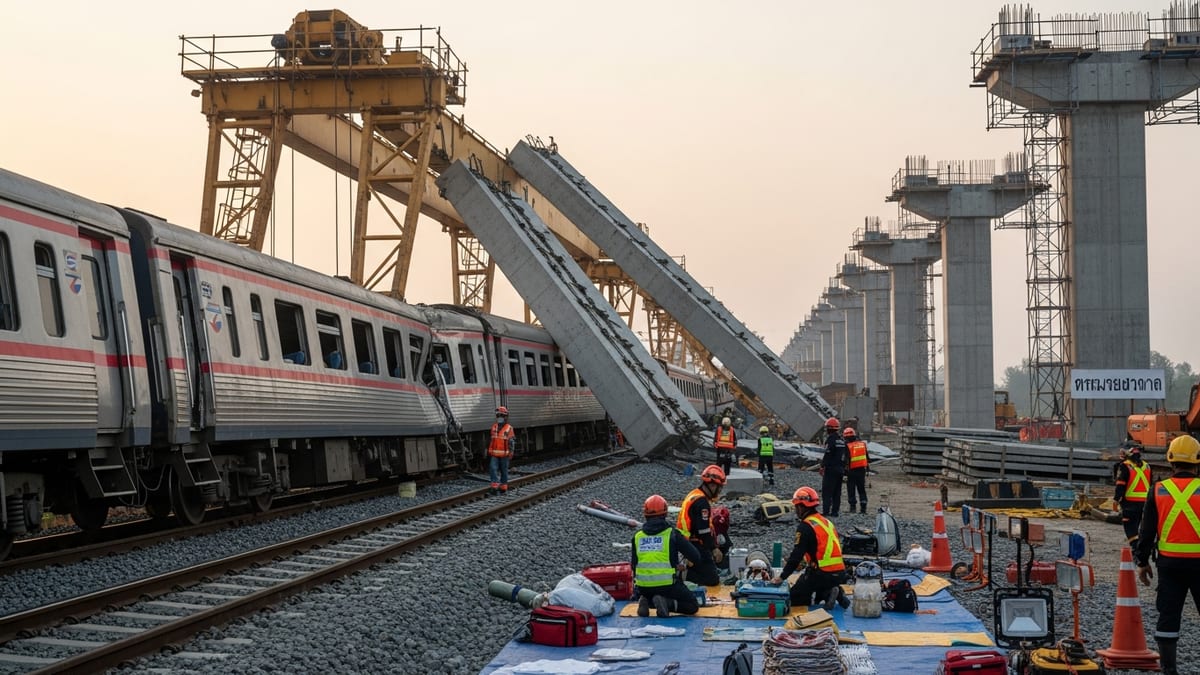
Evacuation order lifted as residents return home
Publicly available information shows that the evacuation in Bucyrus was lifted late Monday morning, allowing residents in the affected area to go back to their homes after spending the night away. The precautionary order had applied to households within roughly a quarter to one mile of the derailment site on the city’s south side, near Whetstone Street and a highway-rail crossing.
Regional coverage indicates that the Bucyrus Police Department and Crawford County emergency managers initially urged people closest to the derailment to leave because of concerns that a tanker car might leak hydrochloric acid, a corrosive chemical that can cause respiratory problems and pose an explosion risk in certain conditions. As response teams evaluated the scene and monitored the railcars, the evacuation footprint was gradually reduced before being fully canceled.
No injuries have been reported in connection with the incident, and current assessments from local and state agencies cited in news reports indicate there is no immediate threat to the wider community. Even with the evacuation lifted, residents are being asked to avoid the immediate crash area while rail and cleanup crews continue work along the damaged stretch of track.
Details of the Norfolk Southern derailment
According to multiple local outlets, the derailment occurred shortly before 9 p.m. on Sunday, July 5, when a Norfolk Southern freight train left the tracks near a grade crossing in Bucyrus. Reports indicate that around 19 railcars derailed, with several tipping onto their sides. Among them was a tanker identified as carrying hydrochloric acid, which prompted the heightened emergency response.
Images shared by local media and public agencies show freight cars scattered beside the tracks, including at least one cylindrical tanker resting off the rails near residential backyards and small commercial properties. The scene turned an otherwise quiet part of town into a brightly lit response zone as fire crews, hazmat specialists, railroad personnel, and emergency managers converged to secure the train and assess any potential leaks.
Early reporting points to the derailment occurring on a section of track used by Norfolk Southern and a regional operator, underscoring how busy freight corridors can run close to homes, small businesses, and local streets in many Midwestern communities. The precise cause of the derailment has not yet been identified in public reports and remains subject to investigation.
Hazardous materials risk and current safety findings
The presence of hydrochloric acid on one of the derailed cars drew immediate attention because of the chemical’s potential health impacts. Publicly available guidance notes that hydrochloric acid can irritate the eyes, skin, and respiratory system, particularly in enclosed or poorly ventilated areas. Concerns over a possible release led emergency managers in Bucyrus to adopt a cautious posture overnight.
By Monday morning, however, published updates from regional newsrooms citing local emergency agencies reported that none of the derailed railcars were leaking and that monitoring around the site had not detected hazardous levels of fumes. Additional coverage from transportation and regional outlets indicates that current assessments find no evidence that hazardous materials were released into the surrounding environment.
Even so, some road closures remain in place around the derailment scene while heavy equipment is used to re-rail cars, remove damaged equipment, and repair the track structure. For residents and travelers, that means detours around Whetstone Street and nearby intersections, with authorities encouraging drivers to give rail crews extra space as the recovery effort continues.
Travel disruptions and local impact for visitors
Bucyrus sits along key road and rail routes in northern Ohio, and the derailment has created short-term disruptions that visitors and through travelers may notice. Reports from local agencies and regional news outlets indicate that Whetstone Street near the crash site is expected to stay closed into at least Tuesday, with additional traffic restrictions possible as repairs progress.
For drivers heading through the area, publicly available information suggests using alternate north-south streets and keeping an eye on local advisories for any updated closures. Commercial traffic, including trucks that often pass through Bucyrus on their way between larger cities, may also experience brief delays as detours re-route vehicles around the impacted crossing.
Hotels, restaurants, and fuel stops elsewhere in Bucyrus remain open, and there are no reports of broader service interruptions stemming from the derailment. For most travelers, the primary effect is localized congestion near the tracks and a heavier presence of emergency and rail vehicles in the south-side corridor where the incident occurred.
Heightened scrutiny of rail safety in Ohio communities
The Bucyrus derailment arrives at a time when rail safety in Ohio is drawing increased public scrutiny following several high-profile freight incidents across the region in recent years. Although current reports emphasize that no hazardous materials were released in Bucyrus and that evacuation orders were precautionary, the sight of a derailed hazmat tanker near residential properties resonates with wider concerns about how freight corridors intersect with everyday life.
Transportation and safety analysts have noted in prior coverage of other derailments that many small and mid-sized Midwestern communities grew up around rail lines, which now carry heavy, long trains loaded with mixed freight and hazardous cargo. Bucyrus, with backyards and local businesses backing directly onto the tracks, reflects that pattern and highlights the challenges of balancing economic reliance on rail with expectations for safety and emergency preparedness.
In Bucyrus, publicly available information indicates that the overnight response included evacuation shelters, coordinated communication from local agencies, and staging areas for hazmat teams and rail personnel. As investigators review what went wrong on the line and rail crews restore normal operations, the incident is likely to feed into ongoing regional and national debates about infrastructure investment, train length and speed, and how communities can better prepare for rare but disruptive derailments along busy freight routes.