


More news on this day
Residents in Bucyrus, Ohio, began returning home Monday after an evacuation order was lifted following a freight train derailment that raised concerns about a possible hydrochloric acid leak near a residential neighborhood.
Get the latest news straight to your inbox!
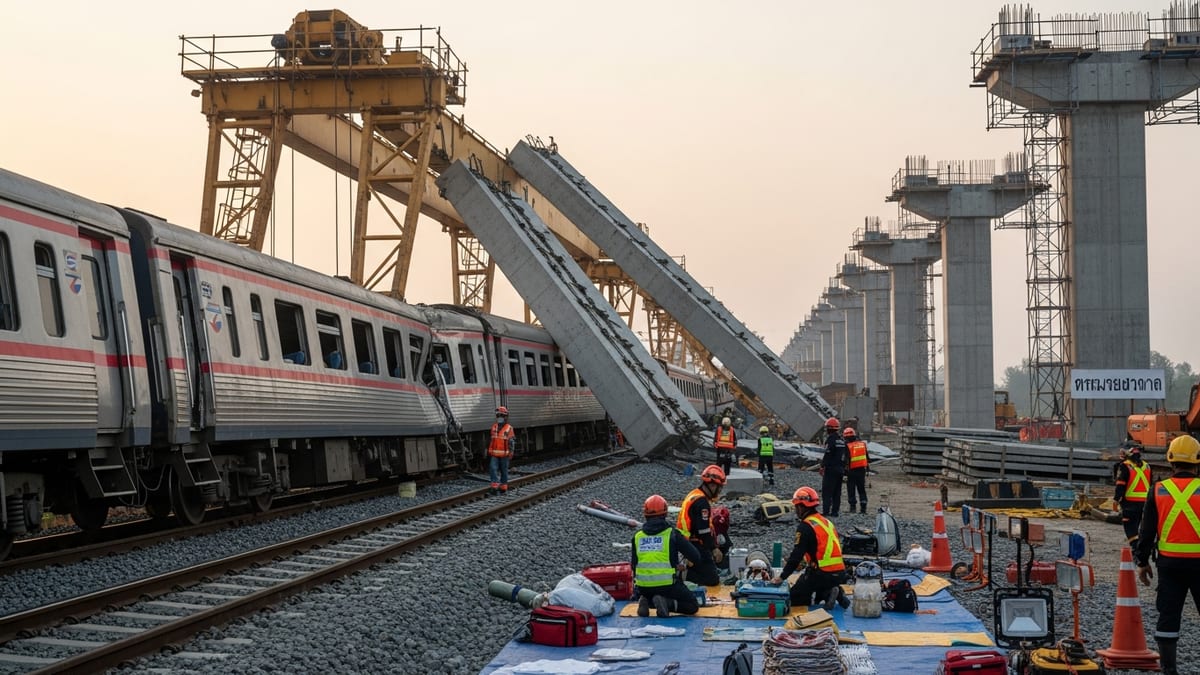
Evacuation Order Ends After Overnight Hazard Response
Publicly available information indicates that the evacuation followed a Sunday night derailment involving a Norfolk Southern freight train near Whetstone Street and Auto Avenue on the west side of Bucyrus. Several cars left the tracks, including at least one tanker believed to be carrying hydrochloric acid, a corrosive chemical used in a range of industrial processes.
Initial alerts to residents on July 5 described the evacuation as a precaution, with people within a broad radius urged to leave their homes while emergency crews assessed the scene. Early regional coverage described an initial safety zone of up to one mile around the derailment site before that footprint was reduced as more information became available.
By Monday morning, reports from local and regional outlets indicated that the mandatory evacuation order had been lifted, allowing most residents to go home. Public updates described the situation as stable, with no widespread release detected and no mass injuries reported in connection with the incident.
Guidance for those living closest to the tracks remained more cautious, with some reports suggesting that people within a smaller zone near the affected tanker were asked to remain alert for further instructions while crews continued detailed inspections.
From One-Mile Radius To Targeted Safety Zone
According to published coverage, the most significant change over the course of the response was the size of the evacuation area. Early in the incident, residents within roughly one mile of the derailment were advised to leave, a measure that cleared homes around the rail corridor and sent some residents to a temporary shelter at Bucyrus High School.
As specialized teams evaluated the derailed tank cars and monitored air conditions, the evacuation footprint was gradually narrowed. Subsequent regional television and online reports described the zone shrinking to roughly a quarter to one-third of a mile around the derailment, reflecting growing confidence that any risk of a major leak or explosion was diminishing.
By the time the evacuation order was lifted, that smaller zone had become the primary focus for responders, who continued to check for any localized contamination. Publicly available information shows that air monitoring around the site did not detect chemical concentrations at levels that would trigger an expanded evacuation.
The shift from a large, circular evacuation area to a more targeted perimeter mirrors approaches seen in other hazardous materials incidents, where a wider initial buffer is sometimes used until on-site measurements can refine the actual risk zone.
Hydrochloric Acid Concerns And Environmental Monitoring
Attention in Bucyrus centered on the tanker believed to be carrying hydrochloric acid, a substance that can cause severe irritation to the eyes, skin, and respiratory system at high concentrations. Early descriptions from local outlets noted concerns about a possible leak and the potential for harmful vapors if the car were breached.
Hazard response teams focused on stabilizing the tanker and determining whether any product had escaped. Public reporting indicates that crews in protective gear conducted close-up inspections, while air monitoring equipment sampled conditions around the derailment and in nearby neighborhoods.
As of Monday, regional news coverage reported no widespread contamination and no surge in hospitalizations linked to the incident. That information, combined with on-site testing, appeared to underpin the decision to lift the evacuation order for most of the affected area.
Environmental checks are expected to continue in the coming days, with additional sampling of soil and surface water likely around the track bed and drainage points. Such follow-up monitoring is common in derailments involving corrosive or toxic cargo, even when early readings are within normal limits.
Travel Disruptions And Community Impact
The derailment unfolded close to key local streets, affecting both residents and travelers passing through this small north-central Ohio city. Reports from regional media show that road closures were put in place around the Whetstone Street crossing, limiting access to parts of the west side while emergency vehicles and heavy equipment moved in.
Drivers heading through Bucyrus late Sunday and into Monday encountered detours and congestion as traffic was routed around the blocked crossing and response perimeter. For visitors and through travelers, the closures added delays on a night when holiday and summer traffic was already present on regional routes.
Inside the evacuation zone, some residents spent the night away from home, including at the high school shelter where cots and basic services were made available. Publicly available descriptions from local coverage depict a relatively calm but anxious atmosphere, with families waiting for word on when it would be safe to return.
With the order now lifted, attention in the community is shifting from immediate safety concerns to cleanup, rail repair, and questions about how long it will take before freight traffic fully resumes on the line that runs through the city.
Derailment Adds To Scrutiny Of Rail Safety In Ohio
The Bucyrus derailment is the latest in a series of incidents in Ohio that have kept rail safety in the public eye. National and regional reporting has frequently cited the 2023 East Palestine derailment as a turning point in public awareness about trains carrying hazardous materials through small towns.
In that earlier incident, a Norfolk Southern train carrying vinyl chloride and other chemicals derailed and burned, leading to an extended evacuation and national debate over regulations, rail technology, and emergency preparedness. Since then, each new derailment in the state has drawn heightened attention from residents and travelers alike.
According to recent coverage, the Bucyrus crash has renewed local questions about what materials move through residential corridors, how quickly information is shared with the public, and whether additional protections or routing changes are warranted. While the initial readings and the lifting of the evacuation suggest that the immediate danger in Bucyrus has eased, the event is likely to feature in broader state and national debates over freight rail oversight.
For visitors passing through Bucyrus in the days ahead, the visible signs of the derailment may include continued work around the tracks, intermittent traffic delays, and a heightened presence of cleanup crews as the city works through the latest reminder of how closely major transportation corridors intersect with everyday life in small Midwestern communities.