


More news on this day
Residents of Bucyrus, Ohio, are being allowed back into their homes after an evacuation order tied to a Norfolk Southern freight train derailment near Whetstone Street was lifted, easing immediate safety concerns while leaving lingering questions about rail operations through this small northern Ohio city.
Get the latest news straight to your inbox!
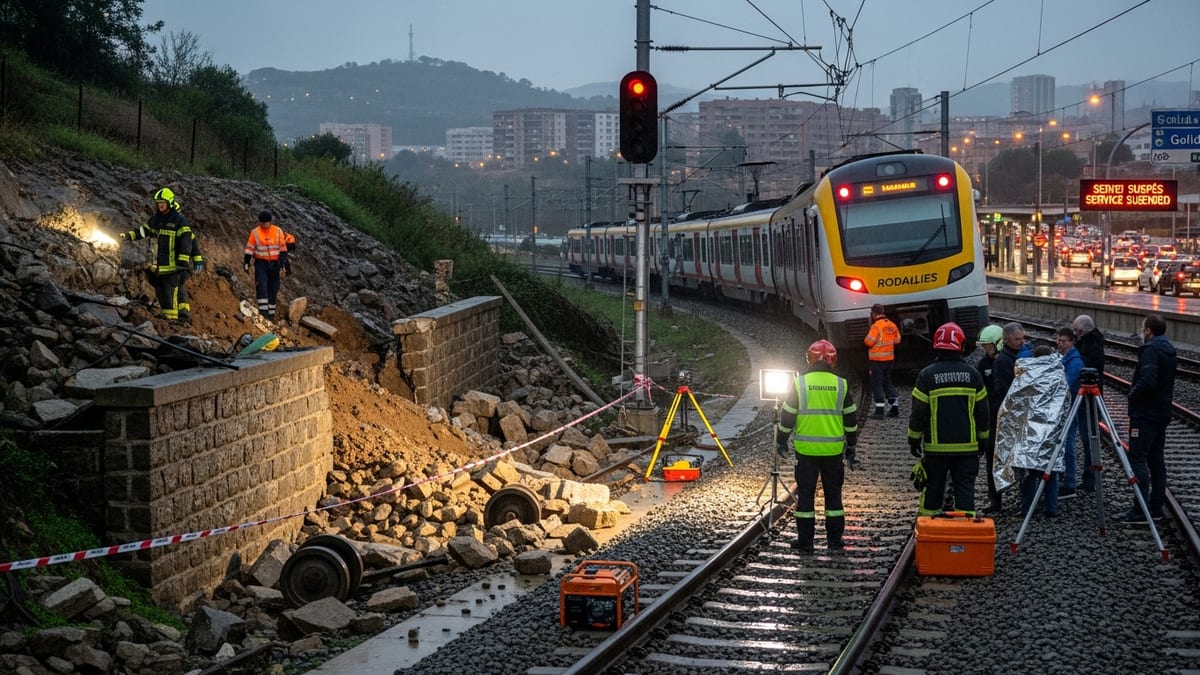
Evacuation Order Lifted After Overnight Disruption
According to regional broadcast and local print coverage, the initial evacuation order around the derailment site has been lifted following inspections that found no active leaks from the railcars involved. Early guidance asked people within as much as a one mile radius of the crash site to leave their homes, but that zone was steadily reduced as hazmat teams, environmental specialists, and railroad contractors assessed air quality and the condition of a tanker believed to be carrying hydrochloric acid.
Reports indicate that the derailment occurred on Sunday evening near the intersection of Whetstone Street and Auto Avenue, just west of Bucyrus’s downtown area and close to several residential blocks and small businesses. Multiple freight cars left the tracks, including at least one tank car and several boxcars, prompting road closures and a precautionary halt to both rail and nearby vehicle traffic.
Through Monday morning, publicly available information showed that emergency crews focused on verifying that no hazardous material had escaped and that there was no explosion risk before lifting the evacuation order. Once air monitoring and visual checks were completed, officials scaled back the restricted area to the immediate work zone along the tracks, allowing displaced travelers and residents to return.
Hydrochloric Acid Concerns and Hazmat Response
From the earliest reports, attention centered on a tank car that manifests indicated was carrying hydrochloric acid, a corrosive substance that can cause respiratory distress and irritation if released in significant quantities. Initial alerts referenced the possibility of a leak and a theoretical explosion risk, prompting the decision to move people out of the area and to open shelters for those who could not arrange their own accommodations.
Subsequent updates from local outlets and regional television coverage stated that inspections did not identify any active leak from the tanker, and air monitoring around the site did not detect hazardous concentrations. Cleanup teams nevertheless treated the car as a high priority, stabilizing it before other derailed freight cars were repositioned or removed.
Travelers passing through Bucyrus by road encountered detours around Whetstone Street and adjacent crossings as hazmat units and railroad responders worked along the line. With the evacuation order lifted, restrictions now focus mostly on the immediate rail corridor, though visitors to the area are still being directed to avoid the crossing while heavy equipment remains on site.
Impact on Local Travel and Regional Rail Traffic
The derailment temporarily disrupted both local traffic patterns and a key freight route in northern Ohio that runs parallel to several regional highways used by drivers traveling between Mansfield, Marion, and other nearby cities. Road closures around Whetstone Street limited east west movement near the tracks, and detours added extra minutes for commuters and visitors navigating the city’s grid.
Rail traffic through Bucyrus also experienced delays as inspection crews documented track conditions and examined the damaged cars. Publicly available coverage suggests that some trains were held on sidings elsewhere on the line while the main route through the city remained blocked, a familiar challenge on busy Midwestern freight corridors when derailments occur near crossings or junctions.
For travelers planning road trips across northern Ohio, the lifting of the evacuation order reduces the risk of sudden overnight closures or shelter in place advisories in Bucyrus. However, those passing close to the city in the coming days may still encounter slower speeds, lane shifts, or brief stoppages near the rail corridor as cleanup and track repairs continue.
Cleanup Timeline and Ongoing Safety Checks
Local news outlets in Crawford County report that Norfolk Southern contracted crews are now focused on clearing the derailed cars, inspecting the underlying rail bed, and restoring full service along the affected stretch of track. Heavy lifting equipment and specialized rail vehicles remain in place near the Whetstone Street crossing as teams remove damaged wheelsets, repair ballast, and replace any compromised track sections.
Estimates cited in regional coverage suggest that roadway access at the crossing could remain limited for a day or more while work continues. Even after tracks reopen to rail traffic, drivers can expect a visible work presence around the corridor, with periodic lane closures and flaggers managing vehicles and pedestrians around remaining equipment.
Environmental monitoring is expected to continue alongside the physical cleanup. Although publicly available information indicates that no leak has been detected, travel and environmental reporters note that air and, if needed, soil or water testing often continue for some time after hazardous materials incidents, providing added assurance for residents and visitors who live near or travel past the rail line.
Renewed Focus on Rail Safety in Travel Corridors
The Bucyrus derailment joins a series of Norfolk Southern incidents in Ohio over recent years that have drawn heightened attention to freight operations through communities that serve as gateways for regional travel. While this latest event appears to have avoided a significant chemical release, its overnight evacuations, blocked crossings, and visible hazmat response reinforced concerns about how quickly routine journeys can be disrupted when trains carrying hazardous materials leave the tracks.
Transportation advocates and policy commentators have increasingly highlighted the overlap between freight rail infrastructure and routes used daily by motorists, long haul drivers, and intercity travelers. When a derailment leads to evacuation orders, detours, or service suspensions, the effects can ripple through lodging, dining, and local tourism businesses that rely on consistent access and predictable traffic flows.
For those planning trips across northern Ohio, the situation in Bucyrus underlines the value of checking local traffic and news updates when routing through smaller cities that sit astride major freight lines. With the evacuation order now lifted and no leak reported, Bucyrus is moving quickly back toward normal travel patterns, even as crews finish repairs and the region once again weighs how to balance economic reliance on rail freight with expectations of safety and reliability along its most traveled corridors.