


More news on this day
An intense early summer heatwave stretching from France and Spain to Germany, Italy, the United Kingdom, the Netherlands and Portugal is straining Europe’s aviation network, with high temperatures combining with already heavy traffic to trigger flight delays, airport crowding and operational headaches at major hubs including Paris, Madrid, Frankfurt and Milan.
Get the latest news straight to your inbox!
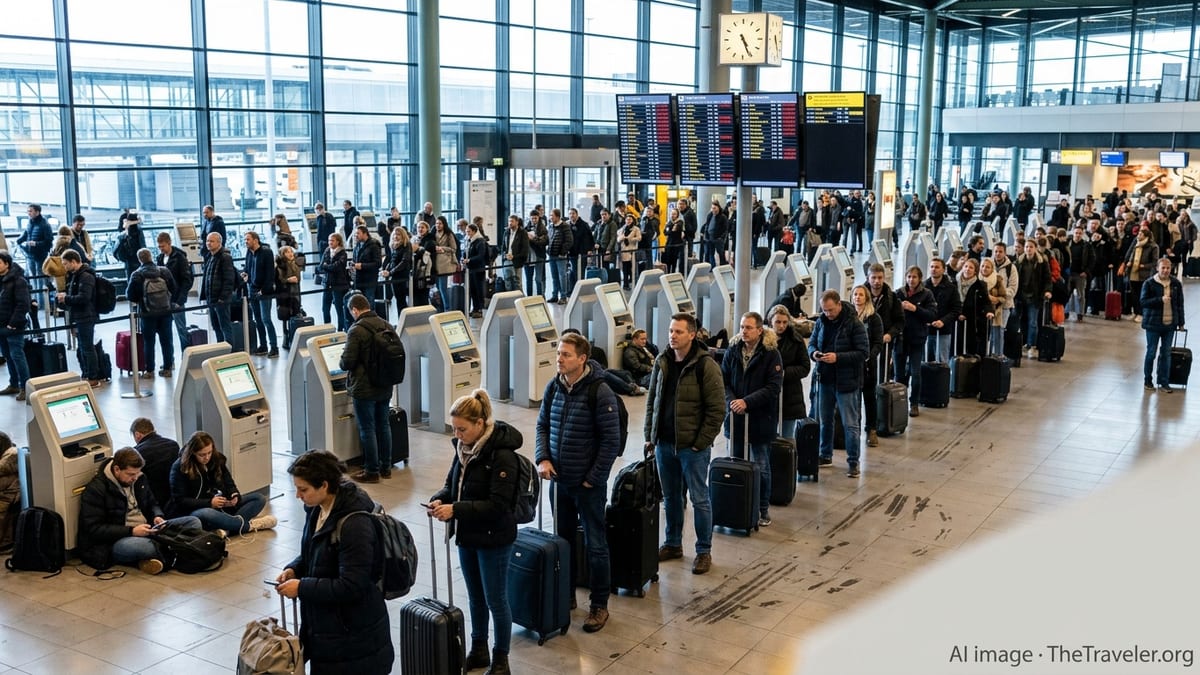
Heatwave Adds New Pressure on Already Busy Summer Skies
Weather services across Europe are reporting temperatures well above seasonal norms in mid June, with parts of France, Spain, Italy and Portugal facing prolonged hot spells that coincide with the start of the peak holiday travel season. Publicly available forecasts show southern and central regions repeatedly breaching heat alert thresholds, increasing pressure on infrastructure from rail tracks to airport aprons.
Aviation analysts note that extreme heat can disrupt air operations in several ways, from forcing aircraft to reduce take off weight on shorter runways to slowing ground handling, refuelling and baggage loading when staff must limit exposure on the tarmac. In practice, that translates into tighter safety margins, slower turnarounds and higher risk of knock on delays when airports are already close to capacity.
Recent coverage of air travel trends indicates that demand across Europe this summer is exceeding or matching pre pandemic levels, especially on leisure routes to Mediterranean destinations. With many airlines operating fuller schedules and limited spare aircraft or crew, even short weather related interruptions can ripple across multiple countries and hubs.
Paris and Madrid Confront Heat, Strikes and Rail Disruption
France has entered another heatwave period with meteorological alerts in force for large parts of the country, including the greater Paris region. Reports from French and international media indicate that the combination of high temperatures and heavy travel is prompting transport operators to modify services and warn passengers about possible disruption.
On the rail network, French operator SNCF has begun pre emptive cancellations on several long distance lines around Paris during the hottest days of the week, citing heat related precautions on infrastructure. That shift is expected to push more travellers toward already busy airports at Paris Charles de Gaulle and Orly, where recent strike related disruptions have highlighted how quickly queues can lengthen and schedules slip when operations are under stress.
In Spain, Madrid Barajas and Barcelona El Prat are preparing for another packed summer as Spanish and foreign airlines add capacity on domestic and international routes. Coverage from Spanish business media shows carriers increasing seat supply despite wider geopolitical uncertainty, which may amplify the impact of any heat related ground delays at Madrid, especially during afternoon peaks when temperatures and runway stress are highest.
Frankfurt, Milan and Other Hubs Face Compounded Disruptions
Germany’s main hubs, including Frankfurt, Munich and Berlin, have already experienced weather linked and staffing related disruptions this month, according to passenger rights platforms that track delay and cancellation statistics. Thunderstorms earlier in June led to hundreds of delayed and cancelled flights across the country’s largest airports, reducing schedule resilience just as the current heatwave builds.
Frankfurt in particular is under scrutiny as both a transatlantic and Europe Asia connector, with recent travel industry analyses highlighting crowded terminals, tight aircraft rotations and limited flexibility once operations start to slip behind schedule. When high temperatures slow down ground handling or require additional time for safety checks, late departing aircraft can quickly cascade into missed connections and rebookings.
In Italy, Milan’s airports are also contending with strong summer demand and evolving passenger rights rules at European level. Guidance produced for travellers in recent days points to an uptick in reported delays at Milan Malpensa and Linate as airlines manage congested airspace, weather and resource constraints. Similar patterns are being reported at Rome, Lisbon, Amsterdam and London area airports, where hot weather is aggravating pre existing congestion.
United Kingdom, Netherlands and Portugal See Rising Heat Risks
While southern Europe typically bears the brunt of heatwaves, northern countries are increasingly affected. Climate monitoring agencies have documented that Europe is warming faster than the global average, and the United Kingdom, Netherlands and parts of Germany and Belgium have all experienced record or near record temperatures over recent summers. This trend is pushing airports not traditionally designed for prolonged extreme heat to reassess operations.
Amsterdam Schiphol, London Heathrow and London Gatwick are among the large northern European hubs already operating near capacity on busy travel days. Industry reports suggest that ground handling companies and airlines are reviewing working practices to cope with heat, including more frequent staff rotations and adjusted loading procedures, measures that are essential for safety but can slow operations.
In Portugal, Lisbon and Faro are heading into another hot, busy season, with coastal resorts expecting strong demand. Travel commentary points out that some of the most delay prone routes in Europe are short haul services in and out of congested southern airports during afternoon heat, when air traffic control restrictions, turbulence and runway limitations can combine to cause rolling delays.
What the Heatwave Means for Summer Travelers
For passengers, the convergence of extreme temperatures, packed flights and tight airline schedules means higher chances of disruption across much of Europe in the coming weeks. Publicly available punctuality data for major airports such as Paris Charles de Gaulle, Frankfurt, Milan Malpensa, Amsterdam and Madrid already show on time performance under pressure even before the peak of the summer heat.
Consumer advocacy and passenger rights organisations are advising travellers to build in additional buffer time when connecting through major hubs, especially those in heat affected regions. Guidance also stresses the importance of monitoring flight status frequently, as schedules may be adjusted at short notice to avoid operating at the hottest hours of the day or to work around local weather and air traffic restrictions.
Regulations such as the European Union’s EC 261 framework continue to govern compensation and assistance in cases of long delays and cancellations, although eligibility can depend on whether the disruption is considered outside an airline’s control. Recent explanations from passenger rights advisors emphasise that even when compensation is not due, airlines still have obligations to provide care, including refreshments and accommodation when travellers are stranded overnight.