


More news on this day
United States aviation regulators have proposed a substantial civil penalty against Alaska Airlines after a series of alleged incidents in which visibly intoxicated passengers were allowed to board flights, raising fresh questions about the carrier’s frontline alcohol screening and broader compliance oversight.
Get the latest news straight to your inbox!
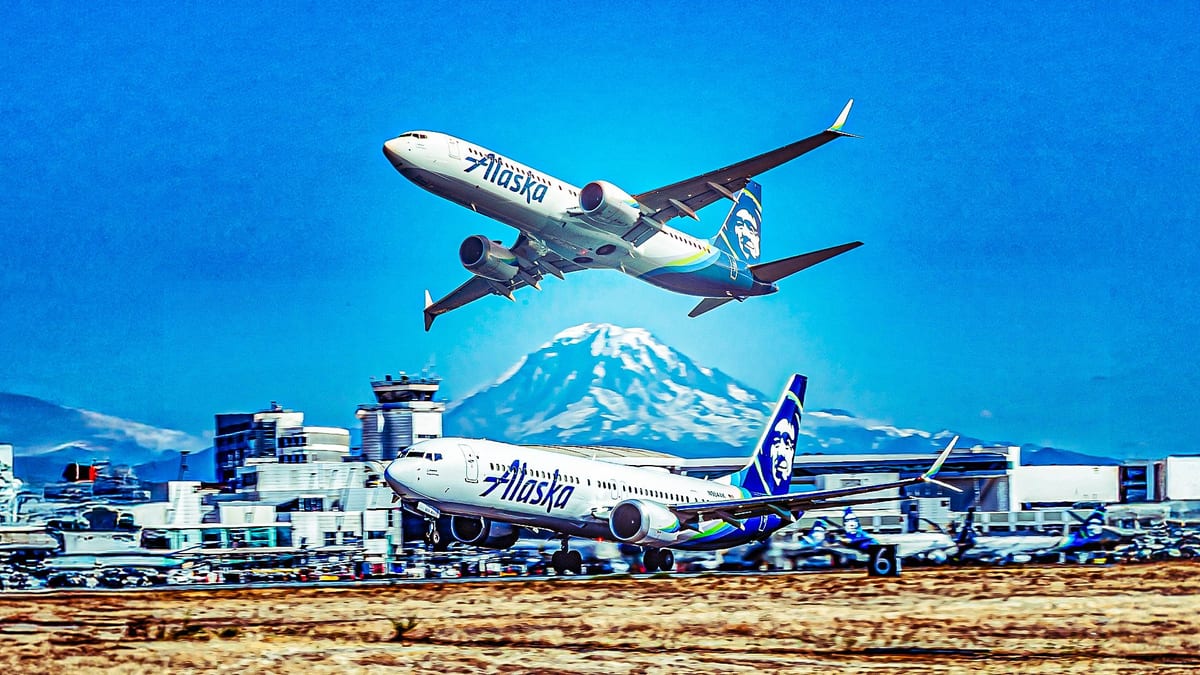
Proposed Fine Highlights String of Intoxication Incidents
According to publicly available information from the Federal Aviation Administration (FAA) and recent media coverage, regulators are seeking a 165,000 dollar civil penalty against Alaska Airlines in connection with 11 separate flights between February 2024 and February 2025. In each case, investigators allege that passengers who appeared intoxicated were permitted to board, despite federal rules intended to keep impaired travelers off commercial aircraft.
Reports indicate that the proposed enforcement action stems from episodes scattered across multiple routes in the carrier’s network, suggesting a pattern of frontline decision-making under pressure rather than a single isolated breakdown. While individual incident details have not been fully disclosed, coverage in outlets such as Reuters and TravelPulse notes that regulators are focused on whether gate and cabin staff properly identified and acted on signs of impairment before departure.
Alaska Airlines has not publicly accepted liability and retains the option to contest the allegations or negotiate a settlement with the FAA. Under standard procedure, the airline can respond by presenting additional facts, arguing for a reduced penalty, or requesting an informal conference with the agency before any fine is finalized.
The proposed civil penalty arrives at a sensitive time for the carrier, which has faced heightened scrutiny in recent years over broader safety and operational issues affecting both its own fleet and aircraft manufactured by key suppliers.
Regulatory Standards on Intoxicated Passengers
Federal aviation rules prohibit air carriers from allowing anyone who appears to be intoxicated to board a flight, and bar passengers from consuming alcohol onboard that is not served by the airline. Publicly available FAA guidance on unruly passengers explains that ground and cabin crews are expected to watch for visible signs such as slurred speech, unsteady movement, aggressive behavior, or a strong odor of alcohol.
The agency’s enforcement framework treats intoxicated passenger incidents as a serious safety matter, in part because impairment can quickly escalate into disruptive or violent behavior in the confined environment of an aircraft cabin. The FAA’s published data on unruly passengers shows that while reported cases have fallen sharply from pandemic-era highs, regulators continue to emphasize strict adherence to alcohol-related rules as a core element of cabin safety.
In the Alaska Airlines matter, regulators appear to be focusing on whether staff followed those established indicators and protocols consistently across the 11 flights under review. The proposed fine suggests the FAA believes there were clear opportunities to deny boarding in situations where visible intoxication should have triggered additional screening or intervention.
Industry analysts note that assessing impairment at the gate is inherently subjective and often occurs under intense time pressure as crews work to avoid delays. Even so, regulators have repeatedly signaled in recent years that they expect carriers to err on the side of caution when judgment calls arise.
Compliance Management and Oversight Under the Microscope
Beyond the individual passenger encounters, the Alaska Airlines case is drawing attention to how carriers structure their internal compliance systems around alcohol policies, crew training, and incident reporting. Historical FAA enforcement records show that Alaska’s parent company has previously faced civil penalties linked to drug and alcohol testing programs, including a smaller fine several years ago over alleged testing violations affecting safety-sensitive employees.
Recent legal and regulatory analyses of FAA enforcement trends highlight that the agency increasingly treats repeated lapses across different parts of an airline’s operation as potential signs of broader compliance management weaknesses. In this context, multiple alleged intoxicated-passenger boardings over a 12 month span can be interpreted by regulators as an indication that training, supervision, or feedback loops may not be capturing and correcting frontline risks quickly enough.
The latest proposed penalty against Alaska Airlines also lands amid a series of higher profile actions targeting other U.S. carriers for drug and alcohol program deficiencies involving flight attendants, pilots, and maintenance staff. Publicly available FAA announcements over the past year describe six figure fines for noncompliance with follow up testing requirements and for returning employees to safety sensitive roles without fulfilling mandated monitoring.
Observers note that this pattern of actions signals a wider regulatory push to ensure that both passenger facing and employee focused alcohol controls are robust, documented, and consistently enforced. For Alaska Airlines, the intoxicated passenger allegations may prompt a deeper internal review of how audit, training, and incident reporting systems are integrated across its network.
Broader Context of FAA Enforcement in the Airline Industry
The Alaska Airlines case is part of a broader wave of civil penalty proposals that have swept through the U.S. aviation sector as regulators respond to public concern about in flight behavior, safety culture, and corporate accountability. Since 2021, the FAA’s widely publicized zero tolerance stance on unruly passengers has coincided with stepped up enforcement involving disruptive conduct, mask noncompliance during the pandemic period, and alcohol related incidents.
More recently, regulators have also pursued multimillion dollar penalties against major manufacturers over quality control lapses and documentation failures, underscoring a willingness to use financial sanctions across the aviation value chain. Legal newsletters and industry briefings published in early 2026 highlight how civil penalty amounts are being calibrated alongside other tools such as safety audits, corrective action plans, and increased on site inspections.
The proposed 165,000 dollar fine for Alaska Airlines is relatively modest compared with headline grabbing actions against large manufacturers, yet it stands out in the passenger intoxication category because it aggregates a double digit series of alleged violations spanning a year. For airline managers and compliance officers, the case serves as a reminder that even lower dollar enforcement actions can carry reputational risks and prompt closer regulatory scrutiny of internal safety systems.
Some aviation policy specialists suggest that this accumulation of actions across carriers and manufacturers reflects a deliberate effort by regulators to reinforce public confidence in the system following a series of high visibility incidents, including structural failures, turbulence related injuries, and disruptive cabin events. In that environment, lapses in basic gate level duties, such as screening for intoxication, are likely to draw sharper attention.
What Comes Next for Alaska Airlines and Passengers
The proposed civil penalty against Alaska Airlines remains subject to negotiation and potential modification through the FAA’s administrative process. The carrier can pay the full amount, dispute the findings, or seek a reduced penalty in exchange for demonstrating corrective actions, such as enhanced training modules, revised checklists for gate agents, or strengthened internal reporting channels for alcohol related incidents.
For travelers, the case offers a window into how safety rules translate into day to day interactions at the airport. Passengers may notice more visible screening for intoxication at check in and boarding, as airlines emphasize that staff have both the authority and the responsibility to deny travel when impairment appears evident. In some hubs, this can mean additional questions about recent alcohol consumption or longer boarding times when staff escalate concerns for review.
Consumer advocates argue that clear communication around these policies is essential to avoid misunderstandings at the gate. Travel industry coverage frequently notes that passengers are often unaware that carrying their own alcohol or drinking in terminal bars shortly before departure can lead to denied boarding if they appear impaired, even if they hold valid tickets and boarding passes.
Whatever outcome emerges from the FAA’s enforcement process, the Alaska Airlines case is likely to remain a touchpoint in discussions about how U.S. carriers balance customer experience, schedule pressures, and strict regulatory expectations around alcohol use and inflight conduct. For regulators, it represents another opportunity to underscore that responsibility for aviation safety begins well before the aircraft doors close.