


More news on this day
The UK Foreign, Commonwealth & Development Office (FCDO) has issued updated travel warnings affecting popular and high‑risk destinations, urging UK holidaymakers to review official guidance, check insurance cover and be prepared for rapidly changing security and weather conditions before heading abroad.
Get the latest news straight to your inbox!
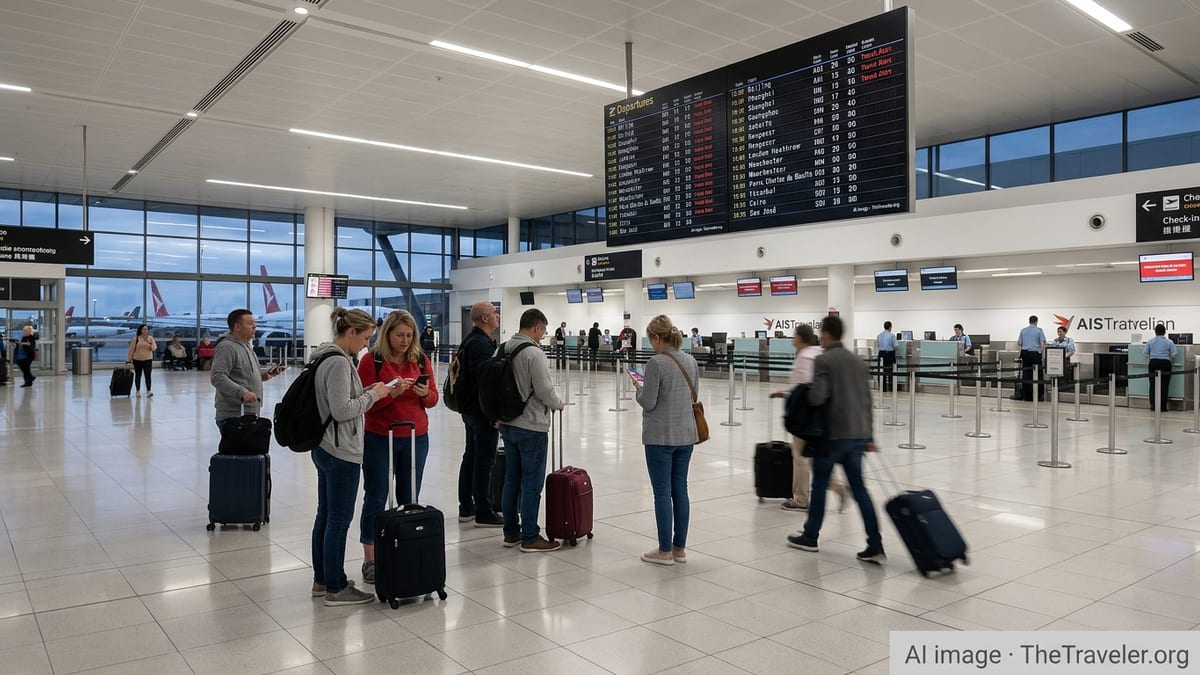
High‑risk destinations face strongest FCDO warnings
The latest FCDO advisories highlight several countries where travel is considered extremely dangerous, with guidance that UK nationals should not visit or should only travel if absolutely essential. Afghanistan, Syria and Yemen remain subject to advice against all travel, reflecting volatile security conditions, border restrictions and an elevated risk of violence in many areas.
In its Afghanistan advice, the FCDO states that the security situation is highly unpredictable, with reports indicating that some border crossings are closed and movement across the country can be hazardous. Similar language is used for Syria and Yemen, where publicly available information points to ongoing conflict, risks from regional tensions and limited or no consular support on the ground.
Other destinations, including parts of Colombia and sections of the Lebanon border region, are covered by advice against all but essential travel. The Colombia notice underlines persistent security threats in departments along the Venezuelan border, and warns that travel insurance may not be valid in areas where official guidance is ignored.
Holidaymakers considering itineraries that include these countries or neighbouring regions are being urged, through the FCDO guidance, to monitor updates closely and be prepared to amend or cancel plans at short notice if the situation deteriorates further.
Weather, wildfires and seasonal risks for summer breaks
Alongside security‑related warnings, several recent FCDO updates focus on seasonal risks that could affect UK holidaymakers during the peak summer period. Official Portugal guidance, which covers the mainland, Madeira and the Azores, highlights a high risk of wildfires between April and October, with a specific reminder for visitors to follow local safety instructions and be aware that fires can start and spread quickly in hot, dry conditions.
In the United States, current advice includes references to the Atlantic hurricane season, which typically runs from June to November. Recent updates stress that storms can cause disruption to flights, local transport and essential services, and that evacuation orders or curfews may be issued at short notice in affected areas.
These seasonal warnings underline that even destinations perceived as low risk from a security perspective can still present serious challenges for travellers. Holidaymakers are encouraged, through the FCDO material, to track local weather alerts, understand hotel or tour operator contingency plans and ensure that their insurance policies cover disruption from natural disasters.
For those booking last‑minute escapes, the combination of wildfire and storm risk means flexible arrangements and careful reading of booking terms are increasingly important, particularly where non‑refundable deals are involved.
Insurance cover and the impact of FCDO advice
The FCDO continues to stress that its travel advice is designed to help UK nationals make informed decisions, rather than to restrict travel outright. However, publicly available guidance makes clear that ignoring FCDO warnings can have significant financial consequences if trips go wrong.
Across multiple country pages, the government notes that travel insurance may be invalidated if a traveller visits a destination where it advises against all or all but essential travel. This means that medical costs, repatriation and losses resulting from emergencies could fall entirely on the traveller if they proceed despite clear warnings.
Separate crisis‑planning advice published on GOV.UK also encourages travellers to have robust insurance, verify what is and is not covered, and avoid relying on the UK government for evacuation or emergency assistance in high‑risk locations. The material emphasises that consular help can be limited where severe security problems already exist.
For UK holidaymakers, the latest updates serve as a reminder to check both the FCDO page for their destination and the small print of any policy before departure. Where guidance changes after a trip is booked, travellers may be able to seek refunds or alternative arrangements from airlines, tour operators or insurers, depending on the contract terms.
Entry rules, documentation and new systems to watch
Beyond headline travel warnings, recent FCDO updates touch on changing entry and border controls that UK travellers need to understand before flying. Advice for Portugal now includes reference to the upcoming EU Entry/Exit System, which will introduce biometric border checks for many non‑EU visitors, including UK nationals, at external Schengen borders.
In parallel, the UK itself is rolling out its own Electronic Travel Authorisation requirements for visitors, and partner governments, such as Spain, are reminding their citizens travelling to the UK to secure the correct authorisation in advance. These changes illustrate a wider shift towards digital pre‑clearance systems and tighter documentation checks on both sides of the Channel.
FCDO travel pages and related parliamentary material note that official advice is kept under constant review, with information on entry, exit and visa requirements updated as new systems come online. Travellers who rely on outdated assumptions about passport validity rules or visa exemptions may face delays or denied boarding if they fail to meet current criteria.
Holidaymakers are therefore advised, through publicly available guidance, to check entry requirements not only for their main destination but also for any transit points, particularly when using hub airports outside the UK or EU. Airlines and tour operators are increasingly directing passengers back to FCDO and destination‑country resources to confirm the latest rules.
Practical steps for UK travellers before departure
The emerging pattern across the new and updated FCDO notices is a strong emphasis on preparation. Guidance for crises overseas encourages UK nationals to sign up for country‑specific email alerts, monitor local news in their destination and have a personal emergency plan that does not depend solely on government assistance.
Travellers are also encouraged to keep digital and paper copies of key documents, including passports, visas and insurance details, and to share itineraries with family or friends at home. In regions with heightened security risks or severe weather exposure, the advice suggests giving particular thought to evacuation routes, access to funds and communication options if mobile networks are disrupted.
The FCDO’s recent communications underline that travel conditions can change quickly as a result of political developments, conflict, natural disasters or infrastructure failures. For UK holidaymakers, staying informed through official channels, reading the detail of destination‑specific pages and adjusting plans when risks rise can be critical to keeping trips safe, insurable and as disruption‑free as possible.
With the late‑summer getaway period still in full swing, the latest warnings are a reminder that a few extra checks before departure can make the difference between a smooth break and a costly, stressful emergency abroad.