


More news on this day
Reports of dead fish appearing in the Emory River in Morgan County, Tennessee, are drawing fresh attention to the environmental fallout from a recent freight train derailment that spilled ethanol into nearby waters and prompted river closures across the popular Obed and Emory recreation corridor.
Get the latest news straight to your inbox!
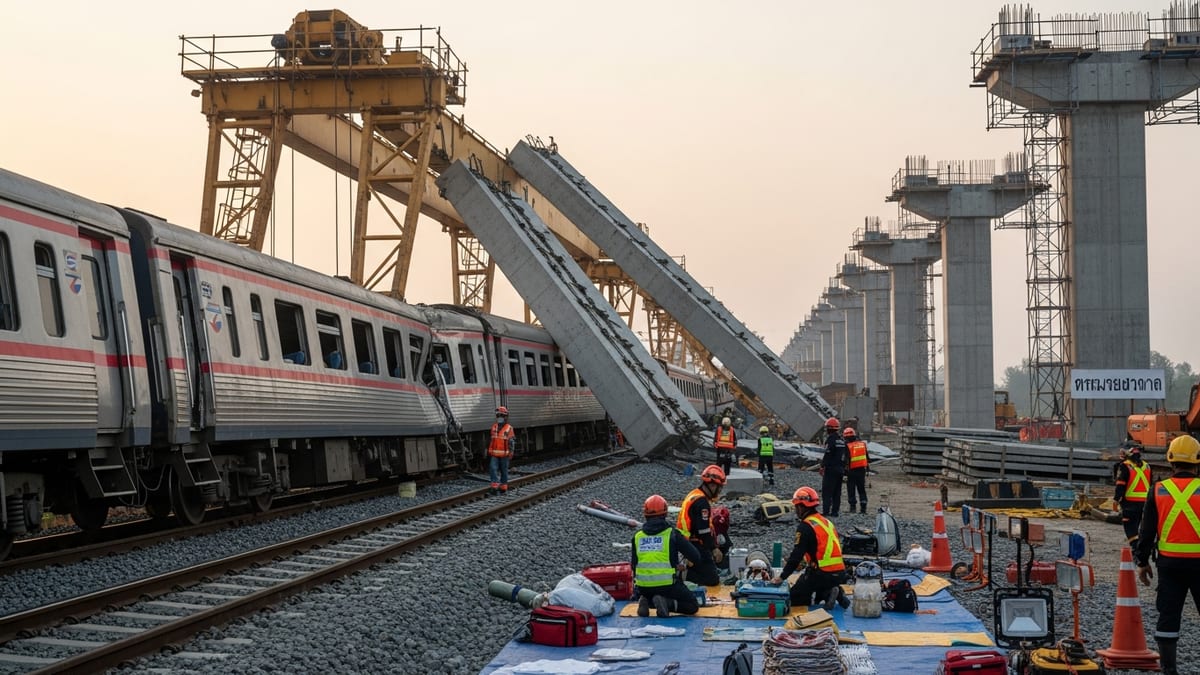
Derailment Near Lancing Triggers Environmental Alarm
The incident traces back to the evening of June 11, when a Norfolk Southern freight train derailed in a remote section of Morgan County near Lancing, along the Emory River. Publicly available information describes a mixed freight consist with more than 20 cars leaving the tracks, including tank cars carrying denatured ethanol. The crash sparked a fire and led to an immediate emergency response focused on containing the spill and protecting surrounding communities.
Early summaries from rail and labor organizations indicate that at least 23 railcars were involved, with some entering the river corridor or coming to rest close to the shoreline. Environmental monitoring teams were subsequently deployed around the derailment zone, which lies upstream of several well-known recreation access points along the Emory and Obed river system.
Initial assessments focused on air quality and fire suppression, but attention quickly shifted to the risk of ethanol reaching the river in significant concentrations. Ethanol is highly soluble in water and can create localized areas of low dissolved oxygen as it breaks down, potentially stressing or killing aquatic life even when direct toxicity is limited.
By mid-June, publicly shared updates from emergency management agencies and safety task force bulletins acknowledged that ethanol had been detected in the Emory River downstream of the crash site, reinforcing concerns that aquatic habitats could face ongoing impacts as the spill moved through the system.
Fish Kill Emerges Along Emory River Corridor
As monitoring continued in the days after the derailment, new observations began to point to a developing fish kill in segments of the Emory River. Local reports cited dead or distressed fish appearing near river access points downstream of the derailment, including areas that had already been subject to precautionary closures.
Fish kills following an ethanol release are generally associated with rapid changes in water chemistry, especially drops in dissolved oxygen as microorganisms consume the spilled fuel. When oxygen levels fall below the threshold many species require, fish and invertebrates can suffocate, often over a relatively short period. While detailed biological survey data for the current event have not yet been widely released, early accounts of multiple dead fish suggest that at least some segments of the river are experiencing acute stress.
The Emory River supports a mix of warm-water fish species typical of the Cumberland Plateau region, and the affected reach near Morgan County is a popular destination for anglers and paddlers. Any significant mortality event can reverberate through local food webs, potentially affecting larger fish, aquatic insects, and wildlife that rely on the river for habitat and forage.
Additional sampling by state and federal agencies is expected to refine understanding of the scale of the fish kill, including whether impacts are localized near the derailment zone or extend farther downstream toward the Emory’s confluence with the Clinch and Tennessee river system.
Closures, Advisories and Travel Disruptions for River Visitors
The environmental concerns have translated into tangible disruptions for travelers and outdoor enthusiasts across Morgan County. In the immediate aftermath of the derailment and spill, the National Park Service announced a temporary closure of several key sites within Obed Wild and Scenic River, including portions of the Rock Creek Campground and areas surrounding the Nemo day-use site. Public notices advised visitors to stay out of the water while assessment and cleanup operations continued.
Subsequent operational updates extended and refined these restrictions, with guidance advising people to avoid contact with sections of the Emory River near Camp Austin Bridge, Nemo Picnic Area upstream of the Catoosa Road bridge, and reaches closer to the derailment zone near Emory Heights Road. Recreational users planning paddling, fishing, or swimming trips in the area are being urged to check the latest advisories before traveling, as conditions and access rules may change as testing results come in.
For local tourism operators and campgrounds that depend on summer traffic, the combination of river closures and news of a fish kill presents a challenging backdrop. While road access in the Lancing area has largely been restored and one track has reopened to rail traffic, river-based recreation remains constrained, and some visitors may choose to delay or reroute planned trips until water-quality concerns ease.
Travelers passing through Morgan County by highway are unlikely to encounter direct impacts from the derailment itself, but those who come specifically for whitewater runs, hiking trails near the river, or overnight stays by the water should anticipate modified plans, potential detours to alternative rivers, or land-based activities away from closed sections of the Emory and Obed.
Water Quality Monitoring and Long-Term Recovery Questions
Publicly available information indicates that a mix of local emergency management agencies, state environmental regulators, and federal partners are coordinating water sampling and cleanup along the affected stretch of the Emory River. Testing is focused on documenting ethanol concentrations, tracking how the spill dilutes and disperses over time, and evaluating broader indicators such as dissolved oxygen levels and potential secondary contaminants.
In similar river spills involving ethanol and other oxygen-depleting substances, initial impacts are often most severe in the days immediately after a release, with conditions sometimes improving as flows dilute the contaminant and natural aeration restores oxygen. However, in slower-moving pools, backwaters, or areas where spilled material can accumulate in sediments, localized problems can persist, potentially requiring targeted remediation or extended monitoring.
The Emory River is already a closely watched waterway due to past industrial and coal-ash impacts farther downstream, and the latest incident adds another layer of scrutiny. Travel planners and conservation groups are likely to track any new advisories regarding fish consumption or contact recreation, especially if current fish kills are followed by longer-term ecological changes.
Future assessments may examine whether sensitive or rare aquatic species have been affected, and whether the derailment contributes to cumulative stress on a river system that supports both recreation and downstream reservoirs. For travelers who value wildlife viewing and angling, the health of fish populations will be a key indicator of how fully the Emory recovers in the months and years ahead.
What Travelers Should Know Before Visiting Morgan County Rivers
For visitors considering trips to the Emory or Obed rivers in the near term, publicly available guidance highlights a few practical steps. Prospective paddlers, climbers, and campers are encouraged to review the latest notices from land-management agencies and county emergency management before finalizing itineraries. In some cases, trails, overlooks, and climbing areas remain open even when river access is restricted, providing options for those willing to adapt plans.
Travelers concerned about the fish kill and water quality can also look for regional alternatives. Nearby river systems on the Cumberland Plateau and in eastern Tennessee offer whitewater runs, flatwater paddling, and fishing opportunities that may be outside the immediate influence of the Emory spill. Outfitters and guide services in the broader region can often advise on current conditions and help visitors select safer routes or different destinations if closures remain in place.
For those who still choose to visit the Emory corridor while monitoring continues, common-sense precautions are being emphasized in public messaging. These include avoiding direct contact with discolored or odorous water, refraining from swimming or wading in posted areas, and steering clear of visibly distressed or dead fish. Visitors who observe unusual conditions, such as clusters of dead fish or slicks on the water surface, are typically encouraged to report their observations to appropriate environmental hotlines.
Even as investigators work to determine the full scope of the fish kill and long-term ecological risk, the Emory River derailment is becoming another reference point in broader debates over rail safety, hazardous-material transport, and the vulnerability of popular recreation waterways. For travelers, it underscores how quickly a remote mountain river can shift from destination to disaster scene, and how important timely, transparent information is when planning time on the water.