


More news on this day
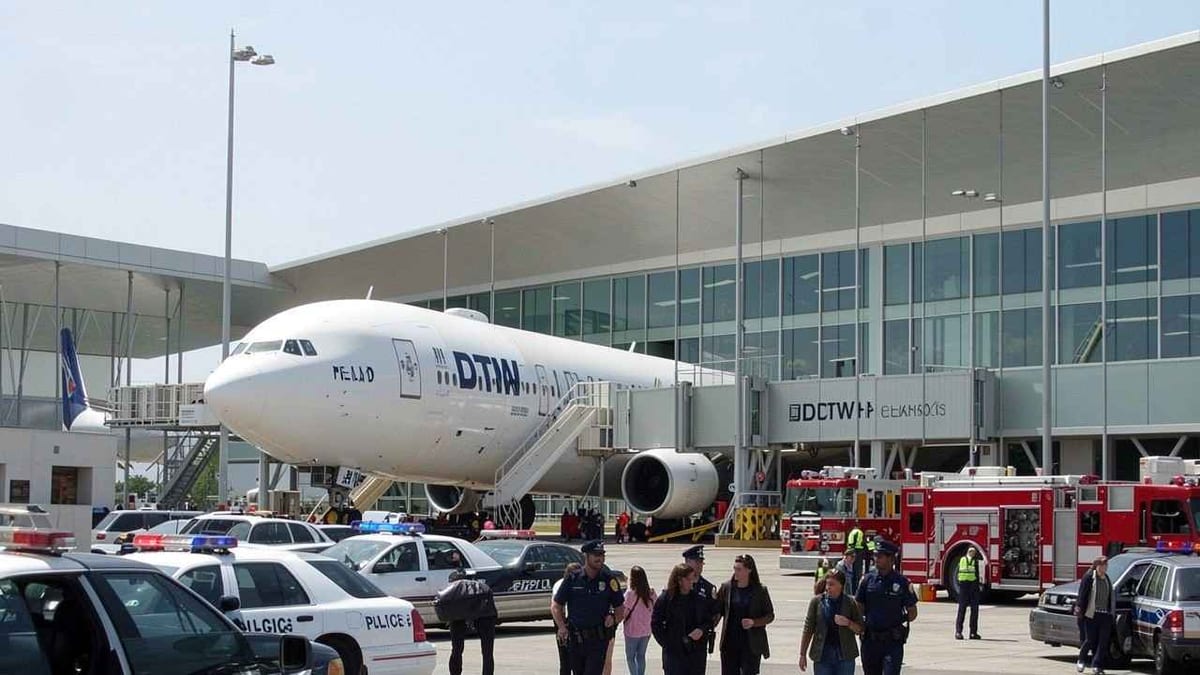
A Delta Connection CRJ-900 operating as flight EDV5266 between Hartsfield-Jackson Atlanta International Airport and Charlottesville-Albemarle Airport diverted to Piedmont Triad International Airport on August 10 following a reported in-flight issue, according to early flight-tracking data and local coverage.
Get the latest news straight to your inbox!
Regional Service Disruption on Atlanta to Charlottesville Route
Publicly available flight-tracking information shows that the Endeavor Air-operated regional jet departed Atlanta on schedule on August 10 before altering course partway through the journey. Instead of continuing toward Charlottesville, the CRJ-900 turned toward Piedmont Triad International Airport near Greensboro, North Carolina, where it landed without further incident reported by open sources.
Data from flight-tracking platforms indicates that the diversion occurred during the cruise portion of the short hop between Georgia and Virginia, a route typically flown in just over an hour. The aircraft descended gradually into Piedmont Triad, suggesting a controlled, precautionary diversion rather than an abrupt emergency descent.
The change in routing resulted in disruption for passengers traveling to or from Charlottesville, a smaller market that relies heavily on regional connections to major hubs such as Atlanta. Regional jets like the CRJ-900 form a key link in this network, moving travelers to larger airports where they can connect to long-haul and transcontinental flights.
As of the latest available information, no serious injuries or significant damage had been publicly documented in relation to the diversion. Subsequent scheduling adjustments for the aircraft and crew were managed through the airline’s regular operational channels.
Understanding Why Flights Divert to Alternate Airports
While specific technical details about this particular event had not been fully detailed in public reports at the time of writing, diversions on regional jets can stem from a range of factors. Common reasons include possible mechanical irregularities, indications in aircraft systems that warrant caution, medical situations affecting passengers or crew, or weather conditions developing along the route or at the destination airport.
Industry practice generally favors precaution when a potential safety or operational concern arises in flight. Even relatively minor anomalies can lead to a decision to divert to an airport with longer runways, more robust ground support, or better weather. Piedmont Triad International Airport serves as a logical alternate for flights operating along the busy corridor between Atlanta and airports in Virginia and the Mid-Atlantic region.
Regional aircraft such as the CRJ-900 operate under the same overarching safety frameworks that govern larger mainline jets. Operators typically build diversion plans into flight preparation, identifying alternates that can offer maintenance facilities, emergency services, and suitable passenger handling in the event of an unscheduled landing.
When such events occur, airlines may prioritize getting the aircraft safely on the ground first, and then focus on the logistics of reaccommodating passengers through rebooking, onward transport, or overnight arrangements when required. Publicly available schedules and tracking data usually show subsequent repositioning flights as the carrier restores the aircraft to its planned network.
Impact on Passengers and Regional Connectivity
Passengers aboard flight EDV5266 experienced an unplanned stop that likely extended travel times and complicated onward connections. In smaller markets like Charlottesville, where daily frequencies can be limited, a diverted or canceled flight may have knock-on effects for travelers who rely on narrow connection windows in Atlanta to reach other domestic or international destinations.
Regional operations are often tightly scheduled, with aircraft making multiple short segments each day. A diversion of one flight can cascade through the timetable as crews reach duty limits and aircraft are taken out of position. Publicly accessible schedule adjustments following the diversion indicate that the airline worked to restore regular service on the route by reshuffling aircraft and crews within its regional network.
For affected travelers, disruptions of this nature typically lead to rebooking on later flights from either Piedmont Triad or Atlanta, or in some cases, ground transportation to the original destination. The extent of inconvenience depends on the time of day, available spare aircraft, and whether alternate flights still have open seats.
Despite the operational challenges, diversions that end with uneventful landings are generally regarded in the industry as examples of safety protocols working as intended. The priority remains bringing passengers and crew safely to an airport equipped to handle any underlying issue, even when that requires significant schedule changes.
CRJ-900 and Endeavor Air’s Role in the Delta Network
The aircraft involved in the August 10 diversion was a Bombardier CRJ-900, a twin-engine regional jet commonly used in North American feeder operations. Configured for roughly 70 to 76 passengers, the CRJ-900 serves routes that would be inefficient for larger mainline aircraft, particularly to cities with limited demand but important business or academic ties.
Endeavor Air, operating under the Delta Connection brand, is one of Delta’s principal regional partners and maintains a significant presence in Atlanta. Its fleet of CRJ-900 aircraft supports numerous short and medium-length routes linking the hub to mid-sized and smaller communities across the eastern United States.
The airline’s regional jets are subject to the same regulatory oversight as larger aircraft, and fleet data shows a continued industry focus on updating cabins, improving passenger amenities, and enhancing reliability. Events like diversions are documented in aviation databases and enthusiast forums, contributing to a public record that allows observers to track how carriers manage irregular operations.
In this case, flight-tracking records for EDV5266 on August 10 illustrate how regional partners such as Endeavor Air contribute to overall network resilience by making use of alternate airports and contingency planning when inflight issues arise. The ability to divert to facilities like Piedmont Triad helps maintain safety margins on busy hub-and-spoke systems.
Broader Context for Summer Irregular Operations
The diversion of EDV5266 occurred during a busy summer travel period when airlines throughout the United States manage high passenger volumes along with seasonal weather patterns and air traffic constraints. This combination can increase the likelihood of irregular operations such as delays, cancellations, and diversions, particularly in congested airspace around major hubs.
Publicly available aviation statistics show that U.S. carriers often experience elevated rates of weather-related disruptions in the warmer months due to thunderstorms, reduced visibility, and air traffic control reroutes. Even when weather is not the primary cause, crowded skies and tight schedules can limit flexibility once an aircraft needs to divert from its planned route.
For travelers, events like the diversion of the Atlanta to Charlottesville service highlight the value of monitoring flight status, leaving extra time for critical connections, and maintaining up-to-date contact information in airline reservation systems. These steps can help passengers respond more quickly when an unexpected landing or reroute changes the course of a trip.
Although diversions can significantly inconvenience travelers, the outcome in cases where flights land safely at alternate airports underscores the layered safety approach that underpins commercial aviation. The August 10 event involving Delta Connection flight EDV5266 illustrates how those layers function in practice, bringing a routine regional service to a different airport than planned while keeping passenger safety at the center of operational decisions.