


More news on this day
A United Airlines Boeing 737-924(ER) operating as flight UAL2801 from Tampa to Chicago diverted to Milwaukee on August 9, 2026, adding to a series of disruptions affecting traffic into Chicago as storms and congestion continue to challenge summer operations across the Midwest.
Get the latest news straight to your inbox!
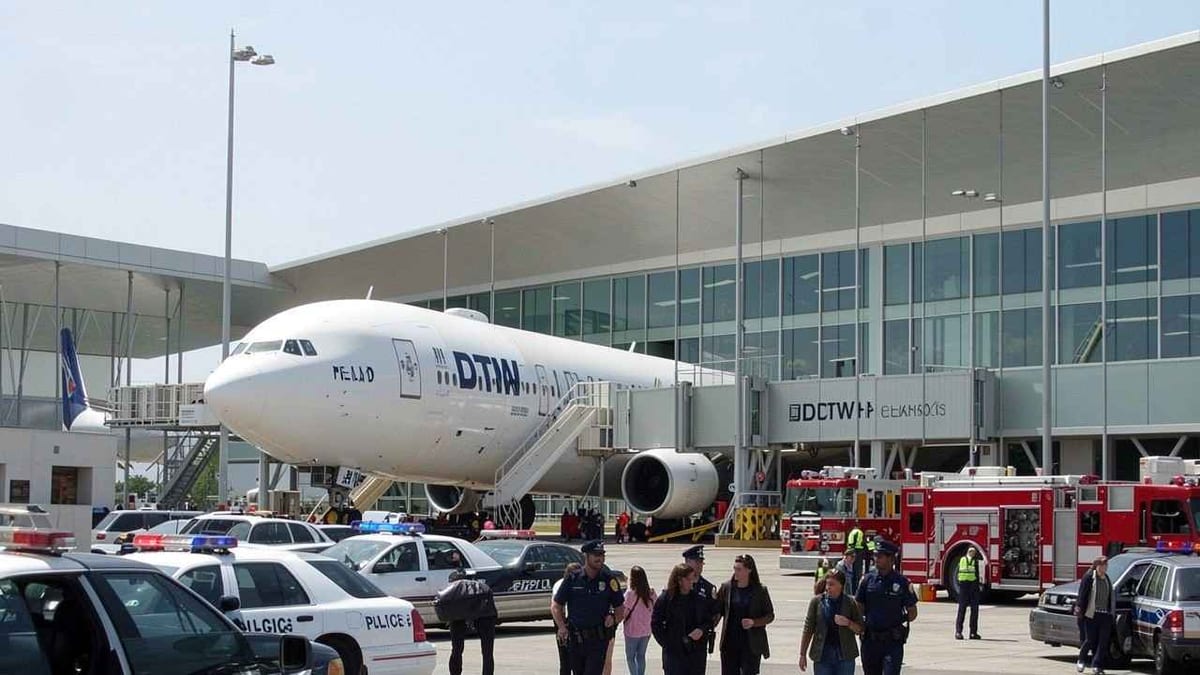
Flight Details and Unscheduled Stop in Milwaukee
Publicly available flight tracking data show that UAL2801 departed Tampa International Airport on August 9 on a scheduled service to Chicago O’Hare International Airport, using a Boeing 737-924(ER), part of United’s 737 Next Generation fleet. The flight followed a typical northbound route for much of the journey before diverting from its approach track toward Chicago and heading for Milwaukee Mitchell International Airport.
Data from aviation tracking platforms indicate that the aircraft descended and landed safely in Milwaukee after altering course away from the Chicago area. The diversion converted what is normally a routine flight of just under three hours into a more complex sequence, as passengers were brought to an airport about 90 miles north of their intended destination.
As is standard in such situations, the diversion meant an unplanned arrival into an airport that typically handles fewer mainline United operations than Chicago O’Hare. Ground handling, gate availability, and crew duty time constraints can influence how quickly an aircraft and its passengers can continue on to the original destination after such a change.
There were no immediate indications from public reporting of any injuries associated with the diversion, and the Boeing 737-924(ER) involved is part of a long-serving workhorse fleet for United on domestic routes such as Tampa to Chicago.
Weather and Congestion Pressure Around Chicago
The diversion of UAL2801 occurred against a backdrop of recurring weather and congestion challenges affecting Chicago O’Hare during the 2026 summer travel season. Reports from airline passengers and tracking communities in recent weeks describe multiple flights to O’Hare being rerouted to nearby airports including Milwaukee, Indianapolis, Louisville, and Rockford as thunderstorms and capacity constraints ripple through the network.
Publicly posted travel waiver notices and user reports show that United has periodically issued flexibility policies around O’Hare when severe weather is forecast, underscoring how quickly storms over northern Illinois and southern Wisconsin can disrupt hub operations. These conditions can force arriving flights into holding patterns, lengthen taxi times, and lead to fuel or crew duty limitations that ultimately require diversions.
In some cases documented by travelers this summer, flights bound for Chicago have spent extended periods in holding stacks before being directed to airports such as Milwaukee. Once there, passengers have faced a mix of outcomes, from remaining onboard for refueling and a later hop into O’Hare to disembarking and arranging onward travel by rail, car, or rebooked flights.
The diversion of UAL2801 fits within this broader pattern of operational stress around Chicago, where the combination of heavy summer schedules and volatile storm systems has translated into more frequent last minute route adjustments for airlines serving the hub.
Milwaukee’s Role as a Relief Airport
Milwaukee Mitchell International Airport has increasingly featured in online accounts as a key diversion point when traffic into O’Hare is constrained. Its relative proximity to Chicago, along with available runway and terminal capacity during certain periods, makes it a practical alternative when weather or congestion temporarily overwhelms the larger hub.
Travelers sharing their experiences in recent weeks describe Milwaukee’s terminals filling with unexpected arrivals from United and other carriers as multiple flights divert within a short time window. In those instances, airport staff and airline partners have had to manage crowding at gates and baggage claim while balancing the limits of local ground resources.
For passengers on UAL2801 and similarly affected flights, a diversion to Milwaukee can have mixed implications. For residents of northern Illinois and southern Wisconsin, the airport may actually be closer to home than O’Hare, making ground transport a viable alternative. For connecting passengers and those headed deeper into the Chicago area, however, the unplanned stop can mean missed onward flights, hotel stays, or lengthy car and train journeys.
The growing visibility of Milwaukee as a relief airport in public reporting highlights how regional infrastructure around major hubs contributes to overall network resilience, even as passengers face short term inconvenience when diversions occur.
Operational and Passenger Impacts of Diversions
While each diversion has its own specific cause, aviation analyses and academic work on delay patterns emphasize that longer holding times, crew duty limits, and fuel planning are central factors in decisions to leave an intended destination for an alternate airport. When storms or congestion extend expected arrival times beyond safe operating margins, rerouting becomes one of the few tools available to flight crews and dispatchers.
For airlines, diversions like that of UAL2801 generate additional operating complexity, including repositioning aircraft, securing gates and ground services at non-hub airports, and managing crew schedules that may already be tight during peak travel periods. These events can cascade into later delays or cancellations if aircraft and crews are no longer in position for subsequent flights.
For passengers, a diversion can mean uncertainty about timing and rebooking options. Public accounts from recent Chicago area disruptions describe a range of experiences, from relatively smooth transfers with quick onward flights to lengthy waits for transportation, limited local staffing, and difficulty securing rental cars or ride-share services for the final leg of the journey.
Industry research on U.S. airline operations notes that such irregular operations, while a small fraction of total flights, can significantly shape traveler perceptions of reliability. The handling of diversions, communication about options, and speed of recovery become key elements in how disruptions are remembered, particularly during high-demand summer travel periods.
Summer 2026 Travel Conditions in Focus
The UAL2801 diversion adds to a growing body of anecdotal and analytical evidence that the 2026 summer travel season has been marked by heightened vulnerability to weather events across the Midwest and Gulf regions. Storm-related travel waivers around Chicago and Florida, including Tampa, illustrate how carriers have tried to give passengers more flexibility when severe conditions are forecast.
At the same time, reports from aviation forums and consumer discussions point to crowded terminals, multiple rebookings, and extended routings for some travelers as airlines work to protect safety while keeping as much of the schedule operating as possible. Flights to and from major hubs such as O’Hare are particularly exposed because disruptions can reverberate across an extensive connecting network.
Analysts examining long term patterns in U.S. flight operations have noted that high utilization of aircraft and crews, combined with increasingly volatile weather, can leave relatively little room for error when storms develop along key routing corridors. Events like the diversion of UAL2801 from Tampa to Milwaukee illustrate how quickly a routine domestic sector can be reshaped by those combined pressures.
As the peak summer period continues, UAL2801’s detour through Milwaukee stands as one more example of the operational balancing act facing airlines in 2026, as they negotiate between safety margins, network efficiency, and the expectations of travelers moving through some of the country’s busiest airspace.