


More news on this day
A packed passenger ferry operating off the coast of Nagapattinam in Tamil Nadu reportedly became stranded at sea with 142 people on board, prompting local fishermen in the area to help tow the disabled vessel toward safety, according to early regional media coverage.
Get the latest news straight to your inbox!
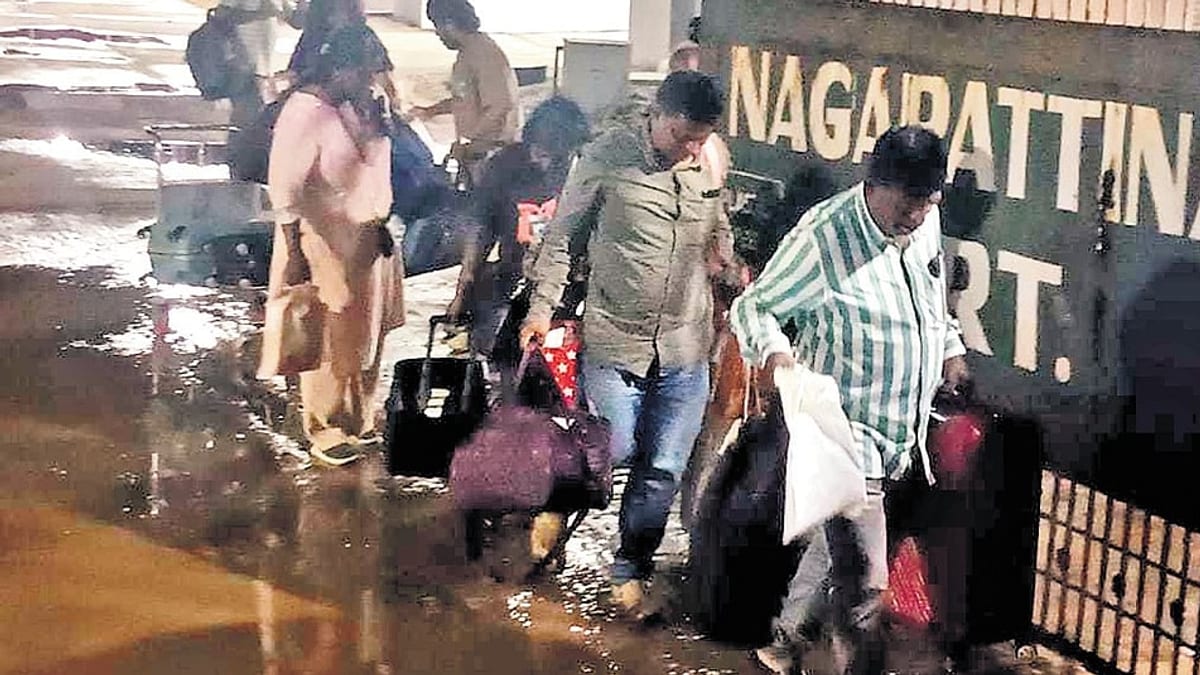
Ferry Stranded Off Tamil Nadu Coast With 142 On Board
Initial reports from regional news outlets in India indicate that the incident occurred off the Nagapattinam coast, a key maritime hub on Tamil Nadu’s Coromandel shoreline frequently used by fishing vessels and passenger craft. The ferry, described in local coverage as a tourist or passenger service, reportedly lost propulsion while at sea, leaving more than 140 passengers and crew adrift.
Available information suggests that the vessel was carrying 142 people when it became immobile. The precise distance from shore and the exact timing of the breakdown have not yet been consistently detailed in public reporting, but coverage indicates the ferry was sufficiently far from the coastline that those on board were dependent on nearby marine traffic for assistance.
Weather conditions in the region at this time of year are often variable, with the Bay of Bengal known for sudden squalls and crosswinds. However, early accounts do not clearly indicate that rough seas played a direct role in the loss of power; the focus of publicly available information so far remains on an apparent mechanical or technical failure that left the ferry unable to maneuver.
No fatalities have been mentioned in the initial coverage. Passengers, including families and domestic tourists, reportedly remained on board as responders worked to stabilize the situation and organize a tow.
Local Fishermen Step In As First Responders
One of the most striking elements of the incident, as reflected in Indian media reports, is the role played by local fishermen. Fishing boats from nearby Nagapattinam and surrounding coastal settlements reportedly altered course to reach the stranded vessel after learning of its predicament at sea.
Accounts indicate that multiple fishing craft approached the disabled ferry and assisted in securing tow lines so that the larger vessel could be moved slowly toward safer waters closer to shore. The towing operation appears to have been improvised, with fishermen working alongside formal responders to reposition the ferry and reduce immediate risks to those on board.
Nagapattinam’s economy is deeply tied to nearshore fishing, and similar accounts of fishermen aiding distressed boats have been documented historically in this part of the Bay of Bengal. The latest reports position this incident within that broader pattern, highlighting how small-scale fishing fleets often become de facto first responders when marine emergencies unfold within sight of their regular fishing grounds.
Publicly available information suggests that as the ferry was brought closer to land, additional support from official rescue and maritime safety services became easier to coordinate. Details on the final transfer of passengers to shore, including whether they disembarked via port facilities or smaller craft, have not yet been fully clarified in open reports.
Questions Over Ferry Operations and Safety Practices
With all passengers reported safe in the immediate aftermath, attention is turning to questions about ferry operations in the Nagapattinam region. Tamil Nadu’s coastal belt has seen renewed interest in passenger and tourism routes, including services connecting India with Sri Lanka and local coastal excursions, making safety standards and vessel maintenance a recurring topic of public discussion.
Published coverage of this latest incident has not yet provided a full technical explanation for the reported loss of power. However, the breakdown is already prompting commentary in local media and on social platforms about the condition of vessels used for passenger services, the adequacy of routine inspections, and the capacity of operators to handle mechanical failures without external assistance.
Maritime analysts frequently note that sudden propulsion failures do not automatically translate into large-scale disasters when safety protocols are followed and when prompt assistance is available. Even so, a ferry stranded with more than 140 people on board underscores how quickly a seemingly routine trip can evolve into a high-risk situation, particularly if weather deteriorates or if help is delayed.
Observers are also drawing attention to the reliance on local fishing communities to bridge gaps in formal search-and-rescue coverage. While fishermen’s involvement is often portrayed as an example of community solidarity, it also raises broader questions about whether coastal emergency infrastructure and dedicated rescue assets are sufficient along busy stretches of the Bay of Bengal.
Nagapattinam’s Growing Profile as a Maritime and Tourism Hub
The incident comes at a time when Nagapattinam is seeking to consolidate its position as both a regional fishing center and a gateway for coastal tourism. The district’s long shoreline, religious sites nearby, and proximity to international maritime routes have encouraged interest in expanding passenger services, including cross-border links to Sri Lanka and leisure-oriented cruises.
Researchers studying the area’s post-tsunami development have noted that fishing infrastructure and small harbors along this part of Tamil Nadu’s coast have been steadily upgraded, and fiberglass and mechanized boats have become more common. Passenger services, both formal and seasonal, have grown alongside this transformation, bringing new economic opportunities while heightening the need for robust maritime governance.
The reported stranding of a ferry with 142 people aboard is likely to feed into ongoing discussions about how best to balance growth in coastal tourism and passenger transport with investment in safety systems, navigational aids, and training. Travel planners and tourism operators monitoring developments in Nagapattinam may watch closely for any regulatory responses that affect licensing, inspection regimes, or passenger capacity limits on local routes.
For travelers, the event serves as a reminder that sea journeys, even on short coastal segments, require attention to basic safety considerations such as the availability of life jackets, adherence to passenger limits, and awareness of prevailing weather patterns in the Bay of Bengal.
Implications for Coastal Travel and Emergency Preparedness
Although the Nagapattinam ferry was eventually towed toward safety without publicly reported casualties, the episode highlights both the vulnerabilities and resilience of coastal transport networks. A power failure at sea can leave a vessel exposed for hours, particularly if it occurs outside the most heavily trafficked shipping lanes or beyond the immediate reach of dedicated rescue craft.
From a travel perspective, the incident underscores the importance of contingency planning for operators and authorities alike. Clear protocols on how to manage stranded vessels, coordinate with nearby fishing fleets and commercial ships, and communicate information to passengers are central to maintaining confidence in coastal ferry services.
Emergency preparedness in such contexts often relies on a combination of formal coast guard operations, state maritime agencies, and the intimate local knowledge of fishermen who navigate these waters daily. The Nagapattinam case illustrates how that blend of institutional and community capacity can avert more serious outcomes, while still drawing attention to the need for systematic improvements.
As investigations and official reviews move forward, observers anticipate closer scrutiny of the ferry’s maintenance records, the training of its crew, and the robustness of communication links between passenger vessels and shore-based coordination centers. For the growing number of travelers looking to explore India’s southeastern coastline by sea, the lessons drawn from this incident may gradually reshape how ferry routes are marketed, regulated, and experienced in the months ahead.