


More news on this day
The British Virgin Islands is preparing for a new wave of international visitors in 2026, as a coordinated push from the United Kingdom, United States, Canada and Germany aligns with expanded airlift, airport upgrades and fresh global marketing to position the territory as a more accessible long-haul Caribbean escape.
Get the latest news straight to your inbox!
New Airlift and Airport Plans Set the Stage for Growth
Publicly available government budget documents for 2026 describe tourism as the primary engine of growth for the British Virgin Islands, with air access singled out as a critical pillar. The Terrance B. Lettsome International Airport on Beef Island is at the center of this strategy, with the runway expansion process advancing toward a request for proposals expected in 2026. The goal is to handle larger aircraft and more frequent connections that can support long-haul source markets.
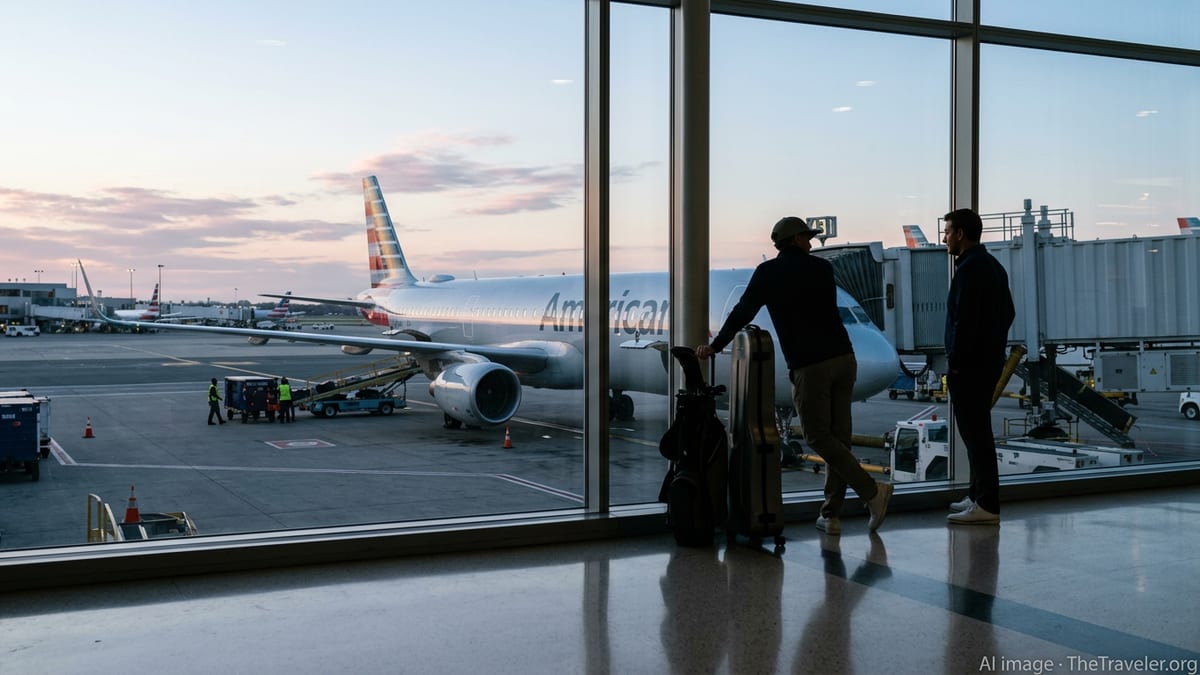
Reports from the territory’s aviation authorities show that American Airlines has already been building momentum through increased Miami to Beef Island services, including multiple daily flights and additional weekend frequencies. This enhanced schedule is helping to stabilize year-round capacity and create dependable same-day links from major U.S. hubs, which in turn makes it easier for passengers from Canada and Germany to connect via U.S. gateways.
Regional connectivity is also strengthening. Local media coverage in late 2025 highlighted new Winair services linking Tortola with Barbados and Trinidad, beginning in January 2026, offering same-day one-stop options into the BVI from a broader range of Caribbean and Latin American gateways. Industry observers note that these routes are particularly important in the short term, while the main airport expansion is still in progress, because they multiply the number of viable itineraries from long-haul markets.
Tourism planners in the territory have framed these airlift upgrades as long-term investments rather than stand-alone seasonal boosts. Budget statements refer to airport development as a strategic project intended to support social and economic transformation, suggesting that sustained capacity from the U.S., Canada, the UK and Germany is viewed as essential to the next phase of the BVI’s tourism economy.
United Kingdom Joins a Wider Global Marketing Push
While the U.S. has been a traditional mainstay for BVI arrivals, marketing efforts are widening, with the United Kingdom becoming a more visible focus as 2026 approaches. Official channels show that the BVI maintains an active London office, originally established to strengthen its profile within the UK and Europe. Recent policy statements position this overseas representation as part of a broader diplomatic and economic strategy that includes tourism promotion.
International tourism boards elsewhere are also sharpening their focus on UK and German travelers in the run-up to 2026, creating a competitive but opportunity-rich environment for Caribbean destinations. Destination British Columbia, for example, has targeted the UK and Germany as high-potential markets in a global campaign that runs across the 2025 to 2026 winter travel season. Industry analysts interpret this wider activity as evidence that long-haul leisure demand from both countries is recovering strongly and that travelers are seeking more diverse warm-weather options.
For the BVI, this climate dovetails with a planned modernization of its own tourism strategy. Budget information for 2026 references a forthcoming Tourism Development Bill and a national tourism plan designed to unify branding and marketing under a single authority. Observers expect the UK market to feature prominently in this plan, given historic ties, strong yachting interest and the territory’s existing representation in London.
By aligning improved air access with a clearer, more consolidated marketing message, the BVI is positioning itself to convert interest from British and European travelers into measurable visitor growth. The overarching aim is to shift from sporadic promotions to a coordinated long-term presence in core markets, including the UK, the U.S., Canada and Germany.
US, Canadian and German Markets Drive Connectivity
The United States remains the backbone of the BVI’s international air traffic, and recent airline schedules reflect this reality. Increased Miami services from American Airlines, including up to five flights daily and added weekend capacity, have been highlighted as a sign of confidence in the destination. More frequent U.S. links translate directly into easier one-stop itineraries from across North America and from German hubs that connect through major U.S. gateways.
Canadian travelers, traditionally reliant on connecting flights, stand to benefit from this broader North American network. While dedicated nonstops from Canada to the BVI are not yet in place, the growth of Miami and other U.S. hubs is improving access from cities such as Toronto, Montreal and Vancouver. Travel industry coverage indicates that Canadians are increasingly comfortable with multi-leg Caribbean itineraries when the end destination offers premium sailing, diving and villa experiences.
For Germany, the path to the BVI typically runs through a combination of transatlantic services into the U.S. or other Caribbean hubs and onward regional flights. European tourism campaigns that emphasize long-haul adventure, sailing and nature-focused escapes tend to resonate strongly with the German market, and the BVI’s marine-focused product fits well within that profile. With new regional flights from Barbados and Trinidad to Tortola, German visitors arriving into larger Caribbean gateways will have more itinerary options in 2026.
Travel industry analysts note that when multiple long-haul markets share the same connecting hubs, schedule reliability, minimum connection times and baggage handling agreements become crucial. The growing lattice of U.S. and regional flights into Tortola helps address these concerns by giving passengers from Canada and Germany more redundancy and flexibility when planning peak-season travel.
Inside the BVI’s 2026 Tourism Strategy and Branding
The BVI’s official tourism portal has recently emphasized messaging around pristine marine environments, boutique resorts and low-rise, low-density development, signaling a deliberate focus on higher-value, lower-volume travel. This approach is consistent with government budget documents that describe tourism growth alongside modernization and new investment, rather than simple volume expansion.
A macroeconomic review published by the territory highlights the role of the BVI Tourist Board in leading a rebranding and marketing expansion to refine how the islands present themselves to international audiences. Earlier initiatives have focused on regional promotions, such as “staycation” programs and targeted outreach within the Caribbean, setting the stage for a broader global push in the 2025 to 2026 window.
For travelers in the UK, U.S., Canada and Germany, this updated branding is expected to surface through more coordinated campaigns featuring sailing regattas, yacht charters, luxury villas and soft adventure, rather than mass-market resort imagery. Observers suggest that this positions the BVI competitively among Caribbean destinations that are also upgrading their product, by leaning into authenticity, seascapes and personalized service.
The planned Tourism Development Bill and unified tourism authority referenced in the 2026 budget are designed to ensure that airlift negotiations, marketing investments and product development decisions are made within a single strategic framework. Industry commentary indicates that this kind of structural reform can help smaller destinations negotiate more effectively with large airlines and tour operators across multiple markets.
What International Travelers Need to Know for 2026
With increased flights and renewed marketing comes practical planning information that visitors will need in 2026. The BVI tourism website and immigration guidance currently promote an online arrival form for passengers arriving by air, designed to streamline entry procedures and reduce congestion at the airport. Travelers from the UK, U.S., Canada and Germany are advised to complete the form before departure and ensure that passport validity and any visa requirements are checked against the latest official information.
Arrivals pages also outline the role of regional carriers such as inter-island airlines and seaplane operators that link Tortola and Virgin Gorda with nearby hubs including San Juan. Seasonal premium services, such as scheduled flights by boutique carriers between Puerto Rico and the BVI, are expected to provide additional options for travelers seeking shorter transit times and upgraded onboard experiences during the 2025 to 2026 high season.
Given the ongoing runway expansion planning and evolving airline schedules, travel experts recommend paying close attention to connection times in Miami, San Juan and major European hubs, particularly for winter 2025 to 2026 and early 2026 peak periods. As new frequencies are added and marketing in the UK, U.S., Canada and Germany ramps up, demand for prime weekend and holiday departures is likely to increase, reinforcing the value of booking early.
For the BVI, the convergence of infrastructure upgrades, expanded airlift and coordinated multi-market promotion represents a pivotal moment. For travelers, it means that in 2026 the territory will be more reachable than at any time in recent memory, with a growing range of flight options tailored to visitors from across the Atlantic and North America.