


More news on this day
Fitzpatrick Park has reopened to visitors after a freight train derailment prompted an extended closure, restoring access to a popular green space while cleanup and monitoring continue in the surrounding area.
Get the latest news straight to your inbox!
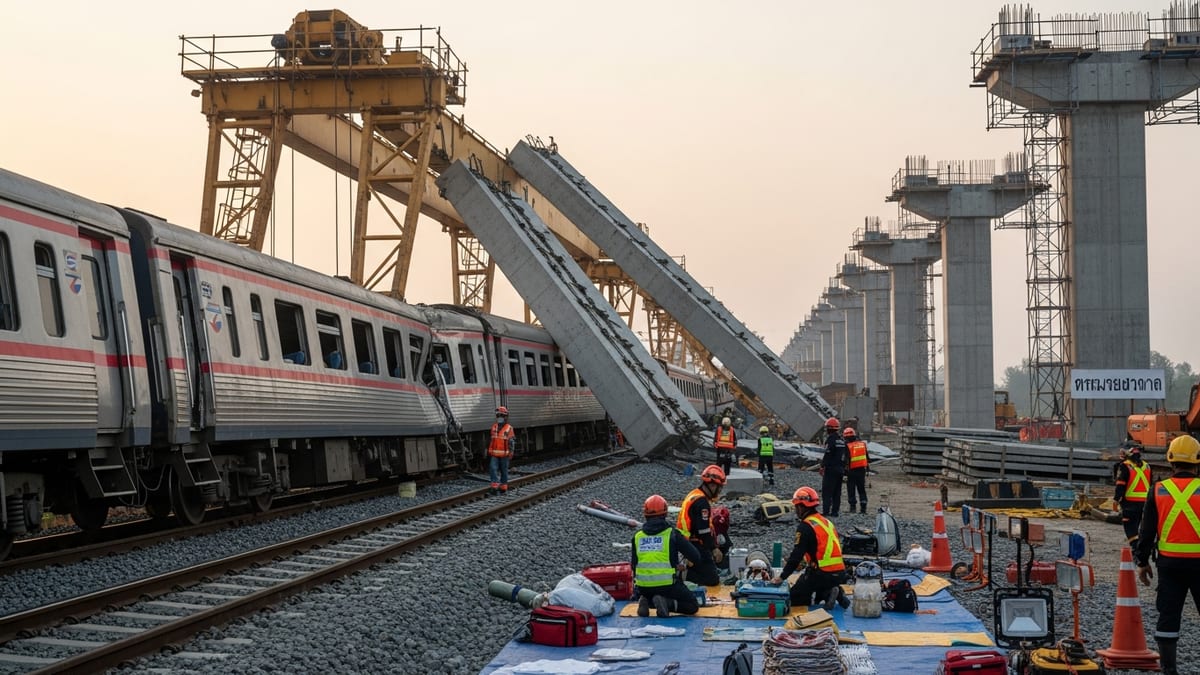
Park reopens after extended closure
Fitzpatrick Park has returned to normal operating hours following a shutdown that began immediately after a nearby freight train derailed and forced officials to restrict public access. The closure, which lasted several weeks, was put in place to keep visitors away from rail activity, heavy equipment and ongoing inspections around the park’s perimeter.
Publicly available information indicates that all formal closure notices affecting the park have now been lifted, allowing walking paths, picnic areas and open lawns to reopen. Entry points that were previously cordoned off with temporary barriers have been cleared, and traffic patterns on surrounding streets have largely normalized.
Local coverage shows that transportation routes serving the wider area were progressively restored in recent days as rail recovery crews removed damaged cars and track equipment. With those operations shifted away from the park boundary, recreation managers have determined that regular day use can safely resume.
The reopening restores an important outdoor space for nearby neighborhoods, where residents had been advised to avoid the immediate vicinity of the derailment site during the heaviest phase of emergency and cleanup activity.
Safety checks and monitoring shape visitor experience
According to published reports, rail infrastructure near Fitzpatrick Park underwent a series of inspections before the park returned to service. Track segments closest to the recreational area were evaluated for structural damage, and additional checks were carried out on signals and rail bed conditions before freight traffic resumed at reduced speeds.
Environmental specialists have also continued to review data collected after the derailment, including monitoring around drainage channels and low-lying areas that connect to the broader watershed. Available information shows that testing has focused on potential fuel and cargo releases, with agencies publishing updates as results come in.
Visitors to Fitzpatrick Park will notice remaining signs advising people to stay within designated recreation zones and to avoid any active work areas outside established paths. Reports indicate that these measures are designed to keep the public away from residual equipment staging and from sections of track still subject to follow-up inspections.
Park staff have encouraged visitors, through posted notices, to report any unusual odors, visible sheens or debris along creeks and low-lying areas inside the park so those observations can be passed along to the relevant environmental teams.
Rail cleanup continues along the corridor
While Fitzpatrick Park itself has reopened, recovery work along the wider rail corridor remains ongoing. Coverage of recent derailments in other regions shows that response efforts typically extend for weeks or months as crews remove damaged railcars, restore embankments and replace track components.
In the case of the line running past Fitzpatrick Park, publicly available updates describe the staged removal of derailed cars, the transfer of remaining cargo and the stabilization of any disturbed ballast and soil. Similar to other recent incidents in Kentucky, Connecticut and Tennessee, work tends to proceed in phases, with transportation routes and community spaces reopening as individual safety milestones are met.
Railroad contractors are expected to continue operating in the vicinity on a reduced scale, focusing on long term repairs and inspections that are less disruptive to daily life. For park users, this may mean occasional noise from maintenance activity or the presence of work vehicles on access roads that connect the park to the rail line.
Agencies have emphasized in public postings that ongoing rail work and the park’s reopening can coexist, provided that visitors respect temporary barriers and observe all posted warnings near the tracks.
Community returns to a favorite green space
The reopening of Fitzpatrick Park has been welcomed by residents who rely on the space for walking, running and informal gatherings. The closure followed a period when nearby streets experienced detours and congestion related to the derailment, reinforcing how closely local recreation areas and transportation networks are intertwined.
Travel and lifestyle coverage of similar reopenings in other communities suggests that parks often serve as visible indicators of recovery after transportation disruptions. When green spaces reopen, it signals that immediate safety concerns have eased and that daily routines can slowly return to normal.
Families and visitors arriving at Fitzpatrick Park in recent days have encountered freshly inspected trails, cleared play areas and open picnic sites, though some sections near the rail line may remain off limits while long term restoration continues. These partial adjustments are consistent with approaches seen at other parks that have reopened after nearby infrastructure incidents.
Local tourism and outdoor recreation guides are expected to update their listings to reflect the change in status, which may encourage day trippers and regional visitors to add Fitzpatrick Park back into weekend plans.
Travel tips for visitors heading to Fitzpatrick Park
For travelers planning a visit, publicly available information recommends checking local traffic advisories for any lingering lane restrictions on roads approaching the park. Although major closures tied directly to the derailment have been lifted, intermittent work zones or reduced speed limits can still affect drive times along the rail corridor.
Visitors arriving by car are likely to find primary parking areas open, but they may encounter newly posted signs guiding vehicles away from access points nearest the tracks. These adjustments are intended to minimize congestion around remaining work activity and to preserve clear routes for any service vehicles that still need to reach the rail line.
Outdoor enthusiasts are advised to plan for a typical day in a popular urban park while staying aware of remaining restrictions. That includes staying on marked paths, keeping a reasonable distance from the rail right of way and following any on site instructions about water access if creeks or ponds are present within the park boundary.
For many visitors, the return of Fitzpatrick Park to regular operations offers the chance to reconnect with a familiar landscape at a moment when nearby communities are still working through the longer term impacts of the derailment and its cleanup.