


More news on this day
Parts of the United States are experiencing disruptive flash flood conditions this weekend, with intense downpours prompting warnings that are affecting road travel, outdoor recreation, and late-summer tourism across several regions.
Get the latest news straight to your inbox!
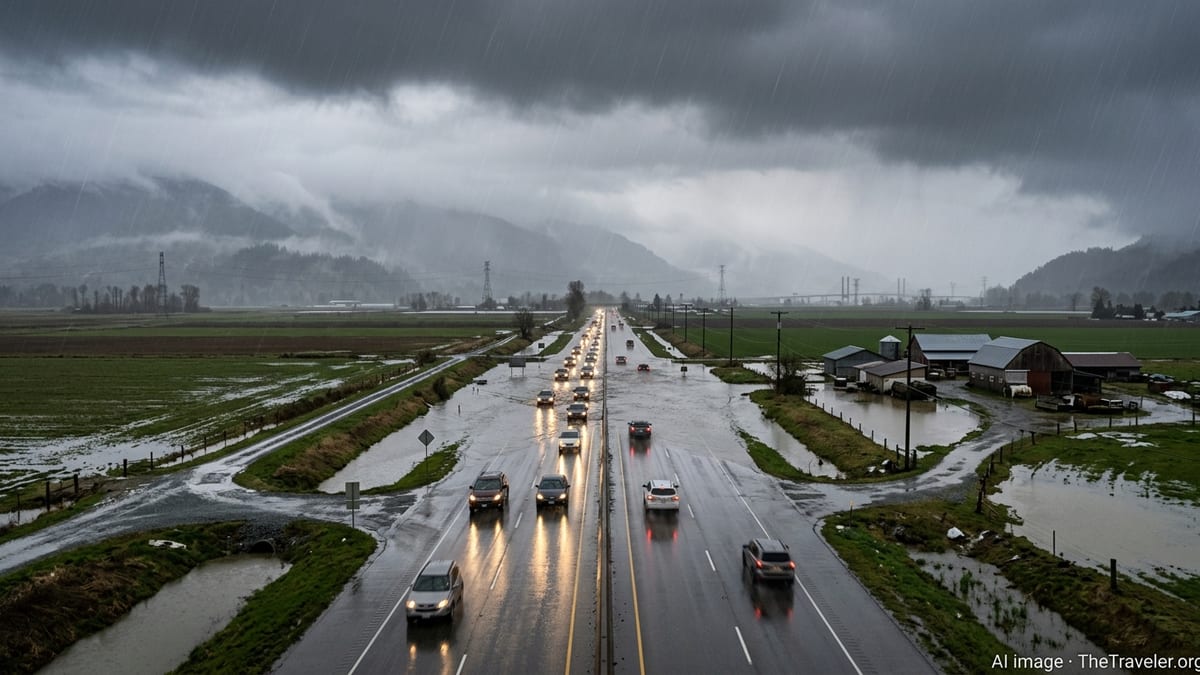
Warnings Follow Days of Intense Late-Summer Storms
Heavy rain tied to a series of late-summer storm systems has saturated ground in multiple parts of the country, making some communities especially vulnerable to rapid flooding. In the Northeast, published coverage describes strong storms that recently flooded roads, damaged beaches, and stranded drivers in New Jersey as powerful cells moved along the coast. Similar patterns of slow-moving thunderstorms and locally intense downpours are being monitored in the Mid-Atlantic and interior regions, where additional rainfall could quickly overwhelm drainage.
In the interior West, localized flash flood warnings have been issued in burn scar areas, including parts of southern Colorado, where reports highlight a warning affecting the Aspen Acres burn scar near Beulah and low-lying terrain in east central Douglas County. The combination of steep terrain, wildfire burn scars, and short-duration heavy rain has increased runoff rates and raised the risk of fast-rising creeks and arroyos, a concern for both residents and visitors in the region.
Farther south and west, recent National Weather Service updates from the monsoon-influenced deserts of Arizona and southeastern California emphasize past episodes of damaging winds, dust, and flash flooding this month. While extreme heat advisories continue for many desert locations, forecasters are also tracking moisture surges that can produce sudden heavy rainfall, particularly over slot canyons, dry washes, and urban roadways that are frequented by travelers.
In the central United States, recent floods in Texas during July have been described in regional reporting as part of an increasingly variable pattern of intense rain events. Coverage of these events notes that multiple basins, including stretches of the Guadalupe River, experienced flash flood emergencies that required evacuations and rescues. Though those emergencies have eased, saturated ground in portions of the southern Plains can heighten sensitivity to any new bursts of tropical or frontal rainfall.
Travel Disruptions for Drivers and Late-Summer Tourists
Across areas under flash flood warnings or watches, surface transportation continues to face the greatest immediate impact. Publicly available safety guidance from the National Weather Service stresses that flooding along highway dips, bridges, and low-lying underpasses can arrive with little warning, especially at night or when storms repeatedly track over the same corridor. Even familiar roads can quickly become impassable when water overtops lanes, obscures lane markings, or conceals damage to the roadbed.
For travelers planning scenic drives through mountain passes, canyon roads, or desert washes, localized warnings around burn scars and steep terrain create added uncertainty. State and local transportation updates often show temporary closures due to mud, rockfall, or flooded culverts after intense thunderstorms. Camping areas near small streams and dry washes may also be closed or restricted when flash flood potential increases, disrupting itineraries focused on hiking, rafting, or off-road exploration.
Urban destinations are not immune. Reports from the Northeast this week describe vehicles stranded in quickly flooding city streets and coastal access roads as storms moved through during commuting hours. Parking garages, waterfront lots, and low-level hotel parking areas can all be vulnerable to rapid inundation, which can damage vehicles and complicate departures for visitors attempting to reach airports, train stations, or intercity buses.
The aviation system can feel ripple effects as well. While major airports are typically protected from the worst flash flooding, heavy rain and runoff can reduce visibility, slow ground operations, and contribute to taxiway and access road ponding. Delays at hub airports in the Mid-Atlantic or Northeast can in turn affect connections nationwide, disrupting long-planned vacations or end-of-summer trips.
What Flash Flood Warnings Mean for People on the Move
National Weather Service educational materials clarify that a flash flood warning signals that life-threatening, rapid flooding is imminent or already underway in the specified area. This differs from a flood watch, which indicates that conditions are favorable for flash flooding over a broader region, and from standard flood advisories focused on slower river rises. In some extreme situations, forecasters can issue a flash flood emergency for catastrophic, ongoing flooding in urban areas or along smaller basins.
Monsoon safety information for the Southwest notes that some of the most dangerous flash floods occur at night, when travelers may be less aware of nearby storms and have reduced ability to see rising water. Dry desert washes and slot canyons can fill in minutes with water originating miles upstream from a storm that is not visible from the roadway or trailhead. For tourism-dependent communities that market canyon hikes and backcountry drives, these dynamics present an ongoing challenge for visitor safety messaging.
Hazard guides for regions such as the Rio Grande Valley and Gulf Coast echo these themes, emphasizing that flash flooding often develops too quickly for traditional river gauges to provide much lead time. Short-fused warnings relying on radar-estimated rainfall and real-time reports are common, and forecasters urge people to react immediately when alerts arrive on phones, radio, or roadside electronic signs. For travelers unfamiliar with local drainages or low-water crossings, this short lead time means advance trip planning is especially important.
National flood safety pages additionally underscore that flooding remains one of the costliest weather hazards in the United States, with annual damages running into billions of dollars. Beyond direct property loss, flash flooding can temporarily cut off access to rural towns, parks, and recreation areas, disrupting local economies that rely heavily on seasonal visitors. Recovery work on washed-out roads and damaged trail systems can extend weeks beyond any single rain event.
Guidance for Travelers in Areas Under Flash Flood Warning
Federal emergency preparedness resources recommend that travelers monitor local weather information closely, particularly when planning to drive or camp in unfamiliar areas. Guidance from FEMA advises checking local forecasts and traffic reports before departure and being ready to adjust timing or route if flood watches or warnings are in effect along the way. Wireless emergency alerts, which are enabled on most smartphones by default, can provide location-specific flash flood warnings when devices are within an affected zone.
Safety brochures from the National Weather Service emphasize avoiding flood-prone locations such as stream beds, drainage ditches, and culverts during periods of heavy rain. For people already on the road as a warning is issued, the advice stresses moving away from flooded low spots and not attempting to drive through water of uncertain depth. Even shallow water can hide washed-out pavement, debris, or strong currents that can stall or sweep away vehicles.
Ready.gov flood guidance highlights the importance of knowing whether accommodations, campgrounds, or rental properties sit within a floodplain or near small creeks and bayous. Travelers are encouraged to review local flood maps, identify higher ground, and understand evacuation routes before storms approach. Having a small travel emergency kit with flashlights, a battery-powered radio, and backup power for phones can help visitors stay aware of evolving conditions and official instructions when power or cellular service is disrupted.
For tourism operators, from outfitters to hotels and short-term rentals, recent flood seasons across Texas, the Mid-Atlantic, and the interior West have underscored the value of clear communication with guests about weather risks. Many businesses now link prominently to local National Weather Service pages and state transportation sites, helping visitors quickly verify whether routes, trails, or river corridors are safe to use when flash flood warnings are issued.
Checking Conditions Before Planning Outdoor Adventures
For people planning late-summer trips in the coming days, specialists recommend treating flash flood risk as a key factor alongside heat, air quality, and wildfire smoke. In the Rockies, Southwest deserts, and portions of the Appalachians, published guidance notes that timing hikes or scenic drives for the morning hours can reduce exposure to common afternoon thunderstorm cycles. Visitors are also urged to maintain flexible itineraries so that slot canyon hikes, river trips, or backroad drives can be postponed when storms are in the forecast.
Flood safety pages maintained by National Weather Service offices encourage travelers to bookmark local forecast discussions and hazard maps for their destination. These tools typically provide color-coded depictions of flash flood watches and warnings, river levels, and short-range rainfall forecasts. Coupled with state transportation cameras and social media updates from park systems, these resources can give visitors a clearer picture of whether trails, bridges, and low-water crossings remain safe.
In coastal regions, where the recent Northeast storms eroded beaches and flooded parking areas, travelers may find that certain access points remain partially closed even after the immediate flash flood threat subsides. Sand loss, damaged boardwalks, and undercut dunes can all prompt temporary restrictions as crews perform rapid assessments. Checking park and municipal web pages before heading to popular beaches can help visitors avoid unexpected detours and crowded alternatives.
Across all these regions, the consistent message in public guidance is that avoiding flooded roads and low-lying recreation areas is the simplest way to stay safe. For travelers in or near zones under flash flood warning, postponing nonessential trips, choosing higher elevation activities, and remaining alert to changing skies can significantly reduce both safety risks and disruptions to long-awaited journeys.
National Weather Service Flood Safety Overview
NWS Monsoon and Flash Flood Safety (Southwest)
FEMA / Ready.gov: Floods Preparedness Guidance
Associated Press coverage of recent Northeast U.S. storms and flooding