


More news on this day
Summer air travel across Europe is facing fresh turmoil as publicly available tracking data shows 1,379 flights delayed and 83 cancelled in a single day, disrupting operations for carriers including Air France, Turkish Airlines, ITA Airways and Iberia at key hubs in Spain, Italy, France, Türkiye and Switzerland.
Get the latest news straight to your inbox!
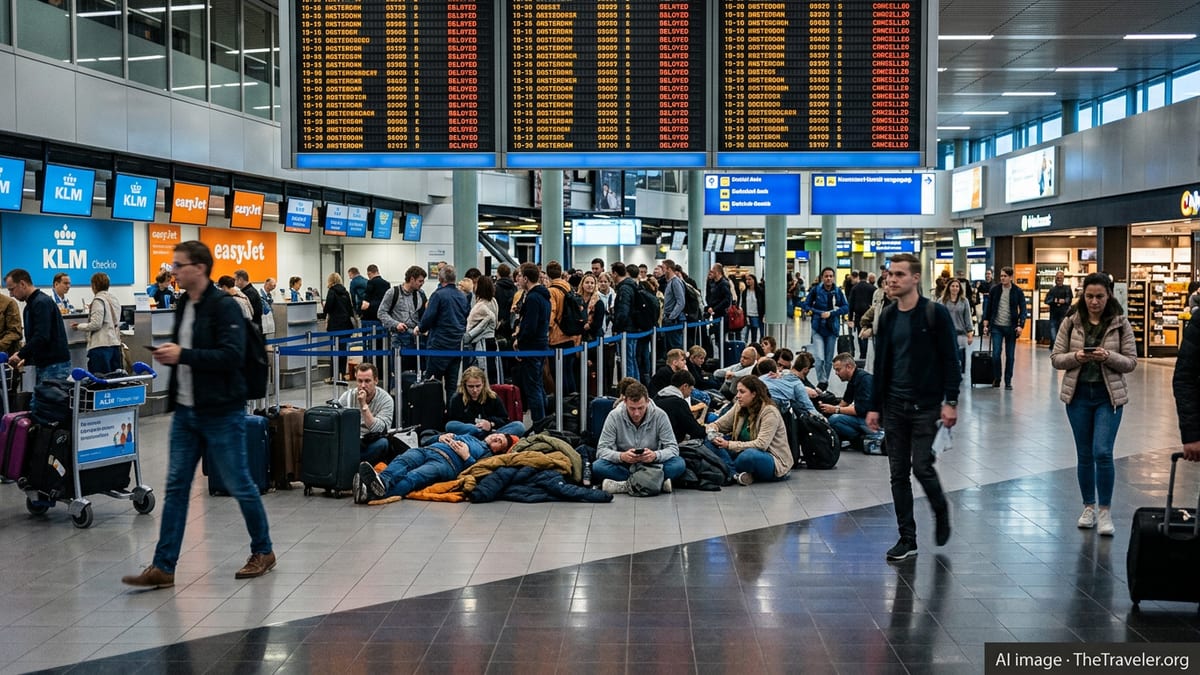
Major Hubs From Madrid to Istanbul Hit by Rolling Disruptions
The latest figures reflect a tightening squeeze on Europe’s biggest airports just as peak holiday traffic builds. Madrid Barajas, Rome Fiumicino, Istanbul Airport and Zurich Airport are among the hubs reporting long queues, late departures and missed connections as delays ripple through the network.
Published coverage and live aviation dashboards indicate that Spanish and Italian airports are again among the hardest hit, with Iberia and ITA Airways absorbing knock-on disruption as aircraft and crews struggle to return to schedule. In Türkiye, Turkish Airlines has faced significant rescheduling at Istanbul as late inbound services push back departure times for onward flights.
French hubs, where Air France is a key operator, remain especially vulnerable to en‑route congestion linked to air traffic management capacity over the country. Disruption there can quickly spill into the wider European network, affecting services that only overfly French airspace on their way between Spain, Italy, the UK and central Europe.
Switzerland’s Zurich Airport, a critical transfer point for European and intercontinental traffic, is also experiencing pressure from late arrivals and tight connection windows. Reports indicate that even modest delays on feeder flights are forcing some passengers onto later services, contributing to crowding at customer service desks and longer waits for rebooking.
ATC Capacity, Staffing and Weather Combine to Strain the Network
While no single cause explains the 1,379 delays and 83 cancellations, recent European aviation analyses point consistently to a mix of air traffic control capacity limits, staffing gaps and volatile weather as the main drivers. Eurocontrol briefings for late spring 2026 highlight a steady rise in air traffic flow management delays per flight, with a significant share attributed to control centers in Spain and France operating close to their limits.
These structural constraints meet an atmosphere increasingly shaped by climatic extremes. Meteorological reporting for May and early June describes unusually early and intense heat over parts of western Europe, including record May temperatures in France. Heat can trigger thunderstorms and localized convective weather, forcing aircraft onto longer routes, delaying departures, and reducing the number of flights controllers can safely handle per hour.
Network specialists note that even small disturbances now have outsized effects. When a storm cell or temporary staffing shortfall reduces capacity in one section of airspace, flights may have to wait on the ground or accept extended routings. Those initial delays then cascade into subsequent rotations, particularly for short‑haul aircraft that operate multiple sectors a day.
Publicly accessible performance dashboards also show that, although average delay minutes per flight remain below some previous crisis peaks, the distribution is uneven. Busy southern corridors into Spain, Italy and Türkiye, as well as overflight routes across France and Switzerland, are carrying a disproportionate share of delay minutes, making them more exposed when traffic spikes.
Industrial Action and Ground Handling Issues Add Another Layer of Risk
Operational fragility in the air is being compounded by disruptions on the ground. Recent coverage from Belgium described a wildcat walkout by a major ground handling provider at Brussels Airport, causing hours‑long delays and a series of affected departures. Although geographically limited, such incidents illustrate how quickly labour disputes can reverberate through airline schedules.
Travel industry reports also flag planned industrial action later in June targeting airport and handling staff in both France and Italy. While many of these strikes are announced in advance and subject to minimum‑service rules, they still require airlines to thin out schedules, consolidate flights and reassign aircraft, which can produce secondary disruption across the European network on surrounding days.
Ground operations remain a critical pressure point after the staffing cuts of the pandemic years. Baggage handling, fueling, catering and check‑in rely on closely choreographed staffing plans. When absenteeism rises or a section of the workforce halts work unexpectedly, aircraft can be left waiting for basic services even when air traffic control and weather conditions would otherwise permit on‑time departure.
Analysts warn that with many carriers operating close to maximum daily utilization of their fleets, there is little slack to absorb such shocks. A delay of 60 to 90 minutes early in the operating day can echo across multiple flights, particularly at hub airports where aircraft are scheduled to turn around quickly for onward connections.
Passenger Impact: Missed Connections, Rebookings and Compensation Questions
For travelers, the 83 flight cancellations and wide‑ranging delays translate into missed holidays, business disruptions and unexpected overnight stays. Travel forums and social media posts from the past several days describe passengers stuck in Madrid, Rome, Istanbul and Zurich after late‑running arrivals caused them to miss evening connections to secondary European cities.
Consumer advocates note that Europe’s air passenger rights framework, often referred to under the EU261 rules, can offer compensation in some situations where passengers arrive significantly late and the disruption is within an airline’s control. However, weather‑related restrictions, air traffic control capacity limits and strikes outside the airline’s own workforce may fall into categories where compensation is reduced or not applicable, even though carriers must still provide care such as meals and hotel rooms during long waits.
Published guidance from regulators and traveler organizations emphasizes the importance of keeping documentation, including boarding passes, delay notifications and any written explanation of the cause. The distinction between an airline‑controllable technical or staffing issue and an external constraint like a ground stop or ATC flow restriction can be critical for later claims.
With major carriers such as Air France, Turkish Airlines, ITA Airways and Iberia operating dense connecting networks, missed onward flights may also trigger complex rebookings. Some passengers are being rerouted through alternative hubs in Germany, the Netherlands or the UK, while others are facing multi‑stop itineraries or departures the following day when seats on direct services are no longer available.
Outlook for Summer 2026: Strong Demand, Thin Margins for Error
Industry outlooks for summer 2026 depict a European aviation system entering the peak season with strong demand but little operational breathing room. Forecasts collated by Eurocontrol show total traffic continuing to edge higher compared with last year, even as airlines trim some planned capacity in an effort to keep schedules manageable.
Analysts argue that the pattern seen in the latest disruption 1,379 delays and 83 cancellations on one day across Europe is consistent with a network operating near its limits. When traffic climbs toward mid‑summer peaks and additional challenges such as local storms, fuel supply constraints or further industrial actions arise, the potential for larger waves of disruption increases.
Travel industry commentary is urging passengers to build extra time into itineraries, particularly when connecting through congested hubs like Madrid, Rome, Paris, Istanbul, Zurich and Brussels. Morning departures, longer connection windows and flexible tickets that can be changed without heavy penalties are being highlighted as ways to reduce the risk of being stranded.
For now, publicly reported data suggests that Europe’s aviation system is still moving large numbers of people each day, but with thinner margins for error than before the pandemic. The latest spike in delays and cancellations serves as a warning for the weeks ahead: as temperatures and passenger numbers rise, so too does the vulnerability of Europe’s busy summer skies.