


More news on this day
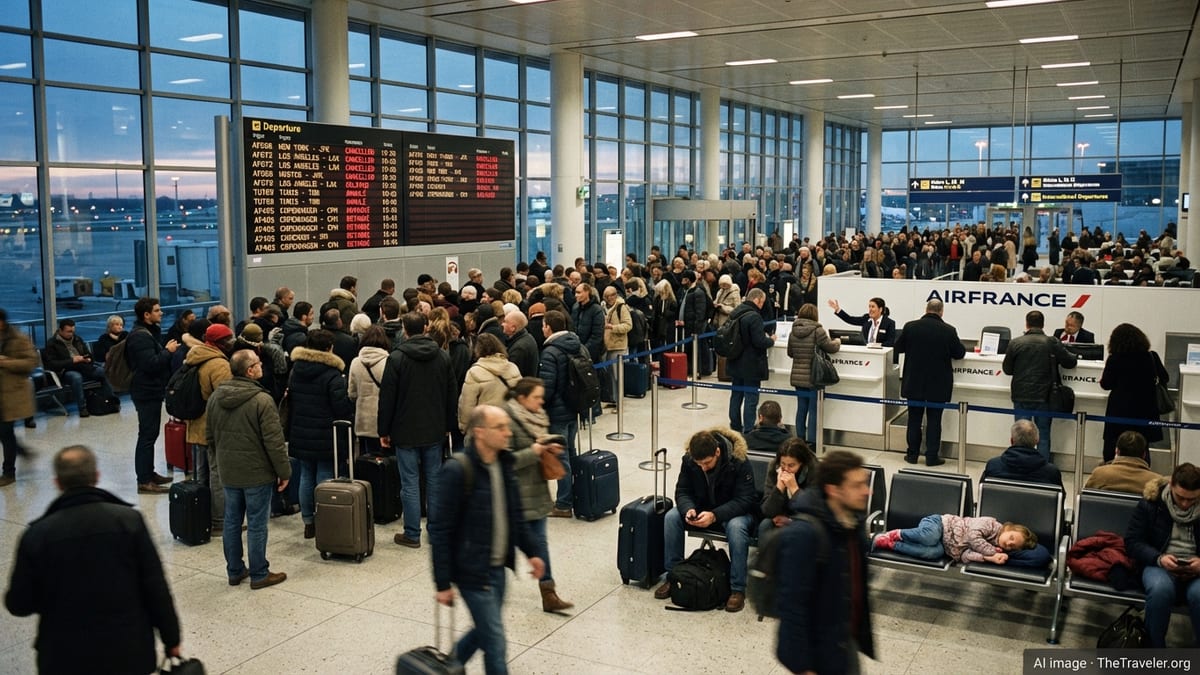
Passengers traveling through Lima’s Jorge Chávez International Airport on May 10 faced extensive disruption as multiple airlines abruptly cancelled services linking Peru with key cities across the Americas, leaving hundreds stranded and scrambling to rebook.
Get the latest news straight to your inbox!
Multiple Airlines Hit as Operations Disrupt
Publicly available flight-tracking data and schedule information for May 10 indicate a wave of cancellations and disrupted services affecting operations at Jorge Chávez International Airport, Peru’s main international gateway. Flights marketed or operated by LATAM Airlines, Copa Airlines, Air Canada and regional carrier Sky Airline show a higher-than-usual number of irregular operations across both domestic and international routes.
The disruptions appear concentrated on connections between Lima and major hubs including Toronto, Santiago, Panama City, São Paulo, Cusco and Arequipa, along with several additional regional destinations. Aviation schedule databases list at least nine affected departures and arrivals tied to these routes, with some services removed from live boards and others displayed as cancelled or significantly delayed.
Operational alerts issued by airlines in recent weeks have already warned of the potential for irregular operations as carriers adjust schedules around the new terminal complex at Jorge Chávez and broader network constraints. The pattern visible on May 10 suggests that these pressures are now converging into a measurable reduction in available seats and frequencies on some of the airport’s busiest corridors.
While Jorge Chávez remains open, the clustering of cancellations among several major carriers on the same day has created what travelers describe in public forums as widespread confusion, long queues at customer-service desks and heightened uncertainty about onward connections across South and North America.
Key Routes to Canada, Chile, Brazil and Panama Affected
Among the most visible impacts are services linking Lima with Toronto, Santiago, São Paulo and Panama City, routes that underpin Peru’s connectivity with Canada, the Southern Cone and Central America. Flight listings show gaps or cancellations around planned operations on some of these sectors, leading to broken itineraries for travelers who had relied on Lima as a regional hub.
For Canada-bound passengers, disruptions involving Air Canada and codeshare partners have complicated access to Toronto, a key long-haul gateway. Travelers connecting from domestic Peruvian cities such as Cusco and Arequipa now face the possibility of overnight stays in Lima or complete itinerary changes when their Lima–Toronto legs are withdrawn from the schedule at short notice.
In the Southern Cone, services to Santiago and São Paulo, historically among Jorge Chávez’s highest-volume international city pairs, have also seen selective cancellations. These flights are central to both business and leisure travel in the region, and any sustained reduction in frequencies can ripple across airline networks, affecting connections to secondary cities in Chile, Brazil and neighboring countries.
Copa Airlines, which uses Panama City’s Tocumen International Airport as a hub for North and Central American connections, features among the carriers with irregular Lima operations. When links between Lima and Panama City are disrupted, passengers headed to destinations such as Mexico, the Caribbean or the United States via Panama can find themselves stranded mid-journey, often requiring complete rerouting.
Domestic Links to Cusco and Arequipa Disrupted
The fallout is not limited to international travelers. Domestic routes from Lima to Cusco and Arequipa, both critical for Peru’s tourism and regional business activity, have seen a pattern of cancellations and altered schedules reported across recent months, now compounded by the latest wave of disruption.
Transport and tourism industry groups in southern Peru have previously raised concerns about recurring flight cancellations on routes serving Arequipa and Cusco, arguing that repeated interruptions undermine the reliability of air travel for local residents, tour operators and exporters. The latest reduction in services at Jorge Chávez reinforces those worries, as Lima functions as the primary connection point for nearly all long-distance journeys within the country.
For visitors planning trips to Machu Picchu or the Colca Canyon, the sudden loss of Lima–Cusco or Lima–Arequipa flights can derail carefully timed itineraries involving trains, buses and guided tours. Travelers sharing their experiences in online forums describe missed connections, unexpected hotel costs and the need to rebook tours at short notice when their domestic legs are cancelled or significantly delayed.
Airline statements and customer guidance published over recent years for similar events advise passengers on affected domestic routes to regularly check their booking status, make use of mobile apps where available and consider additional buffer time in Lima when planning tight connections to or from Peru’s southern regions.
New Terminal Transition and Network Pressures
The disruptions come as Lima continues to navigate a significant transition in airport infrastructure. Jorge Chávez International Airport is in the midst of commissioning a new terminal complex, a process that published material from airport partners and airlines notes may introduce short-term operational challenges as systems and procedures are phased in.
Carriers with substantial operations in Lima, including LATAM and Copa, have previously circulated passenger information explaining that early phases of the new terminal opening could lead to schedule adjustments, altered gate assignments and occasional irregular operations. Guidance generally recommends arriving earlier than usual and monitoring flight status closely during the transition period.
Beyond infrastructure, airlines serving Lima face broader network pressures familiar across the global aviation sector in 2025 and 2026. These include tight aircraft and crew availability, regulatory duty-time limits, and sensitivities to weather and air-traffic control restrictions along complex multi-leg routings. When several of these factors converge on the same operating day, carriers may preemptively trim frequencies or consolidate flights, resulting in clusters of cancellations such as those observed on key Jorge Chávez routes.
Industry analysts tracking the Latin American market have highlighted Peru’s reliance on a relatively small number of hub airports and dominant carriers. In such a concentrated environment, disruptions affecting just a handful of airlines at a single hub can quickly cascade across the wider region, particularly for passengers traveling on multi-stop itineraries.
What Stranded Passengers Can Do Now
For travelers already stranded in Lima or at outstations such as Toronto, Santiago, São Paulo, Panama City, Cusco or Arequipa, publicly available guidance from airlines and regulators outlines several immediate steps. Passengers are advised to verify their flight’s current status through official airline channels, request written confirmation of cancellations and explore rerouting options on later flights or partner carriers where available.
Airlines that cancel or significantly delay services often publish temporary rebooking and refund policies on their websites, including fee waivers, travel vouchers or alternative routing at no additional fare. The specific remedies vary by carrier, ticket type and jurisdiction, so passengers are encouraged to review the terms associated with their booking and, where possible, document all communications and expenses related to the disruption.
Consumer information produced by aviation regulators and passenger-rights organizations suggests that affected travelers keep receipts for meals, accommodation and transport incurred as a direct result of cancellations. In some cases, these costs may be partially recoverable through airline policies or travel insurance, depending on the cause of disruption and the coverage purchased.
As operations at Jorge Chávez stabilize in the days ahead, schedule data will provide a clearer picture of whether the May 10 cancellations represent a short-lived spike linked to the terminal transition and network constraints, or the beginning of a more prolonged period of reduced connectivity on some of Peru’s most important air corridors.