


More news on this day
Travellers across Europe faced widespread disruption on Friday, June 26, as airports in the Netherlands, Portugal, the United Kingdom and several other countries reported dozens of flight delays and cancellations affecting major carriers including easyJet, British Airways and KLM, with knock-on impacts for routes linking London, Vienna and other key cities.
Get the latest news straight to your inbox!
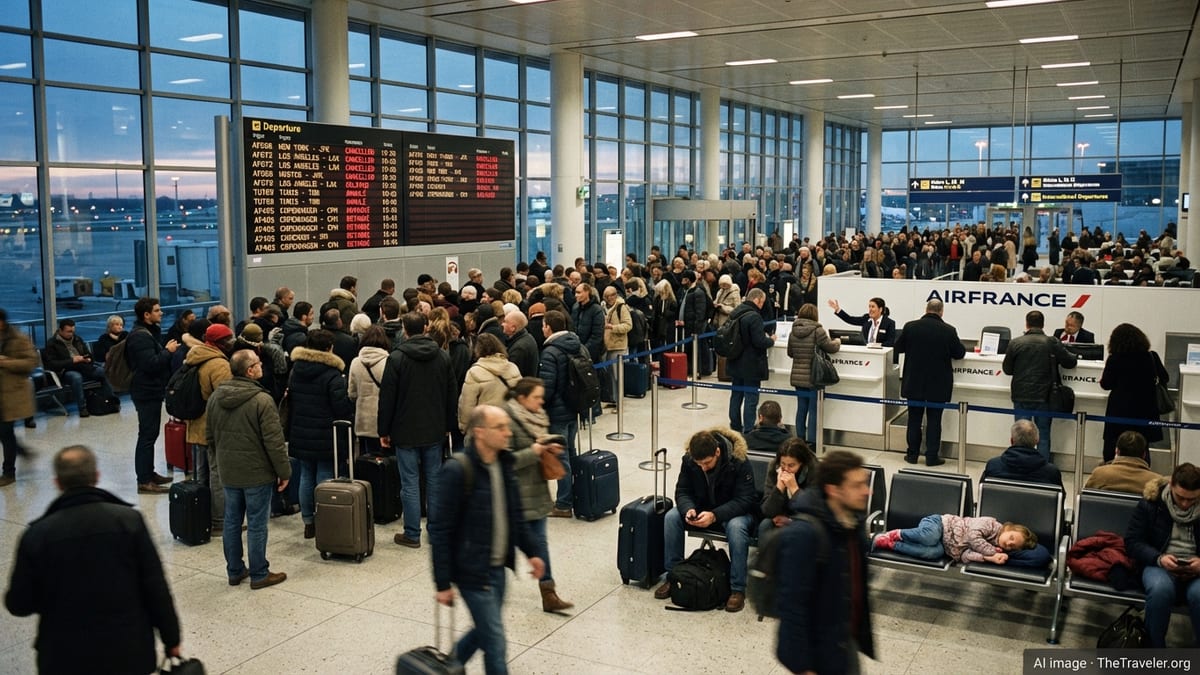
Wave of delays and cancellations across key European hubs
Publicly available operational data and aviation tracking platforms indicate that at least 88 flights were delayed and 34 were cancelled across several European airports on June 26, concentrating disruption in the Netherlands, Portugal and the UK. The pattern reflects another day of strained summer operations at some of the region’s busiest hubs.
Amsterdam Schiphol in the Netherlands was among the hardest hit, with industry reporting showing that more than a dozen flights were cancelled and several dozen delayed, affecting KLM, easyJet and a mix of transatlantic and intra-European carriers. Services to and from major cities such as London, Paris, Frankfurt, New York and Dubai were among those impacted, compounding congestion across connecting networks.
In the UK, disruption rippled through London’s principal airports and a number of regional gateways. Data compiled by passenger-rights platforms for the days leading into June 26 already showed hundreds of delayed and cancelled flights at Heathrow, Gatwick, Edinburgh and Newcastle, and reports indicate that pressure remained elevated on Friday as airlines struggled to recover aircraft and crew rotations.
Portugal also reported notable operational strain, with delays at Lisbon and other airports feeding into the broader European network. Flights between Portugal and northern Europe, including services to the Netherlands and the UK, experienced schedule changes that added to missed connections and extended travel times for holidaymakers and business travellers.
Major carriers easyJet, British Airways and KLM under pressure
The latest disruption once again placed low cost and full service airlines under intense scrutiny. easyJet, one of Europe’s largest budget carriers, is heavily exposed at London Gatwick and Amsterdam Schiphol, where earlier summer figures already showed its schedules absorbing a high volume of delays as aircraft and crews were repositioned.
British Airways continued to face operational challenges on key European routes out of London Heathrow and Gatwick. Flight-status services for June 26 showed delayed departures on several continental services, including flights serving Vienna and Krakow, with late pushbacks in London contributing to congested arrival banks across central and eastern Europe.
KLM, which uses Amsterdam Schiphol as its primary hub, accounted for the vast majority of cancellations at the airport on Friday, according to specialist travel-industry coverage. The concentration of cancelled KLM departures and arrivals had a disproportionate impact on connecting itineraries linking the Netherlands with the UK, Portugal and other European destinations, leaving transfer passengers particularly exposed to missed onward flights.
Other carriers were also drawn into the disruption. Airlines sharing key corridors and codeshare arrangements with easyJet, British Airways and KLM saw their own schedules affected as air-traffic restrictions and airport flow controls forced operators to spread delays across the day rather than concentrate them in single waves.
London, Vienna and other cities experience knock-on disruption
London once again emerged as a focal point. With Heathrow and Gatwick operating near capacity in late June, relatively small timetable disturbances quickly translated into longer queues, slower boarding and a build-up of late-evening departures. Flight-tracking data for individual services between London and Amsterdam, London and Vienna, and London and other European cities showed departure times sliding back, at times by more than an hour.
Vienna was among the cities experiencing secondary disruption as delayed departures from London, Amsterdam and other hubs compressed arrival windows and disrupted aircraft rotations. Some Vienna-bound services operated significantly late, while others were cancelled outright, forcing passengers to be rebooked on later flights or rerouted through alternative hubs.
Across the network, cities connected through Amsterdam and London, including Paris, Frankfurt, Barcelona and Rome, also reported schedule changes. Passengers connecting between long haul routes, such as transatlantic services into Schiphol and Heathrow and onward flights to southern Europe, were particularly vulnerable as missed connections reduced the options for same-day rebooking.
The uneven pattern of delays created operational challenges for airports as well. Check-in and security areas saw intermittent surges of passengers as flights were retimed, while arrival halls fluctuated between quiet periods and sudden peaks, complicating baggage handling and ground transportation planning.
Weather, air-traffic capacity and summer demand among likely drivers
While no single cause has been identified for the June 26 disruptions, recent analyses by passenger-rights organizations and aviation data providers point to a combination of factors driving this phase of travel chaos across Europe. Intermittent adverse weather in parts of the UK and continental Europe has periodically reduced airport arrival and departure rates, creating backlogs that can take hours to unwind.
At the same time, Europe’s air traffic management system remains under strain as summer schedules ramp up. Capacity constraints in some airspace sectors and air-traffic control staffing challenges have resulted in flow restrictions and minor route changes that lengthen flight times. When combined with tight aircraft utilization by airlines seeking to maximize peak-season demand, even modest delays early in the day can cascade into widespread disruption by evening.
Operational issues at individual airlines also appear to be contributing. Previous incidents across the 2026 season have highlighted how crew availability, maintenance scheduling and aircraft delivery delays can reduce the resilience of carrier timetables. In this context, the latest wave of disruptions affecting easyJet, British Airways, KLM and others fits a broader pattern of fragile summer operations rather than an isolated event.
Industry observers note that the clustering of delays and cancellations at major hubs such as Amsterdam Schiphol and London-area airports reflects the vulnerability of hub-and-spoke networks. When a hub is constrained, a wide range of destinations, including secondary cities like Vienna, can quickly feel the impact through missed connections and aircraft imbalances.
What stranded passengers can expect under European air travel rules
The timing of the latest disruption, at the start of Europe’s peak summer holiday period, has intensified concerns for travellers. Passenger-advocacy groups highlight that under European and UK air travel regulations, including EU Regulation EC261 and its UK counterpart, many passengers affected by significant delays or cancellations may be entitled to assistance, rerouting or compensation, depending on the circumstances.
In practice, this often means that airlines must provide duty of care, such as meals and accommodation, when passengers are stranded overnight, and offer the choice between rebooking and refunds where flights are cancelled. However, recent experience suggests that high call volumes, limited staff at airport service desks and technical issues with online rebooking tools can make it difficult for passengers to exercise these rights quickly.
Travel commentators advise that the uneven nature of the current disruption, affecting both low cost and full service carriers at hubs across the Netherlands, Portugal and the UK, may increase pressure on airlines and airports in the days ahead. As aircraft and crews are repositioned and backlogs of displaced passengers are cleared, further timetable adjustments are possible over the weekend.
With forecasts pointing to continued strong demand across European routes, the events of June 26 serve as another reminder of the fragility of the continent’s air travel system in peak season, and the importance for passengers of monitoring flight information closely when travelling through hub airports such as Amsterdam, London and Vienna.