


More news on this day
Brooklyn is rapidly emerging as a gateway to one of travel’s fastest growing niches, as cities worldwide compete to attract a new wave of visitors arriving by bike instead of by tour bus.
Get the latest news straight to your inbox!
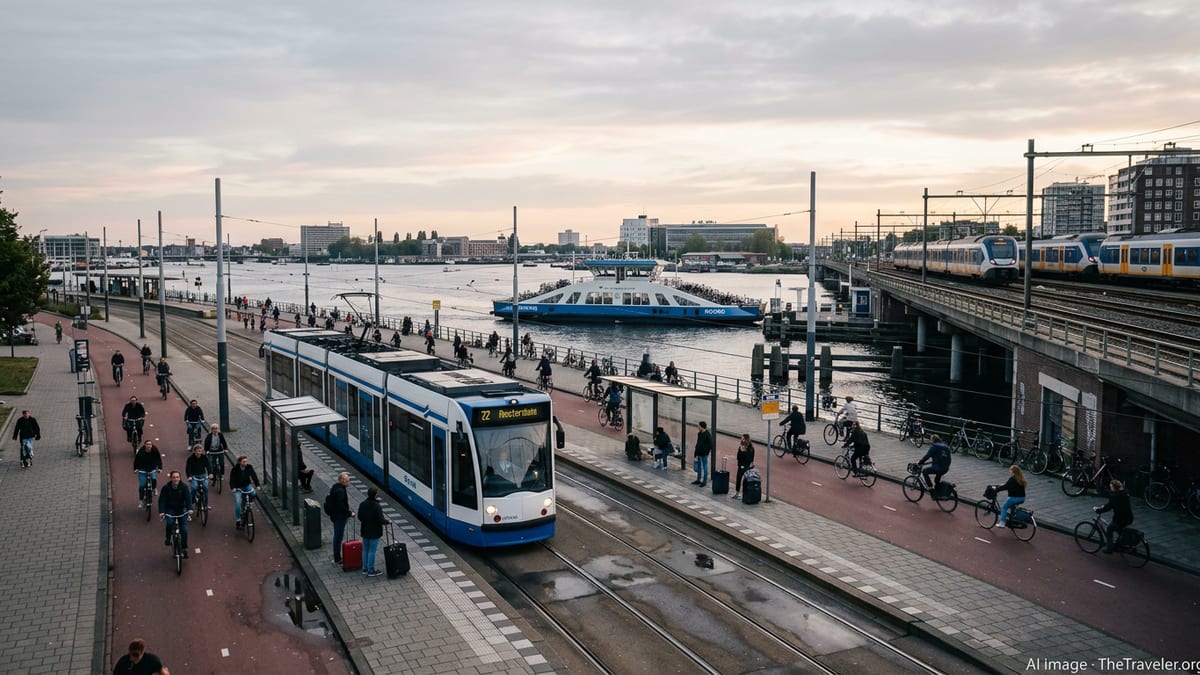
Brooklyn Turns Everyday Cycling Into a Visitor Draw
In New York City, recent planning documents and traffic data point to Brooklyn as a focal point of the city’s cycling surge, with new protected lanes along key corridors and expanded access to the borough’s waterfront greenways. Publicly available information shows that the city’s latest streets plan update calls for dozens of additional miles of protected bike infrastructure, much of it linking Brooklyn neighborhoods to bridges and parks that are already popular with visitors.
Those upgrades are arriving as cycling counts over the city’s East River bridges continue to hit record levels season after season, indicating that both commuters and visitors are shifting to bikes for cross-river trips. The dedicated cycling path on the Brooklyn Bridge, combined with traffic-calmed streets on the Brooklyn side, has turned a once daunting crossing into an accessible route for casual riders and bike tour operators.
Brooklyn tourism businesses are responding by expanding rental fleets, adding e-bikes tailored to first-time visitors and offering more neighborhood-focused rides through areas like Williamsburg, DUMBO and Red Hook. Industry reports indicate that these local itineraries, which emphasize food, waterfront views and street art rather than long-distance mileage, align closely with broader demand for slower, more immersive urban travel experiences.
At the borough level, a recent comprehensive planning effort highlights cycling as part of a wider strategy to open up the Brooklyn waterfront, improve park connections and reduce congestion. The same documents outline goals to promote cycling skills and safety, suggesting that visitors and residents are likely to share a network that is continually being upgraded and actively promoted.
Global Bicycle Tourism Market Accelerates
The rise of Brooklyn’s bike tourism scene is playing out against a much larger global shift. Multiple market research firms now estimate the worldwide cycling tourism sector in the tens of billions of dollars annually, with forecasts pointing to double-digit compound annual growth through the next decade. Analysts link that expansion to a combination of post-pandemic interest in outdoor recreation, climate-conscious travel choices and the rapid spread of e-bike technology.
Recent industry outlooks describe cycle tourism as one of the most dynamic corners of the broader adventure travel market, encompassing guided city tours, multi-day regional routes, bike-share based itineraries and organized events. Demand is especially strong for trips that combine cycling with gastronomy, culture and access to nature, rather than purely performance-oriented riding.
Technology is also reshaping how visitors experience cities by bike. Reports highlight GPS navigation, route-planning apps and integrated performance-tracking tools as key drivers of growth, lowering the barrier for first-time visitors to explore unfamiliar streets on two wheels. E-bikes, in particular, are cited as an important factor in opening hilly cities and longer distances to riders who might otherwise rely on taxis or public transport.
On the supply side, operators are diversifying product lines to include self-guided packages, luggage transfers between hotels and flexible rentals that can be booked at short notice. As more cities build continuous bike networks, these services can stitch together multiple neighborhoods and attractions, effectively turning the urban grid itself into a tourism asset.
Copenhagen and Ghent Showcase European Models
In Europe, several cities are pairing mature cycling cultures with new tourism-focused initiatives that signal where the market may be headed. Copenhagen, long known for its extensive bike lanes and high share of everyday trips by bicycle, recently launched a pilot rewards scheme that grants visitors coffee, food or museum benefits when they document eco-friendly behavior such as cycling or litter collection. Coverage of the program indicates that it is explicitly framed as a way to attract “positive impact” visitors in response to mounting concerns over overtourism elsewhere in Europe.
Belgian city Ghent is positioning its dense cycling network as both a mobility backbone and a tourism showcase. The city hosted a major international cycling conference in 2024, drawing researchers, advocates and industry representatives to experience more than 500 kilometers of cycling infrastructure and dozens of bike-friendly bridges and underpasses. Event reports emphasize how Ghent’s car-light city center and continuous routes encourage visitors to move between attractions entirely by bike.
At the policy level, the European Union’s newly adopted declaration on cycling identifies bike tourism as a strategic opportunity, linking it to goals around decarbonization, regional connectivity and rural development. Supporting documents stress the importance of multimodal connections that allow visitors to combine trains, buses and bikes, as well as standardized signage and cross-border routes that can transform cycling into a continent-spanning tourism product.
These European examples are increasingly referenced in international discussions as templates for how to manage visitor flows without overwhelming historic centers. They show how cycling infrastructure investments originally justified on commuting or safety grounds can later become a central pillar of visitor branding and economic development.
Florence, Hoboken and Berlin Bet on Everyday Riders
Beyond the usual cycling capitals, a new tier of cities is moving quickly to capture bicycle tourism by first reinforcing everyday riding habits. In Florence, a recent incentive program uses public funds to reward residents who choose bikes over cars for daily commutes, verified through a digital tracking system. Official descriptions of the scheme frame it as a way to cut emissions and congestion, but tourism analysts note that a more bike-oriented local population also creates a safer and more welcoming environment for visiting riders.
Across the Atlantic, the small but dense city of Hoboken in New Jersey has been expanding its bike-share system and associated infrastructure, recording more than a million rides across its network in a recent year. Public figures from local agencies show especially strong growth in e-bike trips and membership levels, suggesting that the system is evolving from a commuter convenience into a platform that visitors can use to explore the Hudson River waterfront and connect with nearby New York neighborhoods.
Berlin, meanwhile, is emerging as a testbed for data-driven cycling policy that could have direct implications for tourism. Recent academic work uses crowdsourced route information and counting stations to estimate bicycle volumes across the city, providing a granular view of where people actually ride. Urban mobility experts argue that such tools make it easier to prioritize new lanes and wayfinding on routes that already attract both residents and tourists, reinforcing the most popular corridors and spreading trips away from overloaded hotspots.
Together, these efforts illustrate a broader trend in which cities treat bicycle tourism as an outgrowth of successful everyday cycling culture, rather than a standalone niche. By rewarding local riders, improving connections to transit and carefully analyzing usage data, they aim to make bike-based exploration intuitive for visitors who may be arriving with little prior experience.
Policy Momentum and New Business Models Shape the Next Wave
As Brooklyn and its peer cities double down on cycling, new policy frameworks and business ideas are converging to shape the next phase of bicycle tourism. International declarations and national cycling strategies increasingly describe tourism as a core justification for building dense, protected bike networks and greenways. These documents portray cycling not only as a transport mode, but as an economic sector spanning hospitality, retail, equipment manufacturing and digital services.
On the ground, hospitality players are adapting quickly. Hotels are adding secure bike storage, basic repair tools and partnerships with local tour companies, while cafes and cultural venues position themselves as natural rest points along popular routes. In waterfront districts from Brooklyn to Copenhagen, property developers are highlighting direct access to bike paths as a selling point for mixed-use projects that blend residential, office and visitor accommodations.
For tour operators, the shift means designing products that emphasize flexibility and authenticity. Many are moving away from rigid, large-group itineraries toward smaller, themed rides focused on food, architecture or neighborhood history, reflecting evidence that travelers increasingly seek local context and slower pacing. The growth of e-bikes allows operators to open up longer or hillier circuits without limiting participation to experienced cyclists.
Industry observers suggest that as the global cycling tourism market grows, competition among cities will hinge less on isolated flagship routes and more on how comprehensively bikes are integrated into everyday life. In that environment, Brooklyn’s expanding grid of protected lanes, European cities’ policy commitments and emerging examples like Florence, Hoboken and Berlin together signal a broader redefinition of what it means to be a bike-friendly destination.