


More news on this day
Thousands of travelers across the United States faced another difficult day on June 10 as tracking data showed at least 91 cancellations and nearly 3,900 delays affecting flights on Delta, Southwest, Alaska, United, SkyWest, Republic and other carriers from Chicago and New York to San Diego, Houston, Charlotte, Anchorage and Orlando.
Get the latest news straight to your inbox!
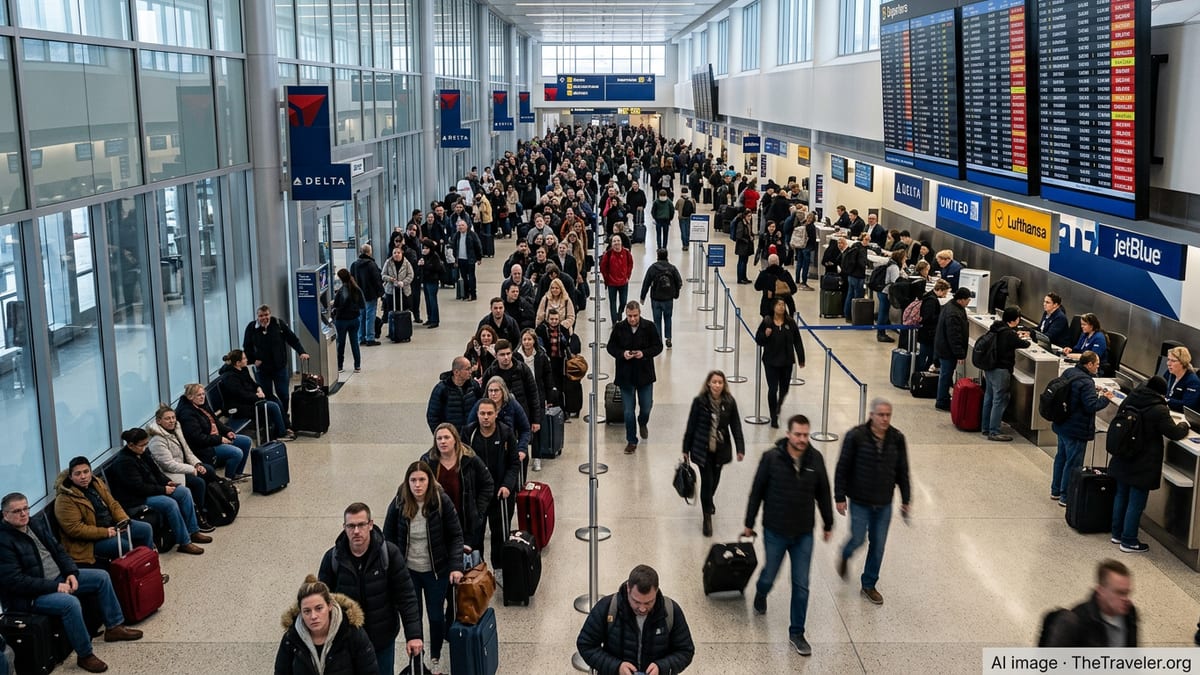
Crowded Skies and Congested Hubs Compound Disruptions
Publicly available flight tracking data for Wednesday indicates that the latest wave of disruption is concentrated at some of the country’s busiest hubs, including Chicago O’Hare and Midway, New York area airports, Orlando International, Houston George Bush Intercontinental, Charlotte Douglas, San Diego International and Anchorage’s Ted Stevens International. Those airports anchor dense domestic networks, which means a delay at one gate can ripple quickly through dozens of subsequent departures.
Operational records reviewed for the afternoon period show that Chicago in particular remains a pressure point, with rolling delays tying up departures to and from the East Coast, the West Coast and the Sun Belt. When aircraft and crews scheduled to move through O’Hare or Midway run late, onward flights to smaller regional cities can be pushed back or canceled entirely, stranding passengers who rely on just one or two daily connections.
New York and Orlando are also playing outsized roles in the disruption picture. High traffic volume at New York’s LaGuardia and John F. Kennedy airports has combined with intermittent weather and air traffic management programs to slow arrivals and departures, while Orlando’s heavy summer schedule leaves little slack to recover when a bank of flights falls out of position.
In Anchorage, where airlines are ramping up for peak tourism season, any disruption can be especially acute. Seasonal routes and limited daily frequencies leave travelers with fewer options when delays stretch into the evening and overnight periods.
Major and Regional Airlines Share the Burden
The latest counts show the impact spread across both mainline and regional operators. Large carriers such as Delta Air Lines, United Airlines, Southwest Airlines and Alaska Airlines are all posting elevated delay totals, reflecting the dense web of connections linking hubs like Chicago, Houston, Orlando and New York. Each late arrival can translate into a late departure as aircraft are turned around and crews reset their duty clocks.
Regional partners, including SkyWest Airlines and Republic Airways, are heavily represented in cancellation figures. These carriers operate feeder flights under big brand names, connecting smaller communities to major hubs. When schedules come under stress, these thinner routes are often among the first to be cut, leaving passengers in secondary and rural markets with limited same day alternatives.
Publicly available performance data from recent months shows that regional operations already run closer to the limits of available aircraft and crew, especially during busy summer periods. As a result, a ground stop in Chicago or a thunderstorm over Charlotte can cascade quickly into multiple regional cancellations, even if weather at the smaller origin or destination airport remains clear.
Observers note that this pattern has repeated several times in early June, with the balance between mainline and regional disruption shifting from day to day depending on where storms form and where air traffic control programs are put in place to meter arrivals.
Weather, Air Traffic Constraints and Staffing Pressures
Reports from recent days indicate that fast moving storm systems across the Midwest and Southeast have been a persistent trigger for ground delays and reroutes. Thunderstorms near hubs such as Chicago, Houston and Charlotte typically force air traffic managers to slow arrivals, reduce use of certain runways and occasionally divert flights to alternate airports, all of which contribute to mounting delays.
In addition to weather, air traffic control staffing limitations continue to constrain capacity in some key corridors, particularly in already crowded East Coast airspace around New York. When controllers reduce the rate at which flights can land and depart for safety reasons, airlines must hold aircraft on the ground, adjust schedules and, at times, proactively cancel flights to prevent even greater gridlock later in the day.
Operational records and federal consumer reports from earlier in 2026 point to tight airline staffing as another contributing factor. Flight crew work hour rules limit how long pilots and flight attendants can remain on duty. When rolling delays push operations late into the evening, crews can reach their maximum allowable hours and “time out,” forcing a cancellation if reserve staff are not available at that station.
Maintenance requirements add yet another layer of complexity. Aircraft delayed on one leg may reach scheduled maintenance intervals at a different airport than planned, taking them temporarily out of service and removing a key piece of equipment from the day’s schedule.
Passengers Face Missed Connections and Overnight Stays
For travelers on the ground, the numbers translate into missed connections, disrupted vacations and extended time in terminals across the country. With 91 cancellations recorded alongside nearly 3,900 delays, the ratio of disrupted flights to grounded ones indicates that airlines are attempting to preserve as much of the schedule as possible, even if it means pushing departures back by hours.
Airport departure boards at hubs including Chicago, New York and Orlando have shown long columns of flights marked late rather than canceled, signaling that carriers are choosing to keep aircraft and crews moving where possible. While that approach helps maintain network connectivity, it also results in passengers arriving too late to make onward connections, especially when international or cruise departures are involved.
In cities such as San Diego, Houston and Charlotte, where many itineraries rely on single daily frequencies to certain destinations, a cancellation can leave travelers with few immediate rebooking options. Those who do secure seats on later flights may be forced into overnight hotel stays or long ground transfers to alternate airports.
Consumer advocates point out that this pattern of widespread delay, rather than mass cancellation, can make it harder for passengers to access certain forms of compensation or alternate transportation, because flights are technically operating even when they depart hours behind schedule.
What Travelers Can Expect in the Days Ahead
With the summer travel season building, many analysts expect operational conditions to remain tight across US airlines in the coming weeks. Schedules at Delta, Southwest, United, Alaska and their regional partners are already running near full capacity, and demand trends suggest that planes will remain heavily booked on most routes linking Chicago, New York, Orlando, Houston, Charlotte, San Diego and Anchorage.
Weather patterns typical for June, including afternoon thunderstorms in the Midwest and Southeast and convective activity along the Gulf Coast, mean that further pockets of disruption are likely even on days that begin with clear skies. When storms form over major hubs, the effects can be felt quickly at smaller outstations that rely on those airports to feed and receive aircraft.
Publicly available guidance from regulators and consumer agencies continues to emphasize the importance of checking flight status frequently, leaving additional time at the airport and being prepared for rebooking when tight connection times are involved. Flexible ticket policies and travel alerts issued earlier in the season show that airlines are prepared to adjust schedules rapidly when prolonged weather events or airspace constraints emerge.
For now, travelers passing through the hardest hit airports are being urged by airlines and airports alike to monitor departure boards, use mobile apps to receive real time updates and build extra time into itineraries, especially when connecting across different carriers or traveling to events with fixed start times.